Gerbera daisy Care (Gerbera jamesonii)

Also known as: Barberton Gerbera, Transvaal Daisy, Gerbera Daisy

About Gerbera daisy

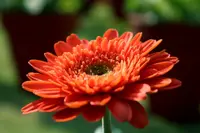
Gerbera daisy (Gerbera jamesonii) is a flowering perennial often grown as a short-lived bedding or potted plant. It forms low rosettes of lobed green leaves and sends up sturdy stems topped with large, colorful daisy-like blooms.

This species originates from South Africa and has been widely bred into many bright cultivars. It prefers bright light, moderate moisture, and well-drained soil, which helps explain how to care for Gerbera daisy in home and garden settings.

Gerbera daisies can be moderately challenging, as they dislike waterlogged roots and poor air circulation, which encourage rot. With stable conditions and good drainage, they provide long-lasting, showy flowers.

Main Plant Requirements

Care Difficulty

Moderate Care

Light Preference

Partial Sun

Water Requirements

Moderate Water

Temperature Preference

Tropical / Frost Sensitive

Hardiness Zone

9–11

Soil Texture

Sandy, Loamy, Organic-rich

Soil pH

Acidic (5.5–6.5)

Soil Drainage

Well-drained

Fertilization

Moderate (every 2–4 weeks)

Get Personalized Care Plan

Scan your plant to receive care tips personalized for your specific plant

Personalized Care in the App

Available on iOS and Android

How to Care for the Gerbera daisy

This species needs bright light to bloom well but is sensitive to harsh exposure.

  • Provide 4–6 hours of direct morning sun with light or filtered shade in the hot afternoon, especially in summer.
  • Allow light partial shade in very hot climates; too much shade causes stretched, weak stems and fewer flowers in Gerbera daisy plants.
  • Avoid intense midday sun that scorches leaves and fades blooms; use dappled shade or sheer cover, particularly from late spring through early fall.

This plant prefers evenly moist but never waterlogged soil.

  • Water when the top 2–4 cm of soil feels dry, directing water to the soil, not the central crown, to reduce rot risk.
  • Use well-drained soil or beds so excess water can escape; standing water, sour smell, or limp, yellowing leaves suggest overwatering.
  • In cooler seasons reduce frequency as drying takes longer; crisp edges and wilting in dry soil indicate the need to water Gerbera jamesonii.

This species grows best in mild, stable temperatures without frost exposure.

  • Aim for 65–75°F (18–24°C) for active growth and flowering, avoiding sudden swings of more than about 10°F (6°C) in a day.
  • Protect plants when temperatures drop near 40°F (4°C); light frost can damage foliage, and hard frost below 32°F (0°C) may kill crowns.
  • In summer, plants tolerate short periods up to about 85–90°F (29–32°C) if soil moisture is stable and roots are mulched to keep them cool.

This species benefits from moderate, steady humidity rather than very dry air.

  • Aim for 40–60% humidity to reduce flower and leaf edge browning in Gerbera daisy.
  • Plants tolerate short spells of drier air, but prolonged low humidity causes curling leaves and faded, papery petals.
  • Increase humidity by grouping pots on a pebble tray with water, avoiding direct misting of the flowers.

Soil for Gerbera jamesonii must be loose, airy, and very fast-draining to prevent root and crown rot.

  • Use a mix of 40% peat or coco coir, 40% fine bark, and 20% perlite or coarse sand for structure and aeration.
  • Target a slightly acidic pH of 5.5–6.5, which supports nutrient uptake and reduces micronutrient lockout.
  • Keep the crown just above the soil surface and avoid heavy, compacted, or clay-based substrates that hold standing water.
  • Improve drainage by raising containers slightly off saucers so excess water can escape freely.

This species is well suited to container growing when drainage and crown position are carefully managed.

  • Choose a wide, shallow pot rather than a deep one so the fibrous roots can spread while the crown stays above the rim.
  • Select a rigid, heavier container outdoors to prevent tipping when tall flower stems catch wind.
  • Use breathable materials like terra cotta if overwatering is a risk, as they allow faster evaporation from the root zone.

Consistent, light feeding supports strong flowering in Gerbera jamesonii without overloading the roots.

  • Use a balanced water-soluble fertilizer (around 10-10-10 or 20-20-20) at 1/4–1/2 strength for Gerbera daisy during active growth.
  • Feed every 2–3 weeks in spring and summer when plants are producing new leaves and buds.
  • Pause or reduce feeding to once every 6–8 weeks in fall and winter when growth slows.
  • Optionally supplement with a thin layer of fine compost or a low-dose slow-release fertilizer at the start of the growing season.

Thoughtful pruning keeps Gerbera jamesonii tidy and encourages repeat blooming.

  • Deadhead spent flowers by cutting stems at the base, ideally from spring through early fall, to encourage new bloom production.
  • Remove yellow, diseased, or damaged leaves with clean, sharp scissors or pruners to limit disease spread.
  • Thin out crowded foliage at the crown to improve air circulation and reduce fungal problems.
  • Avoid heavy cutting into healthy crowns; focus on grooming rather than reshaping the plant.

Container-grown Gerbera jamesonii benefits from occasional repotting to maintain root health and flowering.

  • Check for roots circling the pot, emerging from drainage holes, or stalled growth as signals to repot.
  • Plan repotting for early spring, every 1–2 years, just before strong new growth begins.
  • Move into a slightly larger pot with fresh, well-draining mix, keeping the crown at or just above soil level.
  • Water lightly after repotting, keep in bright but indirect light for 3–5 days, and avoid heavy feeding until recovery is clear.

Propagation of Gerbera jamesonii is usually done by division or seeds under controlled conditions.

  • Divide mature clumps in early spring, ensuring each division has at least 1–2 healthy crowns and roots attached.
  • Replant divisions into well-draining, slightly moist mix, keeping crowns level with the surface and spacing to allow airflow.
  • Sow seeds on the surface of sterile mix at 70–75°F with bright, indirect light and consistent, light moisture.
  • Avoid waterlogging young plants; provide gentle air movement to reduce damping-off and other seedling diseases.

Winter care for Gerbera jamesonii focuses on avoiding frost damage and excessive moisture around the crown.

  • In climates below 30°F, grow plants in containers and move indoors to bright, cool rooms before frost.
  • Outdoors in mild regions, apply a light, dry mulch around but not over the crown to insulate roots.
  • Reduce watering in winter, allowing the top soil to dry more deeply between waterings to prevent rot.
  • Remove mushy or blackened leaves promptly and ensure good air circulation around overwintering plants.

Care Tips

Rotate For Even Bloom

Turn the pot 90° every week so flower stems develop evenly and the plant does not lean toward the strongest light source, which keeps the crown centered and reduces the risk of top-heavy tipping.

Crown Kept Clear

Always keep the central crown slightly above the soil line and brush away any mulch or algae from this area to lower the risk of crown rot and improve air flow around new buds.

Targeted Deadheading

Remove spent flowers by cutting the stem low at the base rather than snapping it, which reduces entry points for disease and encourages the plant to direct energy into new buds.

Prevent Powdery Mildew

Space plants so leaves do not touch, water early in the day, and avoid wetting foliage to reduce the likelihood of powdery mildew, a common problem when growing Gerbera daisy in still, humid air.

Container Refresh Cycle

For potted plants kept more than one season, repot into fresh mix every 12–18 months and gently tease out congested roots to maintain vigorous growth and consistent flowering.

Common Pests and Diseases

Powdery mildew

This disease causes white, powdery patches on upper leaf surfaces, often starting on older leaves and spreading in dry, stagnant air. Symptoms include distorted new growth and reduced flowering if not managed early.

Solution

Remove heavily affected leaves, then improve airflow around the plant and avoid overhead watering. Apply a sulfur-based or potassium bicarbonate fungicide labeled for ornamentals, and keep foliage dry while maintaining moderate humidity as part of Gerbera jamesonii care.

Botrytis blight

This disease produces soft, water-soaked spots on leaves, flower stalks, and blooms that quickly develop a fuzzy gray mold. Symptoms include flower collapse and rotting of crown tissue under cool, humid conditions.

Solution

Cut off and discard all infected flowers and leaves, reduce overhead watering, and ensure strong air circulation. Keep spent flowers removed, water at soil level early in the day, and use a labeled botrytis fungicide if the problem persists under wet conditions.

Leaf miners

These insects create winding, pale tunnels inside leaves as larvae feed between leaf layers. Symptoms include thin, serpentine trails that can merge and cause premature leaf yellowing.

Solution

Remove and discard leaves showing fresh mines to break the life cycle and reduce larval numbers. Use yellow sticky traps to monitor adults and, if needed, apply a systemic insecticide or neem-based product targeted to leaf miners, following the label and avoiding application on stressed plants.

Aphids

These insects cluster on young stems, undersides of leaves, and flower buds, sucking sap and excreting sticky honeydew. Symptoms include curled or distorted new growth and possible sooty mold developing on the honeydew.

Solution

Rinse colonies off with a firm stream of water, then treat remaining insects with insecticidal soap or horticultural oil, covering leaf undersides carefully. Inspect plants weekly, isolate heavily infested specimens, and remove severely deformed buds to maintain plant vigor and reduce aphid pressure.

Crown rot (Phytophthora)

This disease affects the crown at soil level, causing dark, mushy tissue, sudden wilting, and collapse despite moist soil. Symptoms include yellowing leaves and easy separation of rotted crown tissue from healthy roots.

Solution

Discard severely affected plants, as recovery is rare once the crown is extensively rotted. For prevention, plant in very well-drained, sterile media, keep the crown just above soil level, avoid water standing around the crown, and use a phosphonate or other labeled systemic fungicide in high-risk, wet conditions.

Interesting Facts

Asteraceae flower structure

Each so-called flower is actually a composite inflorescence made of hundreds of tiny florets arranged on a flat receptacle, with outer ray florets forming the colorful “petals” and inner disk florets forming the center.

Natural South African origin

The species is native to the grasslands of South Africa, especially in Mpumalanga and Limpopo, where it grows in well-drained, often sandy soils and experiences distinct wet and dry seasons.

Foundation of modern hybrids

Most modern gerbera cultivars used in cut flower production and ornamentals trace a major part of their genetic background to crosses involving this species, making it a key parent in global breeding programs.

Botan icon

Did you know?

Gerbera jamesonii was first scientifically described in the 19th century from plants collected near Barberton in South Africa, and its formal naming helped trigger intensive breeding that later turned gerberas into one of the world’s most important commercial cut flowers by both production volume and economic value.

FAQs about Gerbera daisy

Yellowing leaves usually come from overwatering, poor drainage, or aging foliage. Check that the pot drains well, empty saucers, and let the topsoil dry slightly between waterings. Remove only fully yellow, older leaves near the base.

Grow Healthy Plants with Botan Care

Keep your plants happy and healthy with plant identification, disease detection, and easy care guidance.

Botan plant care app — identify plants on mobile

Explore More Plants