Asian Taro Plant Care (Alocasia odora)

Also known as: Giant Elephant's Ear

About Asian Taro Plant

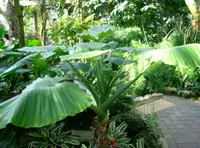
The Asian taro plant, Alocasia odora, is a tropical aroid grown for its large, upright, heart-shaped leaves and architectural form. It is often used as a bold foliage accent in gardens or as a patio and container plant in warm seasons.

In nature, it occurs in humid, subtropical to tropical regions of East and Southeast Asia, where it grows in partially shaded, moist habitats. The plant prefers bright, filtered light, consistently moist but not waterlogged soil, and warm conditions.

Its fast growth, need for steady moisture, and sensitivity to cold make it moderately demanding, especially in cooler climates or very dry indoor air. Understanding these traits helps you plan how to care for Asian Taro Plant successfully.

Main Plant Requirements

Care Difficulty

Moderate Care

Light Preference

Bright Indirect Light

Water Requirements

Keep Soil Moist

Temperature Preference

Tropical / Frost Sensitive

Hardiness Zone

8–11

Soil Texture

Loamy, Peaty, Organic-rich

Soil pH

Acidic (5.5–6.5), Slightly acidic (6.5–7.0)

Soil Drainage

Moist but well-drained

Fertilization

Moderate (every 2–4 weeks)

Get Personalized Care Plan

Scan your plant to receive care tips personalized for your specific plant

Personalized Care in the App

Available on iOS and Android

How to Care for the Asian Taro Plant

Alocasia odora prefers bright, indirect light that mimics dappled tropical shade.

  • Provide 4–6 hours of bright, filtered light each day, such as near an east window or under light tree shade outdoors for the Asian Taro Plant.
  • Tolerates partial shade, but very low light causes leggy stems, fewer new leaves, and dull color over several weeks.
  • Avoid harsh midday and afternoon sun; strong direct light can scorch leaves, so use sheer curtains or position where buildings or trees soften light, especially in summer.

Alocasia odora needs consistently moist but not waterlogged soil for healthy growth.

  • Water when the top 2–4 cm of soil feels dry; in warm growing seasons this may mean checking every few days rather than following a fixed schedule.
  • Use soil with good drainage and avoid standing water around the roots; yellowing, mushy stems or a sour smell indicate overwatering and possible root rot.
  • In cooler months, let the top layer dry a bit more and expect slower uptake; drooping, thin, or curling leaves often signal the plant stayed too dry for too long.

This species thrives in warm, stable temperatures with protection from cold and frost.

  • Ideal growing range is 68–82°F (20–28°C), where leaves expand quickly and roots stay active.
  • Growth slows below 60°F (16°C); prolonged exposure under 50°F (10°C) can cause leaf damage, and frost can kill foliage back to the rhizome.
  • In hot spells above 90°F (32°C), give extra shade and consistent moisture, and shield from hot, dry winds or heat-reflecting surfaces.

This species benefits from consistently high humidity to maintain healthy foliage.

  • Aim for 60–80% humidity; prolonged levels below 40% often cause leaf edge browning.
  • Dry indoor air leads to curling leaves, crispy margins, and stalled growth on Asian Taro Plant.
  • Increase humidity by grouping plants, using a room humidifier, or placing pots on pebble trays above, not in, water.

Alocasia odora prefers a loose, airy, organic-rich substrate that stays lightly moist but never waterlogged.

  • Use a mix of roughly 40% peat or coco coir, 30% compost, and 30% perlite or orchid bark for structure and drainage.
  • Aim for slightly acidic to neutral pH, around 6.0–7.0, which supports nutrient availability and root health.
  • Ensure water drains freely from the pot within seconds; heavy, compacted, or clay-based soils increase root rot risk.
  • Improve aeration by adding chunky bark or coarse perlite if the mix feels dense or stays wet for longer than 3–4 days.

This species is well suited to container growing when the pot supports its large, upright growth.

  • Choose a wide, heavy pot to counterbalance tall foliage and reduce tipping in wind or high-traffic areas.
  • Select a container depth that allows thick, fleshy roots to spread downward without curling at the base.
  • Use pots with multiple drainage holes so excess water exits quickly, then empty outer cachepots or saucers within 10–15 minutes.

Alocasia odora responds well to moderate, consistent feeding during active growth.

  • Use a balanced liquid fertilizer (around 10-10-10 or 20-20-20) at 1/2–1/4 strength, or a slow-release formula for containers.
  • Feed every 2–4 weeks in spring and summer when new leaves form and the Asian Taro Plant is actively growing.
  • Stop or reduce feeding to once every 6–8 weeks in fall and winter when growth slows or the plant goes semi-dormant.
  • Apply only to moist soil, never dry, to avoid fertilizer burn to the roots.

Alocasia odora needs light, maintenance pruning rather than reshaping cuts.

  • Prune in late spring or summer when the plant is actively growing and can heal quickly.
  • Remove yellowing, dead, diseased, or torn leaves at the base using clean, sharp pruners or scissors.
  • Cut back crowded or inward-facing stems to improve airflow and reduce fungal problems.
  • Avoid heavy canopy reduction; pruning mainly guides tidiness and redirects energy to healthy leaves and new growth.

Alocasia odora benefits from occasional repotting or transplanting to support its fast, fleshy root system.

  • Check for roots circling the pot, emerging from drainage holes, or stalled top growth as signs it is pot-bound.
  • Plan to move to a container 2–5 cm wider every 1–2 years in spring, just as new growth starts.
  • Handle the root ball gently, loosening only the outer circling roots and trimming any rotten or mushy sections with sterile tools.
  • Replant at the same soil level in a free-draining, rich mix, water thoroughly once, then let the plant recover in bright, indirect light.

Alocasia odora is most reliably propagated by division of its clumping rhizomes.

  • Divide in spring or early summer when repotting, once the plant has several strong stems or offsets.
  • Gently remove the plant from its pot, shake off excess soil, and separate rhizomes so each division has roots and at least 1 growing point.
  • Plant divisions in a moist, airy mix, keeping temperatures around 70–80°F and humidity above 50–60% to encourage new root growth.
  • Keep soil lightly moist, not waterlogged, and provide bright, indirect light until new leaves confirm successful establishment.

Alocasia odora is frost-sensitive and needs thoughtful winter care in most temperate climates.

  • In regions below 40°F, grow in containers and move plants indoors before the first frost, placing them in bright, indirect light.
  • Reduce watering in winter, allowing the top 3–5 cm of soil to dry to limit root rot during semi-dormancy.
  • Outdoors in mild climates, mulch the root zone with 5–10 cm of bark or leaves to insulate the rhizomes from brief cold spells.
  • If foliage is killed by cold, cut it back cleanly and keep the soil barely moist until warmer temperatures return.

Care Tips

Rotate For Symmetry

Turn the pot 90° every 1–2 weeks during active growth so petioles do not stretch in one direction and the plant keeps a balanced, upright form.

Sturdy Pot Choice

Use a wide, heavy container (ceramic or clay) to counterbalance the tall leaves and thick petioles, reducing the risk of the plant tipping over as it matures.

Support Heavy Leaves

If large leaves start to lean, add a discreet stake and soft ties around the petiole base to prevent mechanical damage where the petiole joins the corm.

Corm Health Check

When repotting, inspect the corm and roots, trimming only mushy or dark sections with a sterile blade so healthy, firm tissue remains to support vigorous regrowth.

Winter Rest Adjustment

In cooler climates, allow a partial rest period by reducing disturbance, avoiding repotting, and keeping the plant slightly drier so energy is conserved for the next growth cycle while growing Asian Taro Plant.

Common Pests and Diseases

Spider mites

This pest often appears in warm, dry indoor air and feeds on the undersides of leaves, causing fine stippling and dull, dusty-looking foliage. Symptoms include very fine webbing between petioles and leaves and gradual leaf yellowing or bronzing.

Solution

Rinse foliage thoroughly with a strong, lukewarm shower, especially the undersides of leaves, and repeat every few days for 1–2 weeks. Increase humidity, isolate the plant, and use insecticidal soap or a ready-to-use neem oil product labeled for indoor use, ensuring full coverage of both sides of the leaves and petioles.

Aphids

These insects cluster on young petioles and leaf undersides, sucking sap and causing curling, distortion, and sticky honeydew deposits. Symptoms include deformed new growth and sometimes the appearance of black sooty mold growing on the honeydew.

Solution

Physically remove colonies by rinsing the plant under a gentle but thorough stream of water, then treat with insecticidal soap, making sure to coat all tender growth. Repeat treatments weekly until no new aphids appear and avoid excess nitrogen fertiliser, which encourages soft, aphid-prone growth while following general Alocasia odora care guidelines for moderate feeding.

Rhizoctonia leaf spot

This disease causes irregular brown or tan spots that may have a yellow halo and can spread rapidly in warm, humid, crowded conditions. Symptoms include lesions that start at the leaf edge or along veins and may merge into larger dead areas.

Solution

Remove and discard affected leaves, avoid wetting the foliage, and improve spacing and airflow around the plant. Allow the top of the potting mix to dry slightly between waterings, disinfect tools, and in severe cases apply a fungicide labeled for ornamental leaf spot diseases according to the product instructions.

Pythium root rot

This disease develops in consistently waterlogged soil and leads to soft, brown roots, wilting, and collapse despite moist potting mix. Symptoms include yellowing leaves that fail to recover after watering and a sour or musty smell from the pot.

Solution

Unpot the plant, trim away all soft, brown roots, and repot into fresh, well-draining aroid mix in a pot with unrestricted drainage. Reduce watering frequency, empty saucers after 10–15 minutes, improve airflow and temperature stability, and consider a biological fungicide drench labeled for Pythium if the plant is valuable and still has firm, white roots remaining.

Bacterial leaf blight

This disease produces water-soaked, translucent patches on leaves that quickly turn brown and may ooze when very fresh, often starting at leaf edges or along mechanical wounds. Symptoms include a foul smell on severely affected tissue and rapid spread in warm, splashed conditions.

Solution

Isolate the plant, cut off all infected leaves back to healthy tissue, and discard them in the trash rather than compost. Avoid overhead watering, keep leaves dry, sterilize cutting tools with alcohol between cuts, and reduce crowding; do not reuse contaminated potting mix and do not mist heavily around the foliage while the plant recovers.

Interesting Facts

Fragrant night blooms

Unlike many aroids, this species produces a noticeable sweet fragrance from its inflorescences, most prominent at night, which helps attract nocturnal pollinators in its native habitat.

Monsoon growth strategy

In its native East and Southeast Asian range, it times its main growth flush with the warm, wet monsoon season, using its large rhizome to store energy for rapid leaf production when conditions are favorable.

Traditional edible use

In parts of Vietnam and Japan, carefully processed rhizomes and leaf stalks of this plant have been used as food, but only after thorough cooking to break down needle-like calcium oxalate crystals that are irritating and potentially harmful if eaten raw.

Botan icon

Did you know?

This species is cultivated in some rural areas of East Asia as a living rain shelter, because its large, upright leaves can channel heavy rainfall away from footpaths and planting beds, functioning almost like temporary green roofing.

FAQs about Asian Taro Plant

Yellowing leaves often result from overwatering, soggy soil, or natural aging of older foliage. Check drainage, reduce watering frequency, and remove only fully yellow, older leaves. Persistent yellowing may also signal root rot or severe nutrient imbalance.

Grow Healthy Plants with Botan Care

Keep your plants happy and healthy with plant identification, disease detection, and easy care guidance.

Botan plant care app — identify plants on mobile

Explore More Plants