Support heavy heads
Install low, discreet hoop supports or a circle of bamboo stakes and soft garden ties in early spring so forming flower heads are held upright and do not snap after heavy rain or wind.

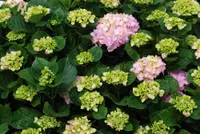
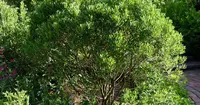
Hydrangea macrophylla, commonly called bigleaf hydrangea, is a deciduous flowering shrub valued for its large, showy flower clusters and bold foliage. It typically forms a rounded, bushy shape that fits well in mixed borders or as a stand-alone feature in gardens.
This species is native to coastal Japan, where it grows in moist, partially shaded woodland and hillside habitats. Flower color often shifts with soil conditions, which influences how easy it is to manage for specific shades.
In cultivation, it is considered moderately easy if its need for consistent moisture, protection from harsh afternoon sun, and fertile, well-drained soil is met. Understanding how to care for Hydrangea macrophylla helps maintain strong growth and reliable flowering over many seasons.

Care Difficulty
Moderate Care

Light Preference
Partial Shade

Water Requirements
Regular Water

Temperature Preference
Cool Climate

Hardiness Zone
5–9

Soil Texture
Loamy, Clay, Organic-rich

Soil pH
Strongly acidic (4.5–5.5), Acidic (5.5–6.5)

Soil Drainage
Moist but well-drained

Fertilization
Light (every 4–6 weeks)
Scan your plant to receive care tips personalized for your specific plant
Available on iOS and Android
This shrub prefers bright, gentle light that avoids intense afternoon exposure.
This species needs consistently moist but not waterlogged soil, especially in warm weather.
This shrub prefers mild temperatures and reacts poorly to extreme heat or hard frost.
This plant prefers moderate to high humidity and reacts quickly to prolonged dry air.
Hydrangea macrophylla grows best in moist, airy, organic-rich soil that drains freely but does not dry out quickly.
This species is well suited to container growing when moisture and stability are carefully managed.
Healthy growth and abundant blooms in Hydrangea macrophylla respond well to thoughtful, moderate feeding.
Pruning Hydrangea macrophylla focuses on removing old or damaged material while preserving flower buds on older wood.
Container-grown Hydrangea macrophylla and young garden plants benefit from careful transplanting to maintain vigor.
Hydrangea macrophylla is most commonly propagated from softwood or semi-ripe cuttings rather than from seed.
Cold tolerance in Hydrangea macrophylla varies by cultivar, and flower buds are often more vulnerable than roots.

Plant Health Check
Not sure what's wrong with your plant? Check your plant's health inside the app.
The showy pink or blue parts are sepals, not true petals, and their color shifts with soil pH and available aluminum ions, which alter pigment chemistry in the sepal tissues.
Many large mophead florets are sterile and act mainly as visual attractants around smaller, more fertile flowers in lacecap types, improving pollinator attention while contributing little to seed production.
This species is native to coastal Japan, but centuries of Japanese selection followed by intensive European and American breeding have produced hundreds of cultivars with different sepal shapes, bloom times, and flower forms.

In traditional Japanese horticulture, distinct wild populations of Hydrangea macrophylla on different coastal islands were historically selected and propagated separately, and modern DNA studies still detect these regional genetic lineages in many popular cultivars sold worldwide today.
Lack of flowers usually comes from pruning at the wrong time, winter bud damage, or insufficient nutrients. Old wood is often removed accidentally. Leave healthy stems after flowering and provide balanced fertilizer to support next season’s buds.
Keep your plants happy and healthy with plant identification, disease detection, and easy care guidance.