Tea plant Care (Camellia sinensis)

Also known as: Tea plant

About Tea plant

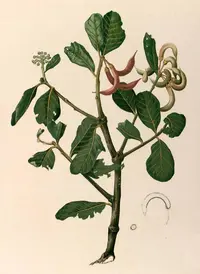
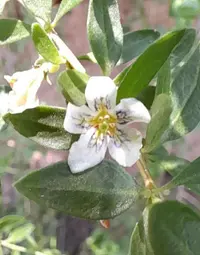
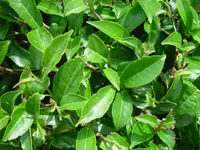
Tea plant, Camellia sinensis, is an evergreen shrub used to produce green, black, and oolong teas. It has glossy, serrated leaves and small white flowers. In nature it grows in subtropical and tropical regions of Asia, often on misty hillsides with mild temperatures. The plant prefers acidic, well-drained soil and steady moisture, which makes it somewhat demanding in dry or alkaline conditions. It grows best with bright light and protection from harsh, drying winds. With suitable climate or a controlled container setup, it is reasonably manageable for those who want to learn how to care for Tea plant.

Main Plant Requirements

Care Difficulty

Moderate Care

Light Preference

Partial Shade

Water Requirements

Keep Soil Moist

Temperature Preference

Cool Climate

Hardiness Zone

7–9

Soil Texture

Loamy, Sandy, Organic-rich

Soil pH

Strongly acidic (4.5–5.5), Acidic (5.5–6.5)

Soil Drainage

Moist but well-drained

Fertilization

Light (every 4–6 weeks)

Get Personalized Care Plan

Scan your plant to receive care tips personalized for your specific plant

Personalized Care in the App

Available on iOS and Android

How to Care for the Tea plant

Camellia sinensis prefers bright, gentle light similar to highland or woodland edges.

  • Provide 3–5 hours of direct morning sun with light shade or filtered light from late morning onward to prevent leaf scorch.
  • Allow partial shade, especially in hot climates; dappled light under taller plants or shade cloth works well for Tea plant.
  • Protect from harsh afternoon sun and deep shade; strong sun can burn new growth, while too little light causes leggy stems and sparse leaves.

Camellia sinensis prefers evenly moist, cool, well-drained soil without prolonged drying or saturation.

  • Water when the top 2–4 cm of soil feels dry, applying enough to moisten the root zone but not leave standing water.
  • Reduce frequency in cool seasons, but never let the root ball dry out completely; increase checks during hot, windy weather.
  • Watch leaves: dull, curling, or crispy edges suggest underwatering, while yellowing leaves and soft stems suggest poor drainage or overwatering.

This tea shrub thrives in mild, stable temperatures without extremes of heat or frost.

  • Aim for 65–80°F (18–27°C) during the main growing season for steady growth and good leaf quality.
  • Tolerates brief dips to about 20–25°F (-6 to -4°C) once established, but young plants are more cold-sensitive and benefit from protection.
  • In hot climates above 90°F (32°C), combine light shade and mulch to cool roots, and avoid planting in frost pockets or exposed windy sites.

This species prefers moderate humidity and reacts if air stays very dry.

  • Aim for 50–70% humidity; it tolerates brief dips lower but prolonged very dry air weakens growth.
  • Crisping leaf edges, tight leaf buds, and slow new growth suggest humidity stress in Tea plant.
  • Use a wide pebble tray with water beneath the pot or cluster plants together to raise local humidity without waterlogging.

This shrub needs slightly acidic, loose, and well-drained soil to support deep, fibrous roots.

  • Use a mix of 50–60% peat- or coir-based potting medium with 20–30% fine pine bark and 10–20% perlite for structure and aeration.
  • Target pH 5.0–6.0; blend in ericaceous compost or azalea/rhododendron mix if existing soil is more alkaline.
  • Ensure soil feels springy, not compacted; add fine bark or perlite to break up heavy clay and prevent water stagnation around roots.
  • Avoid chalky, salty, or poorly drained sites, which can cause leaf yellowing, root decline, and reduced shoot growth in Camellia sinensis.

This species adapts well to container growing when given a deep, stable pot and controlled moisture.

  • Choose a pot at least 30–40 cm deep so the strong taproot and lateral roots can extend without circling tightly.
  • Select a heavier material such as ceramic to reduce tipping risk as the woody canopy becomes taller and denser.
  • Raise the container slightly on feet or bricks so drainage holes release water quickly and roots do not sit in a sealed saucer micro-pool.

Camellia sinensis responds well to steady, light feeding rather than heavy doses.

  • Use a balanced, acid-forming fertilizer (for azaleas/camellias) or well-rotted compost in spring as growth begins.
  • Apply a diluted liquid feed (about 1/2 strength) every 4–6 weeks during the growing season, avoiding hot, dry spells.
  • Stop feeding 6–8 weeks before expected frost to allow wood to harden and reduce soft, cold-sensitive growth.
  • For container Tea plant, consider a slow-release acid-loving formula worked lightly into the topsoil once per season.

Pruning Camellia sinensis keeps plants compact, promotes dense new shoots, and maintains a healthy framework.

  • Time main pruning for late winter to early spring after the last hard frost but before strong new growth.
  • Use clean, sharp hand pruners to remove dead, damaged, crossing, or inward-growing branches at their base.
  • Shorten overly tall or leggy stems to outward-facing buds to encourage a low, bushy form suitable for leaf harvest.
  • Lightly thin crowded interior branches to improve airflow and reduce disease pressure without over-opening the canopy.

Container-grown Camellia sinensis benefits from careful, infrequent repotting to avoid root stress.

  • Check for roots circling the pot, emerging from drainage holes, or for declining vigor and dry-out within 1 day as signs to move up.
  • Aim to repot every 2–3 years in late winter or early spring, just before active growth resumes.
  • Choose 1 pot size larger with acidic, well-drained mix; gently tease circling roots and trim only lightly.
  • Water thoroughly after repotting, keep in bright shade for 7–10 days, and maintain even moisture to support recovery.

Camellia sinensis is most commonly propagated from semi-hardwood cuttings, with seeds and layering as slower alternatives.

  • Take semi-hardwood cuttings in late summer, 8–10 cm long, with 2–3 nodes and the lower leaves removed.
  • Insert cuttings into a moist, acidic, well-drained medium under high humidity and bottom heat around 70–75°F.
  • Use a rooting hormone on cut bases and provide bright, indirect light to support root initiation over several weeks.
  • Sow fresh seed in acidic mix at 65–75°F and keep evenly moist; germination may be slow and uneven.

Camellia sinensis is moderately cold hardy but benefits from some winter protection in harsher climates.

  • In regions colder than about USDA zone 7, grow in containers and move to a cool, bright, frost-free area for winter.
  • Apply 5–8 cm of organic mulch around the root zone in late fall, keeping it slightly away from the trunk.
  • Shelter outdoor plants from drying winter winds using windbreak cloth or positioning near a protected wall.
  • Avoid heavy pruning or high-nitrogen feeding late in the season so new growth can mature before freezing conditions.

Care Tips

Root-zone mulching

Apply a 5–8 cm layer of pine bark or shredded leaves around the drip line to keep roots cool, conserve moisture, and buffer soil pH for more stable growth when growing Tea plant outdoors.

Bud protection netting

Use fine insect netting or row cover over low frames during peak leaf-flush periods to reduce leaf damage from tea scale, leafhoppers, and caterpillars without relying solely on chemical controls.

Flush-harvest timing

Harvest only the tender top 2–3 leaves and bud in the early morning during active flushes, then allow 2–3 weeks of regrowth before the next picking to maintain plant vigor and leaf quality.

Structural branch training

Select 3–5 main branches and lightly tip-prune competing shoots in early spring to create an open, bowl-shaped framework that improves light penetration and air movement within the shrub.

Cold-wind shielding

In climates with cold, drying winter winds, place a breathable windbreak (such as shade cloth or slatted fencing) on the windward side to reduce leaf scorch and desiccation without trapping excess moisture.

Common Pests and Diseases

Tea mosquito bug

This pest feeds on young shoots and buds, causing bronzing, distortion, and small brown feeding lesions that reduce flush quality.

Solution

Prune and destroy heavily damaged shoot tips, avoid dense, unpruned canopies, and use yellow sticky traps to monitor activity. If needed, apply a targeted insecticide such as neem oil or a pyrethroid in the evening, ensuring thorough coverage of young shoots while protecting beneficial insects as much as possible.

Tea red spider mite

These insects are tiny sap feeders that cause fine yellow stippling, bronzing, and eventual leaf drop, especially in hot, dry weather or under low humidity indoors.

Solution

Rinse foliage with a firm stream of water, increase humidity around the plant, and remove heavily infested leaves. For persistent problems, use horticultural oil or insecticidal soap on both leaf surfaces at 5–7 day intervals until new growth appears clean.

Tea blister blight

This disease forms small, pale, blister-like lesions on young leaves that later turn white or brown and can deform or stunt new growth.

Solution

Remove and discard affected young leaves and flushes, keeping the plant pruned to improve light and airflow through the canopy. Avoid overhead watering, especially late in the day, and in high-disease areas consider preventive fungicide sprays labeled for leaf blights on camellias, applied at the start of a new flush.

Grey blight

This disease produces irregular grey to brown spots with darker borders on mature leaves, leading to premature leaf drop and thinning of the canopy.

Solution

Collect and dispose of fallen or spotted leaves to reduce inoculum, and thin dense branches to improve airflow. Avoid wetting foliage and, in repeatedly affected plants, use a protectant fungicide labeled for leaf spot diseases, applied according to label directions during warm, humid periods.

Tea green leafhopper

This pest feeds on the underside of young leaves, causing pale speckling, leaf curl, and reduced shoot vigor, often more noticeable on tender flushes used for harvesting.

Solution

Regularly inspect the undersides of young leaves and remove heavily infested shoots. Encourage natural predators, avoid unnecessary broad-spectrum insecticides, and if needed apply insecticidal soap or a systemic product labeled for leafhoppers, focusing on the newest growth and following standard Tea plant care instructions for good vigor.

Interesting Facts

Single species, many teas

Black, green, oolong, and white teas all come from Camellia sinensis; processing method and leaf maturity, not different species, create these distinct tea types.

Shade alters chemistry

Growing plants under partial shade can increase certain amino acids like theanine, which contribute to a sweeter, umami taste in high-grade teas.

Caffeine as defense

The leaves naturally contain caffeine, which acts as a chemical defense against insects and herbivores while also contributing to tea’s stimulating effect in humans.

Botan icon

Did you know?

Domestication and cultivation of Camellia sinensis in China date back several thousand years, making it one of the oldest continuously cultivated woody crops and a foundation of long-standing tea cultures across Asia.

FAQs about Tea plant

Yellowing usually results from waterlogged soil, poor drainage, or alkaline conditions, sometimes combined with low nutrients. Check pot drainage, reduce watering frequency, and use slightly acidic, well-aerated substrate. Correcting soil conditions typically restores greener new growth.

Grow Healthy Plants with Botan Care

Keep your plants happy and healthy with plant identification, disease detection, and easy care guidance.

Botan plant care app — identify plants on mobile

Explore More Plants