Parrot's flower Care (Heliconia psittacorum)

Also known as: Parrot's Beak, Parrot's Flower, Parrot's Plantain, False Bird-of-Paradise, Golden Torch

About Parrot's flower

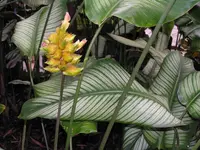
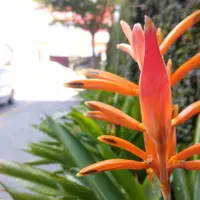
Parrot's flower (Heliconia psittacorum) is a tropical perennial grown mainly for its upright clumps of narrow leaves and striking, bird‑like flower spikes. The flowers are typically orange, red, or yellow with contrasting bracts that stand above the foliage and give a strong architectural look.

This species is native to tropical regions of South America and the Caribbean, where it grows in warm, humid, frost‑free environments. It prefers bright light, consistent moisture, and rich, well‑drained soil, which influences how easy it is to care for Parrot's flower in home gardens or containers. In suitable conditions it is moderately easy to grow, but it reacts poorly to cold, low light, or very dry air.

Main Plant Requirements

Care Difficulty

Moderate Care

Light Preference

Partial Sun

Water Requirements

Keep Soil Moist

Temperature Preference

Tropical / Frost Sensitive

Hardiness Zone

10–13

Soil Texture

Loamy, Silty, Organic-rich

Soil pH

Acidic (5.5–6.5), Slightly acidic (6.5–7.0)

Soil Drainage

Moist but well-drained

Fertilization

Moderate (every 2–4 weeks)

Get Personalized Care Plan

Scan your plant to receive care tips personalized for your specific plant

Personalized Care in the App

Available on iOS and Android

How to Care for the Parrot's flower

Heliconia psittacorum needs strong light to flower well and maintain sturdy growth outdoors in warm climates.

  • Provide 6–8 hours of sun daily, with morning sun and light afternoon shade; intense summer sun from 1–4 p.m. can scorch leaves in hot regions.
  • Plant in a spot with filtered or dappled light under high tree canopies if full sun is harsh; Parrot's flower still blooms if it receives bright conditions most of the day.
  • In cooler or overcast seasons, choose the brightest available southern or western exposure; pale leaves, lanky stems, and weak flowering indicate insufficient light.

This species prefers evenly moist, well-drained soil and reacts quickly to both drought and saturation.

  • Water when the top 2–4 cm of soil feels slightly dry, aiming to keep the root zone moist but never waterlogged, especially in clay-rich ground.
  • Use soil rich in organic matter with good drainage; persistent puddling, sour smell, or yellowing lower leaves with soft stems suggests overwatering or poor drainage.
  • In hot, active growth periods, expect more frequent watering, while in cooler months allow the top layer to dry more; crisp leaf edges, curling, and slowed growth indicate underwatering.

Stable warmth is essential for this tropical plant to grow and flower reliably.

  • Aim for 70–85°F (21–29°C) for active growth; short spikes to 90°F (32°C) are tolerated if soil moisture is maintained and roots are mulched.
  • Protect the plant whenever temperatures drop near 55°F (13°C); growth slows below this, and chill damage appears as dark, water-soaked patches on leaves.
  • Avoid any frost, as tissue is usually damaged at 32°F (0°C) or slightly above; in regions with cool winters, treat it as a warm-season plant or lift and protect rhizomes.

This tropical species benefits from consistently high humidity for best growth.

  • Aim for 60–80% humidity to keep foliage lush and reduce leaf edge browning.
  • It tolerates brief dips to 40–50%, but prolonged dry air causes curled leaves and crispy tips, especially on Parrot's flower.
  • Increase humidity with grouped plants, a pebble tray under the pot, or a room humidifier placed nearby.

This plant needs moist, well-aerated, organically rich soil to support fast growth and rhizome health.

  • Use a loamy mix built from roughly 50% peat or coco coir, 30–40% compost, and 10–20% perlite or coarse sand for structure and drainage.
  • Aim for slightly acidic to neutral pH (6.0–7.0) to support nutrient uptake in Heliconia psittacorum.
  • Ensure water drains freely within seconds; water should never pool on the surface or sit in the saucer.
  • Improve aeration by avoiding compaction, using chunky organic matter, and gently loosening the top 2–3 cm if it crusts.

This species adapts well to container growing when given a stable, spacious pot.

  • Choose a wide, heavy container to counterbalance tall flowering stems and prevent tipping in wind.
  • Select a pot depth that allows at least 20–30 cm of root and rhizome spread so clumps can expand without crowding.
  • Use thicker-walled clay or ceramic if outdoor, which moderates temperature swings and slows rapid moisture loss from the root zone.

Heliconia psittacorum responds well to consistent, moderate feeding during its warm growing season.

  • Use a balanced, slow-release fertilizer (around 10-10-10 or 14-14-14) or well-rotted compost mixed into the topsoil.
  • Feed every 4–6 weeks in spring and summer, when Parrot's flower is actively growing.
  • Apply liquid feeds at 1/2 the label strength to avoid root burn, especially in containers.
  • Reduce feeding to 1 light application in fall and stop during cool, semi-dormant winter conditions.

Heliconia psittacorum benefits from light, targeted pruning to maintain vigor and tidy clumps.

  • Best timing is late winter to early spring, before strong new growth starts.
  • Cut dead, diseased, or storm-damaged stems at ground level using clean, sharp pruners.
  • Remove old, spent flowering stalks to direct energy into new shoots and future blooms.
  • Thin crowded stems by taking out the weakest canes, which improves air flow and reduces fungal issues.

Container-grown Heliconia psittacorum occasionally needs repotting or transplanting to support strong rhizome growth.

  • Check for roots circling the pot, pushing out of drainage holes, or slow, weak growth as signals to move up.
  • Plan to repot every 2–3 years in late spring, once night temperatures stay consistently above 60°F.
  • Slip the plant out gently, loosen circling roots, and trim only damaged ones to limit transplant shock.
  • Replant in a container 1–2 in wider, using fresh, rich, well-drained mix, then keep evenly moist and shaded for 1–2 weeks.

Heliconia psittacorum is most reliably propagated by division of its rhizomes.

  • Divide established clumps in late spring or early summer, when active growth has started.
  • Lift the clump and cut sections with at least 1–2 healthy shoots and several living roots each.
  • Replant divisions at the same depth in warm, moist, well-drained soil with bright, filtered light.
  • Keep humidity high and soil evenly damp, not waterlogged, until new leaves emerge and growth strengthens.

This tropical species is frost-sensitive and needs careful winter management outside warm climates.

  • In USDA zones below 10, grow in containers so plants can be moved indoors before nights drop below 50°F.
  • For in-ground clumps in mild areas, apply a 5–8 cm mulch over the root zone to insulate rhizomes.
  • If light frost is expected, cover foliage with breathable fabric and remove it once temperatures rise.
  • Indoors, provide bright light, reduce watering, and avoid cold drafts during the coolest months.

Care Tips

Rhizome Division

Divide clumps every 2–3 years by cutting and replanting healthy rhizome sections with at least 2–3 shoots to maintain vigor and control size.

Staking Flower Stems

Install discreet bamboo or fiberglass stakes and loosely tie taller flowering stems to prevent snapping in wind or under the weight of blooms.

Mulch For Root Health

Apply a 5–8 cm layer of coarse organic mulch around, but not touching, the stems to keep roots cool, reduce moisture swings, and limit weed competition.

Cold Season Protection

In marginal climates, add extra mulch over the root zone and use frost cloth on cold nights to protect the rhizomes and ensure reliable regrowth.

Container Rotation

For container plants, rotate the pot 90° every 1–2 weeks to encourage even, upright growth and balanced flowering when growing Parrot's flower.

Common Pests and Diseases

Heliconia rust

This disease causes yellow to brown speckling and powdery orange-brown pustules on the underside of leaves, often leading to premature leaf drop and reduced flowering. Symptoms include weaker clumps and poor ornamental quality over time.

Solution

Remove and dispose of heavily infected leaves to reduce spore spread, then improve spacing and airflow around plants and avoid wetting foliage when watering. In humid regions with recurring issues, apply a copper-based fungicide or a labeled systemic fungicide at the first signs of spotting, following local Heliconia psittacorum care instructions and label directions.

Leaf spot

This disease produces small water-soaked lesions that enlarge into brown or tan spots with darker margins, sometimes merging into larger dead areas. Symptoms include tattered, discolored foliage, especially in dense, poorly ventilated plantings.

Solution

Prune and discard affected leaves and any fallen debris, then increase light and airflow and water at soil level to keep foliage dry. If spotting continues, use a labeled broad-spectrum fungicide (such as chlorothalonil or copper) on new growth at 10–14 day intervals until conditions dry and new leaves emerge clean.

Heliconia bug

This pest is a sap-sucking true bug that feeds on bracts and young leaves, causing pale stippling, distorted growth, and brown patches on the inflorescences. This pest can reduce flowering quality and cause bracts to dry or look scorched.

Solution

Inspect bracts and young leaves regularly and hand-remove visible bugs or prune heavily infested flower stalks. For larger populations, use a strong water spray to dislodge nymphs, then apply insecticidal soap or neem oil thoroughly to bracts and leaf undersides every 7–10 days until activity drops.

Spider mites

These insects are tiny sap feeders that thrive in hot, dry conditions and cause fine stippling, dulling, and bronzing of leaves, often with fine webbing along midribs and leaf undersides. Symptoms include gradual leaf yellowing and reduced vigor, especially on plants grown indoors or under cover.

Solution

Rinse foliage thoroughly with lukewarm water, focusing on leaf undersides, and raise humidity to 50–60% around the plant to slow population growth. If mites persist, repeat washing and apply insecticidal soap or horticultural oil at weekly intervals, rotating products if needed and avoiding use in direct sun or high heat.

Rhizome weevils

These insects lay eggs in the soil, and their larvae tunnel into rhizomes and lower stems, causing wilting, stunted growth, and eventual collapse of individual shoots. Symptoms include hollow or rotting rhizomes when dug up and poor clump expansion despite adequate care.

Solution

Remove and destroy severely affected shoots and dig out and discard any rhizomes showing internal tunneling or decay, then replant only firm, healthy pieces in well-drained soil. Reduce hiding places such as dense groundcover, use physical barriers around pots if practical, and where infestations are chronic, treat the soil with a labeled systemic insecticide targeting soil-dwelling larvae according to local regulations.

Interesting Facts

Specialized hummingbird partner

In its native range, this species is pollinated almost exclusively by certain long-billed hummingbirds whose bill length and curvature closely match the narrow, tubular flowers, illustrating a tight coevolution between plant and pollinator.

True flowers hidden

The bright orange, red, or yellow parts seen on the plant are modified leaves called bracts; the actual flowers are small, tubular, and mostly concealed inside these bracts where nectar accumulates.

Year-round tropical bloomer

Unlike some larger heliconias with strong seasonal flowering, this species can produce inflorescences nearly year-round in equatorial climates when temperatures and moisture remain stable, making it a reliable nectar source for wildlife.

Botan icon

Did you know?

This species is naturally adapted to disturbed, open habitats such as riverbanks and forest edges in the Neotropics, allowing it to colonize human-made landscapes quickly, which is why it has become one of the most widely used Heliconia species in tropical urban plantings worldwide.

FAQs about Parrot's flower

Lack of blooms usually comes from insufficient light, cool temperatures, or low nutrients. Keep it warm, give bright conditions, and use a balanced fertilizer during active growth. Crowded clumps may also need division to restore flowering.

Grow Healthy Plants with Botan Care

Keep your plants happy and healthy with plant identification, disease detection, and easy care guidance.

Botan plant care app — identify plants on mobile

Explore More Plants