Pot depth choice
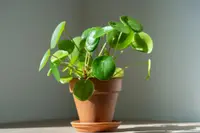
Use a relatively shallow but wide pot to match the compact, rhizome-like root system and reduce the risk of cold, soggy lower soil that can lead to root decline.

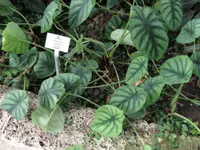
Alocasia cuprea, often called mirror plant, is a compact tropical aroid grown mainly for its striking foliage. It forms a clumping habit from short, underground stems.
Leaves are thick, metallic-looking, and deeply veined, with coppery, bronze, or dark green tones that can appear almost reflective. This makes it a strong focal point in indoor collections.
Alocasia cuprea comes from humid tropical forests of Borneo, where it grows on the forest floor in warm, filtered light. It prefers stable warmth, high humidity, and airy, well-drained soil, which can make care for Alocasia cuprea slightly challenging for beginners.

Care Difficulty
Hard Care

Light Preference
Bright Indirect Light

Water Requirements
Keep Soil Moist

Temperature Preference
Tropical / Frost Sensitive

Hardiness Zone
11–12

Soil Texture
Loamy, Peaty, Organic-rich

Soil pH
Acidic (5.5–6.5), Slightly acidic (6.5–7.0)

Soil Drainage
Moist but well-drained

Fertilization
Moderate (every 2–4 weeks)
Scan your plant to receive care tips personalized for your specific plant
Available on iOS and Android
This species prefers bright, filtered light that mimics the dappled shade of a tropical understory.
Watering should keep the root zone evenly moist but never saturated for this aroid.
Stable, warm temperatures are essential for consistent growth and leaf quality.
This species needs consistently high humidity to maintain healthy foliage and steady growth.
This species prefers a loose, airy, organic-rich medium that drains quickly yet holds steady moisture.
This species grows very well in containers when moisture and stability are managed carefully.
Nutrient-rich but lightly fed soil supports steady, healthy growth in Alocasia cuprea.
Pruning needs are minimal and focus on cleanliness and leaf quality for Alocasia cuprea.
Container-grown plants benefit from careful, infrequent repotting to avoid root shock.
Multiplication is usually done by division rather than from seed for this species.
This tropical species is frost-tender and needs indoor winter care in most climates.

Plant Health Check
Not sure what's wrong with your plant? Check your plant's health inside the app.
The leaf surface has a strongly bullate texture, meaning the tissues between veins are raised, which enhances the metallic copper and green reflections that give the plant its name cuprea. This structural surface, rather than pigment alone, is what creates the pronounced iridescent sheen under angled light.
In its native Bornean habitat, this species remains relatively small and forms low clumps on the forest floor, unlike many Alocasia that develop tall petioles or trunk-like stems. This naturally compact habit is one reason it adapts better than some relatives to container culture indoors.
Juvenile leaves show very strong copper tones and deep, sharply defined veins, while older, larger leaves often shift toward darker green with subtler copper shading. This ontogenetic change, meaning change with age, can make a single plant look quite different over time.

Alocasia cuprea was first described in the mid-19th century after being introduced to European horticulture, and its highly unusual metallic foliage quickly made it a showpiece in Victorian glasshouse collections, where it was grown as a botanical curiosity rather than as a common ornamental.
Brown, crispy leaf edges usually result from low humidity, buildup of fertilizer salts, or inconsistent moisture. Flush the pot occasionally, maintain stable, slightly moist soil, and increase ambient humidity to prevent further leaf margin damage.
Keep your plants happy and healthy with plant identification, disease detection, and easy care guidance.