Winter drainage prep
Before winter, top-dress around the plant with a thin layer of sharp sand or fine grit over the existing soil surface to keep the root collar drier and reduce the risk of rot in prolonged wet, cold conditions.

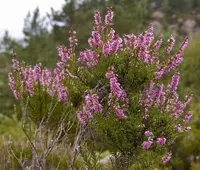
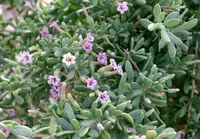
Scottish heather, Calluna vulgaris, is a low, woody shrub from heathlands, moors, and coastal areas across northern and western Europe. It forms dense, bushy mounds covered with tiny scale-like leaves. In late summer to fall, it carries many small bell-shaped flowers in shades of purple, pink, or white, attracting bees and other pollinators. Its fine texture and evergreen foliage make it useful for groundcover and naturalistic plantings. This species prefers acidic, well-drained soil and open, sunny sites, which is important to understand when learning how to care for Scottish Heather. Once established in suitable conditions, it can be long-lived and relatively low-maintenance.

Care Difficulty
Moderate Care

Light Preference
Full Sun

Water Requirements
Moderate Water

Temperature Preference
Cold Hardy

Hardiness Zone
4–7

Soil Texture
Sandy, Loamy, Peaty

Soil pH
Strongly acidic (4.5–5.5)

Soil Drainage
Moist but well-drained

Fertilization
Minimal (feed rarely)
Scan your plant to receive care tips personalized for your specific plant
Available on iOS and Android
Calluna vulgaris thrives in bright, open conditions with ample direct sun for best flowering and color.
This heath prefers evenly moist but not waterlogged soil, especially during establishment and active growth.
This hardy shrub is adapted to cool, temperate climates with cold winters and mild to warm summers.
This species prefers moderate, steady humidity and usually copes with typical indoor levels.
This heath species needs acidic, sharply drained, yet consistently moist soil to thrive.
This species is well suited to container growing, especially on balconies, patios, and terraces.
Calluna vulgaris prefers lean, acidic soil and benefits from modest feeding rather than heavy fertilization.
Pruning Calluna vulgaris keeps plants compact, extends lifespan, and maintains dense flowering shoots.
Heather is usually grown in the ground, so focus on careful transplanting rather than frequent repotting.
Calluna vulgaris is commonly propagated vegetatively to maintain flower color and growth habit.
Mature plants are generally cold hardy but benefit from some winter protection in exposed or container situations.

Plant Health Check
Not sure what's wrong with your plant? Check your plant's health inside the app.
This species is a key structural plant in many European heathlands and moorlands, forming extensive, long-lived stands that shape soil conditions, water balance, and habitat for many specialized animals and fungi.
Calluna vulgaris has a specialized ericoid mycorrhizal association, where microscopic fungi coat its fine roots and help it absorb nutrients, especially in very acidic, nutrient-poor soils.
Heather flowers produce abundant late-summer nectar that supports bees when other floral resources are scarce, and they are the main source of the characteristic, thixotropic heather honey in parts of Europe.

In some northern and upland regions, heather-dominated landscapes are managed using carefully timed rotational burning and cutting, which maintains a mosaic of young and old Calluna stands that support red grouse, sheep grazing, and a high diversity of invertebrates dependent on different growth stages of the plant.
Lack of flowers often comes from pruning at the wrong time, excess fertilizer, or too much shade. Buds form on the previous season’s growth, so hard pruning in spring or heavy feeding can remove or weaken flowering shoots.
Keep your plants happy and healthy with plant identification, disease detection, and easy care guidance.