Support Heavy Stems
Install a discreet stake or short plant hoop before stems become top-heavy, then loosely tie main shoots with soft ties to prevent wind rock and snapping, especially in exposed or container positions.

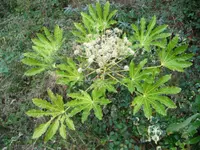
Japanese aralia, Fatsia japonica, is an evergreen shrub grown mainly for its large, glossy, hand-shaped leaves. It forms a rounded, bushy plant that brings a bold, architectural look to shaded spaces.
In nature it occurs in warm, woodland areas of Japan and nearby regions, where it grows under taller trees. This background explains its preference for bright indirect light or light shade, consistent moisture, and well-drained soil.
Its tolerance of lower light, moderate temperatures, and indoor conditions makes it a popular choice for homes and sheltered patios. With these needs understood, it is relatively straightforward to care for Japanese aralia.

Care Difficulty
Moderate Care

Light Preference
Partial Shade

Water Requirements
Moderate Water

Temperature Preference
Cool Climate

Hardiness Zone
8–10

Soil Texture
Loamy, Clay, Organic-rich

Soil pH
Acidic (5.5–6.5), Slightly acidic (6.5–7.0)

Soil Drainage
Moist but well-drained

Fertilization
Light (every 4–6 weeks)
Scan your plant to receive care tips personalized for your specific plant
Available on iOS and Android
Fatsia japonica prefers bright but gentle light that avoids harsh midday sun.
This shrub prefers evenly moist, well-drained soil that never stays soggy for long periods.
This plant grows best in mild, frost-light climates with cool to warm temperatures.
This species prefers moderate humidity and only needs adjustment in very dry indoor air.
Fatsia japonica grows best in loose, moist, well-drained soil with plenty of organic matter.
This species is well suited to container growing outdoors or in sheltered spots.
This evergreen shrub benefits from modest, consistent feeding during the active growing season.
Thoughtful pruning keeps Fatsia japonica compact, healthy, and well-shaped.
Container-grown plants and young shrubs benefit from occasional repotting or transplanting to maintain steady growth.
This shrub is commonly propagated from semi-ripe cuttings and sometimes by seed or layering.
This shrub is fairly cold hardy but benefits from some winter protection in colder regions or exposed sites.

Plant Health Check
Not sure what's wrong with your plant? Check your plant's health inside the app.
This species is native to the warm, humid, and often deeply shaded woodlands of southern Japan and nearby regions, which explains its strong tolerance for low light in gardens and indoors.
Its leaves can reach 30–40 cm across, with 7–9 deep lobes, giving a tropical appearance despite the plant being hardy in relatively cool climates.
It flowers in small white spherical clusters in autumn to early winter, providing nectar and pollen for insects at a time when few other garden plants are in bloom.

In mild coastal climates, this species can grow into a shrub more than 3 m tall and wide, and its black berries that follow the winter flowers are eaten by birds, which help spread the seeds into new areas.
Yellowing leaves usually come from overwatering, poor drainage, or natural aging of older foliage. Check that the pot drains freely, the root zone is not waterlogged, and fertilizer use is moderate, not excessive.
Keep your plants happy and healthy with plant identification, disease detection, and easy care guidance.