Rootbound Promotion
Keep the plant slightly rootbound in a sturdy container, as a tight root system encourages heavier flowering and reduces excessive leafy growth when growing Great bougainvillea.

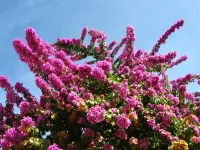
Great bougainvillea (Bougainvillea spectabilis) is a vigorous woody vine known for its dramatic, papery bracts that surround small, tubular white flowers. It often grows as a sprawling shrub or trained climber on trellises, walls, and fences.
This species is native to South America, especially Brazil, and thrives in warm, bright, frost-free climates. It has a tough, drought-tolerant nature once established, but can be sensitive to root disturbance and overwatering.
Its main needs are strong sun, sharply drained soil, and avoiding prolonged cold or wet conditions. Understanding these traits makes it easier to know how to care for Great bougainvillea in home gardens or containers.

Care Difficulty
Moderate Care

Light Preference
Full Sun

Water Requirements
Low Water

Temperature Preference
Tropical / Frost Sensitive

Hardiness Zone
9–11

Soil Texture
Sandy, Loamy, Rocky

Soil pH
Acidic (5.5–6.5), Slightly acidic (6.5–7.0)

Soil Drainage
Well-drained

Fertilization
Light (every 4–6 weeks)
Scan your plant to receive care tips personalized for your specific plant
Available on iOS and Android
Bougainvillea spectabilis needs strong sun to produce abundant bracts and compact growth.
Watering for Bougainvillea spectabilis should favor deep, infrequent soakings rather than constant moisture.
Temperature strongly affects flowering and survival of Bougainvillea spectabilis in outdoor plantings.
Bougainvillea spectabilis handles a wide humidity range but prefers moderately dry air.
Bougainvillea spectabilis needs fast-draining, slightly lean soil to flower and root well in containers or beds.
This species is suitable for container growing when the pot supports its extensive, woody root system and top-heavy growth.
Bougainvillea spectabilis responds well to modest, targeted feeding in warm months for strong flowering.
Bougainvillea spectabilis benefits from thoughtful pruning to manage size and encourage heavy blooming.
Container-grown Bougainvillea spectabilis dislikes frequent disturbance, so repot or transplant only when clearly needed.
This species is commonly propagated from cuttings, which root best in warm, bright conditions.
Bougainvillea spectabilis is frost-sensitive and needs protection in climates colder than USDA zone 10.

Plant Health Check
Not sure what's wrong with your plant? Check your plant's health inside the app.
What most people see as bright magenta or purple “flowers” are actually bracts, which are modified leaves; the true flowers of this species are the small, tubular, cream-colored structures in the center of each bract cluster.
This species has recurved spines along its stems that can help it scramble over other vegetation, and the spine bases exude a sticky, sometimes irritating sap that can cause mild skin reactions in sensitive people.
Although native to eastern South America, this species has been widely introduced and is now naturalized in many tropical and subtropical regions, where it often grows as a woody climber on fences, walls, and trees in coastal and urban landscapes.

Historical records show that this species was one of the early ornamental plants collected from South America and distributed globally after the voyages of the French explorer Louis Antoine de Bougainville in the 18th century, which is why the entire genus carries his name.
Lack of flowers usually comes from too much shade, excess nitrogen fertilizer, or constant heavy watering. The plant needs strong light, lean soil, and brief dry periods between waterings to switch from leafy growth to abundant bracts.
Keep your plants happy and healthy with plant identification, disease detection, and easy care guidance.