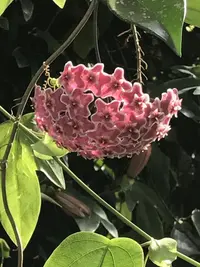
Jade plant Care (Crassula ovata)

Also known as: Kerkybush, Pink Joy, Jade Stonecrop

About Jade plant

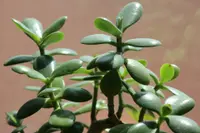
The jade plant, Crassula ovata, is a succulent shrub that stores water in its thick, smooth leaves and stems. It stays compact in pots but can form a small, tree-like shape with age.

Leaves are usually glossy green, sometimes edged with red in bright light, and mature plants may produce small, star-shaped white or pale pink flowers in ideal conditions. In nature it grows in rocky, dry areas of South Africa and Mozambique.

Its drought tolerance and slow growth make it suitable for indoor containers and for beginners. Bright light, infrequent watering, and freely draining soil are the main points to remember when learning how to care for Jade plant.

Main Plant Requirements

Care Difficulty

Easy Care

Light Preference

Bright Indirect Light

Water Requirements

Low Water

Temperature Preference

Tropical / Frost Sensitive

Hardiness Zone

10–11

Soil Texture

Sandy, Loamy, Rocky

Soil pH

Slightly acidic (6.5–7.0), Slightly alkaline (7.0–7.5)

Soil Drainage

Well-drained

Fertilization

Minimal (feed rarely)

Get Personalized Care Plan

Scan your plant to receive care tips personalized for your specific plant

Personalized Care in the App

Available on iOS and Android

How to Care for the Jade plant

Crassula ovata needs bright light to stay compact and develop strong stems and leaf color.

  • Provide 4–6 hours of direct morning sun with bright, filtered light the rest of the day, especially in spring and fall.
  • In very hot climates, protect from harsh midday/afternoon sun to prevent leaf scorch, corky patches, or yellowing.
  • Tolerates light shade for part of the day but may stretch and green out; move gradually to brighter exposure in late winter or early spring.

This succulent stores water in its leaves and needs thorough but infrequent watering.

  • Water only when the top 3–5 cm of soil are completely dry, then soak the root zone until excess drains away.
  • Use fast-draining soil and a container or planting spot that never stays soggy to reduce risk of root rot in Crassula ovata.
  • In spring and summer, drying time shortens; in fall and winter, extend intervals and watch leaves for wrinkling (too dry) or mushiness (too wet).

This species prefers warm, dry conditions and does poorly in frost or prolonged cold.

  • Aim for 65–80°F (18–27°C) for steady growth, with cooler nights down to about 55°F (13°C).
  • Protect from temperatures below 40°F (4°C); brief dips may be tolerated, but frost can scar or kill stems and leaves.
  • In hot weather above 90°F (32°C), give some afternoon shade and avoid sudden temperature swings near drafty doors, vents, or open windows.

Crassula ovata handles typical indoor humidity well, so humidity management is usually low priority.

Crassula ovata thrives in a sharply draining, mineral-based mix that dries quickly between waterings.

  • Use a cactus or succulent mix amended with extra pumice or perlite for a loose, gritty texture.
  • Aim for slightly acidic to neutral pH around 6.0–7.0, avoiding heavy lime additions unless soil is very acidic.
  • Avoid dense, peat-heavy or clayey mixes that stay wet, as they promote root rot and stem base collapse.
  • For homemade media, combine roughly 1 part coarse sand, 1 part perlite or pumice, and 1 part lean, low-organic potting mix.

This species is very suitable for container growing and adapts well to long-term pot culture.

  • Choose a pot just slightly wider than the rootball to limit excess unused mix that would stay wet longer.
  • Use a heavier material such as ceramic or terracotta for stability, as the plant becomes top-heavy with age.
  • Select a container shape that is wider than it is tall to reduce tipping risk as the canopy spreads and lignified stems thicken.

Crassula ovata benefits from light, controlled feeding during active growth but tolerates lean conditions.

  • Use a balanced liquid fertilizer (about 10-10-10 or 20-20-20) diluted to 25–50% strength for Jade plant indoor care.
  • Feed once every 4–6 weeks in spring and summer when new growth is evident.
  • Avoid fertilizing in late fall and winter, when growth slows and roots are less active.
  • Always water lightly before feeding to reduce the risk of root burn in dry, sandy substrates.

Pruning helps Crassula ovata maintain a strong, compact structure and healthy canopy.

  • Plan main pruning for late winter to early spring before vigorous new growth starts.
  • Remove dead, damaged, or crossing stems using clean, sharp scissors or bypass pruners.
  • Shorten overly long branches just above a node to encourage branching and a fuller shape.
  • Limit removal to about 20–30% of foliage at one time to avoid excessive stress.

Repotting a mature jade plant is infrequent but important for long-term root health and stability.

  • Check for roots circling the pot, pushing through drainage holes, or noticeably slow growth as repotting signals.
  • Plan to repot every 3–5 years in late winter or early spring, just before active growth resumes.
  • Choose a heavy, well-draining container 2–5 cm wider, using gritty cactus or succulent mix to limit waterlogging.
  • Gently loosen outer roots, keep the woody root ball mostly intact, and withhold watering for 2–3 days after repotting to reduce stress.

Crassula ovata is commonly propagated from stem or leaf cuttings under warm, bright conditions.

  • Take 5–10 cm stem cuttings or healthy leaves in spring or early summer for best success.
  • Allow cut surfaces to dry and callus for 1–3 days before planting to reduce rot risk.
  • Set cuttings in a sterile, slightly moist cactus mix and keep in bright, indirect light at 70–80°F.
  • Water sparingly until firm new growth or resistance indicates rooting, then shift to normal care.

Winter care for Crassula ovata focuses on avoiding freezing temperatures and excessive moisture.

  • Keep indoor temperatures around 55–65°F in winter and avoid exposure below 40°F to prevent tissue damage.
  • Move outdoor containers indoors before frost and place in the brightest available window.
  • Reduce watering significantly in winter, letting the mix dry more deeply between waterings to limit root rot.

Care Tips

Rotate For Symmetry

Turn the pot 90° every 2–3 weeks so stems thicken evenly and the canopy stays balanced instead of leaning toward the strongest light source.

Early Stem Training

While stems are still flexible, gently tip the plant slightly forward or to one side and stake main branches loosely so they develop a compact, tree-like form with a thick central trunk.

Controlled Leaf Thinning

Pinch off a few inner leaves on crowded branches to improve airflow and light penetration, which helps prevent soft, weak growth and reduces the risk of fungal issues.

Rootbound Timing Check

Check the root ball every 1–2 years and repot only when you see thick, pale roots circling the pot, which keeps growth dense without oversizing the container.

Prevent Mealybug Hotspots

Inspect leaf joints and older woody stems monthly with a hand lens, wiping any white cottony spots with a cotton swab dipped in 70% isopropyl alcohol as a routine part of caring for Jade plant.

Common Pests and Diseases

Mealybugs

This pest feeds on leaf and stem sap, often hiding in crevices and at leaf joints, and excretes sticky honeydew that can lead to sooty mold. Symptoms include white cottony clusters, slowed growth, and leaf yellowing or distortion.

Solution

Isolate the plant, then dab visible insects with cotton swabs dipped in 70% isopropyl alcohol and wipe affected areas thoroughly. Repeat weekly until no new clusters appear, and for persistent infestations use a labeled insecticidal soap or neem oil spray, ensuring good coverage of stems, leaf undersides, and crevices.

Scale insects

These insects appear as small, brown or tan bumps on stems and leaf undersides and can be mistaken for part of the plant. Symptoms include sticky honeydew, sooty mold, weakened growth, and eventual leaf drop if numbers build up.

Solution

Gently scrape or rub off visible scales with a fingernail or soft brush, then wipe stems with a cloth lightly moistened with 70% isopropyl alcohol. Follow up with repeated applications of horticultural oil or insecticidal soap every 7–10 days, focusing on stems and leaf undersides where juveniles settle.

Oedema

This disorder occurs when roots take up water faster than the leaves can release it, causing water-filled blisters or corky spots, especially on lower leaves. Symptoms include raised, blister-like patches that may turn brown and rough while the plant otherwise looks fairly healthy.

Solution

Reduce watering frequency, allowing the soil to dry more thoroughly between waterings, and avoid leaving the plant sitting in water. Improve light and air movement around the plant to increase transpiration and remove badly damaged leaves to improve appearance; new growth usually develops normally once conditions are corrected.

Powdery mildew

This disease produces a white, powdery coating on leaves and stems, more often when warm, still air combines with high humidity around the plant. Symptoms include dull, dusty-looking foliage, distorted new growth, and gradual leaf yellowing or drop if severe.

Solution

Increase air circulation, avoid overhead misting, and space plants so leaves dry quickly. Remove heavily affected leaves and treat remaining foliage with a sulfur-based fungicide or a labeled potassium bicarbonate or neem oil product, repeating as directed until new growth appears clean.

Bacterial soft rot

This disease causes localized soft, watery, and often foul-smelling areas at leaf bases, stems, or old scar tissue, which can rapidly collapse and spread. Symptoms include mushy, translucent tissue that easily breaks apart, often starting where mechanical damage or overwatering has occurred.

Solution

Immediately cut away all soft, discolored tissue with a sterile knife, trimming back into firm, healthy tissue, and discard affected parts in the trash. Allow wounds to dry and callus for 1–2 days in bright, indirect light, then replant in fresh, fast-draining succulent mix, adjust watering to stay on the dry side, and improve airflow around the plant as part of Crassula ovata plant care.

Interesting Facts

Natural rock crevice specialist

In its native range of South Africa and Mozambique, this species often grows in shallow soil pockets on rocky slopes, where its thick roots anchor into cracks and store limited moisture efficiently.

CAM photosynthesis user

Crassula ovata uses crassulacean acid metabolism (CAM), a photosynthetic pathway where stomata open mainly at night, reducing water loss in its semi-arid habitat.

Wood-like succulent stems

Although it is a succulent, older plants develop a woody, tree-like trunk and branches through secondary thickening, which helps support a heavy canopy of water-storing leaves.

Botan icon

Did you know?

Wild specimens in South Africa have been documented forming dense, shrubby stands over 2–3 m tall, making them a conspicuous part of the coastal succulent thicket vegetation in some regions.

FAQs about Jade plant

Flowering usually needs maturity, bright light, and a slight cool, dry rest in fall. Reduce watering, avoid high nitrogen fertilizer, and provide cooler nights around 50–60°F. Consistent conditions over several years often trigger buds.

Grow Healthy Plants with Botan Care

Keep your plants happy and healthy with plant identification, disease detection, and easy care guidance.

Botan plant care app — identify plants on mobile

Explore More Plants