


Early structural pruning
In the first 2–3 years, remove competing leaders and steep, narrow crotch angles so the tree develops one strong central trunk and wide scaffold branches that can support its eventual size and fruit load.

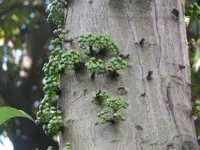
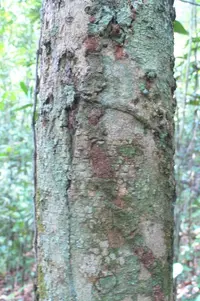
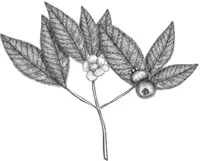
Common red-stem fig, Ficus variegata, is a tropical fig tree or large shrub known for its colorful red young stems and attractive foliage. It belongs to the Moraceae family, the same group as many ornamental and edible figs.
In nature it occurs from Southeast Asia to northern Australia, usually in warm, humid forests and along forest edges. It can grow quite tall outdoors but stays much smaller in containers.
The plant is generally robust and fast growing when given warmth, bright light, and evenly moist but well-drained soil. These traits make it manageable for growers who learn how to care for Common Red-stem Fig, although its eventual size and vigor require space and pruning planning.

Care Difficulty
Moderate Care

Light Preference
Partial Shade

Water Requirements
Moderate Water

Temperature Preference
Tropical / Frost Sensitive

Hardiness Zone
10–12

Soil Texture
Loamy, Sandy, Organic-rich

Soil pH
Acidic (5.5–6.5), Slightly acidic (6.5–7.0)

Soil Drainage
Moist but well-drained

Fertilization
Minimal (feed rarely)
Scan your plant to receive care tips personalized for your specific plant
Available on iOS and Android
This species thrives in bright, filtered light similar to an open forest edge.
Watering should mimic a moist but freely draining forest soil.
This tree prefers warm, frost-free conditions year-round.
This species prefers moderate humidity but adapts to typical indoor levels if not extremely dry.
Ficus variegata grows best in a loose, well-drained, organic-rich substrate that still holds some moisture.
This species is suitable for container growing when the pot supports its woody root system and upright canopy.
Ficus variegata grown in containers benefits from light, consistent nutrition, while in-ground trees usually need minimal feeding in reasonably fertile soil.
Ficus variegata responds well to thoughtful pruning that controls size and maintains a strong framework.
Container-grown Ficus variegata and young field plants handle transplanting best when planned around active but not peak-stress growth periods.
Ficus variegata is most often propagated by cuttings, though seed and air layering are also possible for growers with more experience.
In mild, frost-free climates, Ficus variegata needs little specific winter care, but container and marginal-climate plantings require extra attention.

Plant Health Check
Not sure what's wrong with your plant? Check your plant's health inside the app.
In some rainforest habitats, this species can begin life as an epiphyte high in another tree’s crown and later send roots down to the ground, eventually enveloping and sometimes killing its host in a typical strangler fig growth pattern.
Ficus variegata relies on tiny fig wasps in the genus Ceratosolen for pollination, and those wasps can complete their entire life cycle only inside the enclosed fig inflorescences of this species, which makes the relationship highly species specific.
Individual trees often fruit asynchronously, meaning different trees in a population bear figs at different times, so together they provide a more continuous food source for birds, bats, and mammals in tropical forests.

This species is notably widespread across tropical Asia to Australia and shows considerable variation in leaf shape and bark appearance across its range, which has led to a complex taxonomic history with several former varieties and regional forms later merged back into Ficus variegata.
Growth is moderately fast in warm, frost-free climates, especially with consistent moisture and fertile soil. Young trees can add 30–60 cm per year, slowing as they mature. Pruning and root restriction in containers reduce overall growth rate.
Keep your plants happy and healthy with plant identification, disease detection, and easy care guidance.



.5912-200x133.webp)