


Regular reshaping trims
Pinch or trim back outer stems every 3–4 weeks to keep the mat dense and prevent the center from thinning or balding as growth ages.

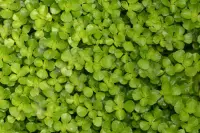
Baby tears (Pilea depressa) is a small trailing houseplant valued for its dense mats of tiny, rounded leaves. It forms soft hanging carpets that spill over pots or creep between other plants.
This species occurs naturally in tropical regions of Central and South America, where it grows in warm, humid, partially shaded environments. Its fine stems and small leaves dry out quickly, so consistent moisture and a sheltered position matter.
Pilea depressa is considered moderately easy if humidity is adequate and soil is kept lightly moist but not soggy. With stable indoor temperatures, gentle light, and attention to watering, it is straightforward to care for Baby Tears.

Care Difficulty
Moderate Care

Light Preference
Bright Indirect Light

Water Requirements
Keep Soil Moist

Temperature Preference
Tropical / Frost Sensitive

Hardiness Zone
10–11

Soil Texture
Loamy, Peaty, Organic-rich

Soil pH
Acidic (5.5–6.5), Slightly acidic (6.5–7.0)

Soil Drainage
Moist but well-drained

Fertilization
Light (every 4–6 weeks)
Scan your plant to receive care tips personalized for your specific plant
Available on iOS and Android
Pilea depressa prefers soft, bright light that mimics dappled forest shade.
This species prefers evenly moist, fast-draining substrate rather than cycles of complete drying.
Stable, mild warmth keeps this creeping plant compact and actively growing.
This trailing species prefers moderately humid air and reacts quickly to prolonged dryness.
This plant prefers a loose, airy, organic-rich mix that drains quickly yet retains steady moisture.
This species is well suited to container growing, especially in shallow, wide pots or hanging planters.
Pilea depressa benefits from light, consistent feeding during its active growing season.
Pilea depressa responds well to light pruning that keeps growth dense and tidy.
This trailing plant prefers slightly snug pots but needs repotting when clearly outgrowing its container.
Pilea depressa is commonly multiplied from stem cuttings rather than seed.
This species is frost sensitive and needs mild, frost-free conditions in winter, especially in containers.

Plant Health Check
Not sure what's wrong with your plant? Check your plant's health inside the app.
This species is native to the Caribbean, where it naturally creeps and cascades over rocks, tree bases, and forest edges, forming dense, low mats close to the ground.
Its leaves are unusually small and often appear slightly folded or cupped, creating a textured, multi-layered effect that distinguishes it from other small-leaved Pilea species.
In horticulture it is frequently confused with other trailing Pilea and with several Solanaceae groundcovers, so plants sold under this name are sometimes different species or hybrids.
Yellowing leaves usually come from excess moisture around the roots, poor drainage, or lack of nutrients. Check that the pot drains well, reduce watering slightly, and consider a light, balanced fertilizer during active growth.
Keep your plants happy and healthy with plant identification, disease detection, and easy care guidance.

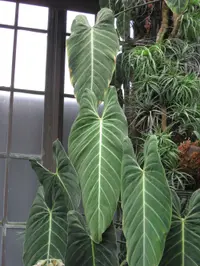 POPULAR
Philodendron melanochrysum
Philodendron melanochrysum
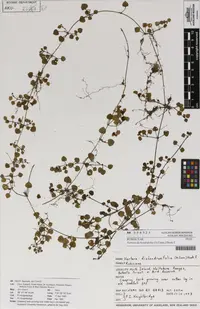
Nertera dichondrifolia
Nertera dichondrifolia
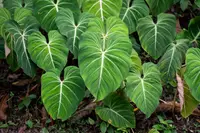 POPULAR
Philodendron gloriosum
Philodendron gloriosum
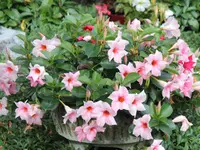
Brazilian jasmine
Mandevilla sanderi
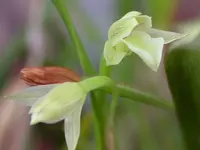
Scaphyglottis prolifera
Scaphyglottis prolifera
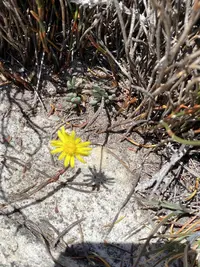
Little Pickles
Crassothonna capensis
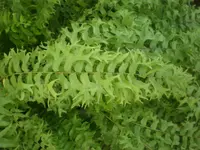
fishtail swordfern
Nephrolepis falcata
Peperomia san-joseana
Peperomia san-joseana