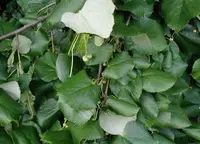
Japanese maple Care (Acer palmatum)

Also known as: smooth Japanese-maple, palmate maple

About Japanese maple

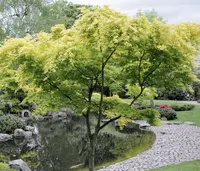
Japanese maple, Acer palmatum, is a small deciduous tree valued for its finely divided leaves and strong seasonal color. It is commonly grown as a feature tree or in containers. Native to Japan, Korea, and parts of China, it has a naturally graceful, layered branching habit and often stays compact in garden settings. Leaf shape and color vary widely among cultivars, from deep red to fresh green. This species prefers cool roots, even moisture, and well-drained, slightly acidic soil, and it dislikes harsh drying winds. With the right site and protection from extremes, it is moderate in difficulty to care for Japanese maple.

Main Plant Requirements

Care Difficulty

Moderate Care

Light Preference

Partial Shade

Water Requirements

Moderate Water

Temperature Preference

Cold Hardy

Hardiness Zone

5–8

Soil Texture

Loamy, Sandy, Organic-rich

Soil pH

Acidic (5.5–6.5), Slightly acidic (6.5–7.0)

Soil Drainage

Moist but well-drained

Fertilization

Minimal (feed rarely)

Get Personalized Care Plan

Scan your plant to receive care tips personalized for your specific plant

Personalized Care in the App

Available on iOS and Android

How to Care for the Japanese maple

Acer palmatum grows best in bright, gentle light rather than harsh, prolonged sun exposure.

  • Provide 3–5 hours of morning sun with light afternoon shade; filtered light under taller trees suits most Japanese maple cultivars.
  • In hot summers or USDA zones 8–9, protect from strong afternoon sun to prevent leaf scorch, especially on dissected or red-leaved forms.
  • In cooler climates, slightly more sun (up to 6 hours) improves color, but monitor leaves for browning edges as a sign of excess exposure.

Acer palmatum prefers evenly moist, well-drained soil rather than cycles of drought or saturation.

  • Water when the top 3–5 cm of soil feels dry, aiming for deep soaking at the root zone instead of light surface splashes.
  • Use soil with good drainage and avoid standing water; yellowing leaves and persistent wetness suggest overwatering, while crisp leaf edges and drooping indicate drought stress.
  • Increase monitoring during hot, windy periods and reduce watering in cool, rainy weather and in autumn as leaf drop begins.

This species is a cool-temperate tree that prefers moderate conditions and dislikes extreme heat or sudden freezes.

  • Optimal growing temperatures are around 60–80°F (16–27°C) during the active season, with cooler nights supporting good color development.
  • Mature trees tolerate winter lows down to about -10–0°F (-23 to -18°C) in suitable climates, but young plants benefit from protection from severe frost and drying winds.
  • During heat waves above 90°F (32°C), provide extra shade and soil moisture, since prolonged high temperatures can scorch foliage and stress shallow roots.

Acer palmatum prefers moderate humidity but usually adapts to typical outdoor air conditions in temperate climates.

  • Target 40–60% humidity, which is typical in many outdoor garden settings for Japanese maple.
  • Dry, hot winds and very low humidity can cause leaf scorch, crispy margins, and early leaf drop, especially on young trees or in containers.
  • In exposed, dry sites, increase local humidity by using mulch over the root zone and providing light wind protection rather than misting the foliage.

Acer palmatum grows best in evenly moist, well-aerated, slightly acidic soil with reliable drainage.

  • Use a loose, loamy structure with high organic matter, combining garden loam with compost and fine pine bark to balance moisture retention and air space.
  • Aim for slightly acidic to neutral pH, around 5.5–6.8, avoiding highly alkaline or compacted clay soils that limit root function.
  • Improve drainage and aeration in heavier soils by incorporating coarse sand, small grit, or pumice instead of relying only on compost.
  • Avoid sites where water pools after rain or where soil stays saturated for long periods, as this increases risk of root rot and weak growth.

This species is well suited to long-term container growing when root space, drainage, and stability are managed carefully.

  • Select a wide, heavy container that resists tipping, as the canopy becomes top-heavy in wind and rain.
  • Choose a pot depth that allows a broad, shallow root system, avoiding tall, narrow pots that concentrate roots at the base.
  • Use a fast-draining, bark-based mix and keep the container slightly raised on feet or blocks to let excess water escape quickly.

Acer palmatum benefits from modest, controlled feeding to support healthy foliage and steady growth.

  • Apply a balanced slow-release fertilizer (around 10-10-10) or compost once in early spring as new growth starts.
  • Use half-strength liquid balanced fertilizer every 4–6 weeks in spring–early summer if growth is weak, then stop by midsummer.
  • Keep fertilizer away from the trunk and water deeply after application to prevent root burn.
  • Do not feed during fall and winter dormancy, as Japanese maple roots are physiologically less active.

Thoughtful pruning keeps Acer palmatum healthy and highlights its natural branching structure.

  • Carry out light pruning in late winter or midsummer, avoiding heavy cuts in early spring when sap flow is high.
  • Remove dead, damaged, crossing, or inward-growing branches to improve structure and airflow.
  • Thin crowded interior twigs rather than shortening branch tips to preserve the tree’s natural shape.
  • Use sharp, clean bypass pruners and make small, angled cuts just above a bud or side branch.

Container-grown or young landscape Acer palmatum trees benefit from careful, infrequent repotting or transplanting.

  • Look for roots circling the pot, water running straight through, or slowed growth as signals it needs more space.
  • Plan repotting or transplanting for early spring or early fall when temperatures are mild and moisture is consistent.
  • Expect container trees to need a larger pot every 3–5 years; shift only 1–2 sizes up each time.
  • Loosen circling roots gently, trim damaged ones, keep the root ball shaded, and water thoroughly to reduce transplant stress.

Propagation of Acer palmatum is possible but often slow and technically demanding for home growers.

  • Use semi-hardwood cuttings in midsummer, placed in a free-draining medium under high humidity and bright, indirect light.
  • Try ground or air layering in spring to produce clones that maintain desirable leaf shape and color.
  • Sow seeds in fall, allowing natural winter cold stratification to break dormancy for spring germination.
  • Maintain stable moisture, avoid waterlogging, and handle young roots carefully to support successful establishment.

Mature Acer palmatum trees are generally cold hardy but young or potted plants benefit from extra winter care.

  • Expect hardy cultivars to tolerate light to moderate frosts once fully dormant.
  • Apply 5–8 cm of mulch around the root zone, keeping it a few cm away from the trunk to moderate soil temperature.
  • Wrap trunks or low branches of young trees in very cold or windy sites to limit bark damage.
  • Move containers to a sheltered, unheated space or against a protected wall to buffer freeze–thaw cycles when caring for Japanese maple.

Care Tips

Root flare check

Expose the upper root flare by gently brushing away excess soil or mulch from the trunk base each spring to reduce rot risk and promote stable anchoring.

Summer leaf protection

In very hot, dry spells, rig a temporary shade cloth or use a light, breathable garden fabric on the west side to reduce leaf scorch on delicate cultivars.

Wind damage prevention

Stake young trees with two low, flexible ties on opposite sides for the first 1–2 years in windy sites so the trunk can move slightly while still being supported.

Targeted branch thinning

Each late winter, selectively remove a few crowded inner branches at their origin rather than tip-pruning, to improve airflow, reduce fungal problems, and maintain the natural layered form.

Mulch ring management

Maintain a 5–8 cm deep mulch ring that stops 5–8 cm away from the trunk to keep roots cool and moist while avoiding bark rot, which is important when caring for Japanese maple in warm climates.

Common Pests and Diseases

Verticillium wilt

This disease causes sudden wilting, branch dieback, and often a one-sided decline, with discolored streaks sometimes visible in the sapwood. Symptoms include sparse foliage, small leaves, and sections of the canopy failing over time.

Solution

Prune out affected branches well below any discolored wood and dispose of them, then disinfect tools between cuts. Avoid overwatering, improve soil drainage, and do not replant another Japanese maple or other Verticillium‑susceptible species in the same spot; long term management focuses on reducing stress and monitoring for further dieback.

Pseudomonas leaf spot

This disease produces black or dark brown angular spots on young leaves, often with a water-soaked appearance and sometimes causing leaf distortion or shot holes. Symptoms include more severe damage in cool, wet spring weather.

Solution

Remove and discard affected leaves and any fallen debris, then avoid overhead watering, especially in the evening, to keep foliage dry. Improve air circulation around the tree with careful thinning cuts and, in areas with recurring issues, consider applying a copper-based fungicide during early spring according to label directions.

Phyllosticta leaf spot

This disease causes tan to brown spots with darker margins on leaves, sometimes with tiny black fruiting bodies in the center. Symptoms include premature leaf drop when infections are heavy, especially under humid conditions.

Solution

Rake and dispose of infected fallen leaves to reduce the source of spores, and avoid splashing water onto foliage. For trees that suffer yearly outbreaks, start a preventive fungicide program in early spring and maintain good spacing and airflow as part of broader Acer palmatum care instructions.

Japanese maple scale

This pest appears as tiny, hard, white to gray bumps tightly attached to twigs and branches, often giving bark a speckled look. This pest feeds on sap, causing branch weakening, sparse foliage, and dieback in heavy infestations.

Solution

Prune and discard heavily infested twigs, then scrub remaining colonies gently with a soft brush if practical. For larger trees, use horticultural oil sprays at the correct seasonal timing for crawler stages, and encourage or protect natural enemies such as lady beetles by avoiding broad-spectrum insecticides.

Leafhoppers

These insects are small, wedge-shaped, and very quick-moving, feeding on leaf undersides and causing pale stippling, leaf curling, or marginal browning. This pest can also produce sticky honeydew and may contribute to leaf scorch appearance in hot, dry weather.

Solution

Rinse foliage with a strong stream of water to knock insects off, and encourage natural predators by maintaining plant diversity nearby. In persistent cases on young or container-grown trees, use insecticidal soap or a labeled horticultural oil, applying thoroughly to leaf undersides and repeating as needed according to label directions.

Interesting Facts

Deep leaf diversity

Acer palmatum includes hundreds of named cultivars that differ in leaf shape, color, and texture, all derived from the same species through selection over centuries in Japan and later in Europe and North America.

Shade-tolerant understory tree

In its native range of Japan, Korea, and parts of China, Acer palmatum naturally grows as an understory tree in mixed forests, adapted to dappled light beneath taller canopy species.

Remarkable autumn pigments

The intense red and orange fall colors of many Acer palmatum cultivars result from high levels of anthocyanins and carotenoids, pigments that become visible as chlorophyll breaks down in cooler autumn conditions.

Botan icon

Did you know?

Historical records show that Japanese gardeners were selecting and naming distinct Acer palmatum forms by the 17th century, making it one of the earliest ornamental trees to undergo systematic cultivar development for leaf color and shape.

FAQs about Japanese maple

Leaf browning usually results from leaf scorch, often caused by hot sun, dry wind, or inconsistent moisture. Compacted or very alkaline soil and excess fertilizer salts can worsen it. Check roots, adjust watering, and improve soil and wind protection.

Grow Healthy Plants with Botan Care

Keep your plants happy and healthy with plant identification, disease detection, and easy care guidance.

Botan plant care app — identify plants on mobile

Explore More Plants