Control Vine Density
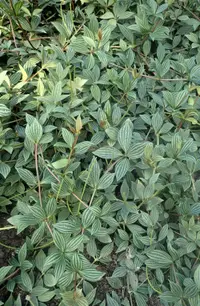
Regularly thin crowded stems by removing some entire shoots at the base, which improves air flow through the mat of foliage and reduces risk of rot and fungal issues in the dense growth habit typical when growing Turtle Vine.

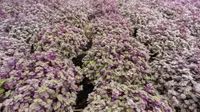
Turtle vine (Callisia repens) is a low-growing, fast-spreading tropical groundcover often grown as a trailing houseplant. It forms dense mats of small, rounded leaves on thin, creeping stems. The foliage is usually green on top with a purple tint underneath, giving compact hanging baskets a full, layered look. In the wild, it occurs in warm regions of Central and South America, where it naturally roots as it spreads along the ground. This species is considered easy to grow and adapts well indoors if given bright, indirect light, regular moisture, and a well-drained potting mix. Its vigorous growth and forgiving nature make it simple to care for Turtle Vine, even for less experienced plant owners.

Care Difficulty
Moderate Care

Light Preference
Bright Indirect Light

Water Requirements
Moderate Water

Temperature Preference
Tropical / Frost Sensitive

Hardiness Zone
10–11

Soil Texture
Loamy, Sandy, Organic-rich

Soil pH
Acidic (5.5–6.5), Slightly acidic (6.5–7.0)

Soil Drainage
Moist but well-drained

Fertilization
Light (every 4–6 weeks)
Scan your plant to receive care tips personalized for your specific plant
Available on iOS and Android
Callisia repens grows best in bright, indirect light with brief gentle sun exposure.
This species prefers lightly moist soil and reacts quickly to both drought and excess water.
This plant prefers mild, stable temperatures and does poorly with frost or extreme heat.
This species prefers moderately humid air but adapts to most household conditions if not kept too dry for long.
This plant grows best in a light, airy mix that drains quickly yet holds some moisture.
This trailing species is well suited to containers and hanging baskets.
Callisia repens responds well to light, consistent feeding during active growth.
Pruning helps Callisia repens stay dense, compact, and visually tidy.
This shallow-rooted trailer adapts well to containers and benefits from occasional repotting.
Callisia repens is commonly multiplied from short stem cuttings rather than seed.
This plant is frost-tender and needs mild indoor conditions in winter in most climates.

Plant Health Check
Not sure what's wrong with your plant? Check your plant's health inside the app.
This species naturally forms dense, low mats that root wherever its stems touch the soil, allowing it to quickly carpet the ground in mild climates and in greenhouse conditions.
The leaves have slightly succulent tissue that stores water, which helps the plant tolerate short dry spells while still preferring bright shade rather than full sun.
Under stronger light, especially in warm conditions, the undersides of the leaves often develop a more pronounced purple tone due to increased production of protective pigments called anthocyanins.

In several regions with frost-free climates, this small trailing species has become naturalized and can behave invasively, forming dense mats that outcompete low native vegetation, so responsible disposal of pruned material is important when growing Turtle Vine outdoors.
Brown leaf edges usually come from low humidity, underwatering, or fertilizer burn. Check soil moisture, reduce direct hot drafts, and flush excess fertilizer. Persistent brown, mushy areas can also indicate root rot from chronically soggy soil.
Keep your plants happy and healthy with plant identification, disease detection, and easy care guidance.