Codonanthe devosiana Care

About Codonanthe devosiana

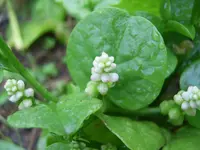
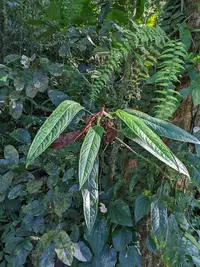
Codonanthe devosiana is a small, trailing epiphyte from the Brazilian rainforest, belonging to the African violet family (Gesneriaceae). It is often grown in hanging baskets or mounted on bark, where its slender stems can cascade gracefully.

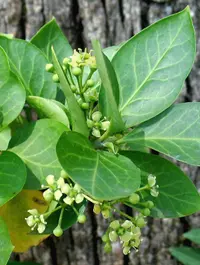
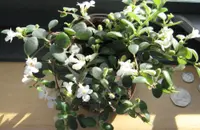
The plant has small, fleshy leaves and produces tubular white to pale cream flowers, sometimes followed by decorative orange berries. Its compact size and relatively slow growth make it well suited to indoor spaces.

This species prefers bright, filtered light, evenly moist but not waterlogged substrate, and good air circulation. Once its basic needs are understood, it is not difficult to care for Codonanthe devosiana in a typical home environment.

Main Plant Requirements

Care Difficulty

Moderate Care

Light Preference

Bright Indirect Light

Water Requirements

Moderate Water

Temperature Preference

Tropical / Frost Sensitive

Hardiness Zone

11–12

Soil Texture

Loamy, Peaty, Organic-rich

Soil pH

Acidic (5.5–6.5), Slightly acidic (6.5–7.0)

Soil Drainage

Moist but well-drained

Fertilization

Light (every 4–6 weeks)

Get Personalized Care Plan

Scan your plant to receive care tips personalized for your specific plant

Personalized Care in the App

Available on iOS and Android

How to Care for the Codonanthe devosiana

This trailing epiphyte needs bright, gentle light to flower and keep compact growth.

  • Provide 6–8 hours of bright, indirect light daily, such as near an east or bright north window or under sheer curtains with filtered light.
  • Tolerates light shade, but very low light causes leggy stems and sparse blooms in Codonanthe devosiana; move closer to the light source if new growth is pale or stretched.
  • Protect from strong midday or afternoon sun, which can scorch leaves; in summer, shift slightly back from south- or west-facing windows or provide thin shading.

Watering should keep the root zone lightly moist but never waterlogged.

  • Allow the top 2–3 cm of the potting mix to dry before watering again, using your finger to check moisture rather than following a fixed calendar schedule.
  • In spring and summer, expect to water more often as growth and evaporation increase; in fall and winter, reduce frequency so the mix dries a bit deeper between waterings.
  • Watch for overwatering signs such as yellowing, limp leaves and a sour smell from poorly drained soil, and underwatering signs like curling, thin leaves and very light pots.

Stable, warm conditions support steady growth and flowering.

  • Aim for 65–80°F (18–27°C) for active growth, which suits typical Codonanthe devosiana indoor care and mimics its native warm forest conditions.
  • Avoid temperatures below 55°F (13°C); brief drops may be tolerated, but prolonged exposure near this level slows growth and can damage foliage.
  • Protect from frost and from hot drafts above 86°F (30°C); keep away from exterior doors, uninsulated windows in winter, and direct hot air from heaters or vents.

This species prefers moderately humid air and reacts quickly to very dry conditions.

  • Aim for 50–70% humidity; extended periods below 40% often lead to crisp leaf edges and stalled growth.
  • Tolerates short dry spells in heated homes but should be kept away from strong drafts or heating vents.
  • Increase humidity with a nearby open tray of water and pebbles or by grouping plants, rather than frequent misting that can spot the delicate foliage.

Codonanthe devosiana prefers a light, airy, epiphytic-style mix that drains quickly yet holds some moisture.

  • Use roughly 40% fine orchid bark, 30% peat or coco coir, 20% perlite, and 10% compost or worm castings for structure and nutrients.
  • Ensure the mix is loose and springy so roots receive steady oxygen and excess water drains within a few seconds of watering.
  • A slightly acidic pH around 5.5–6.5 supports nutrient uptake and reduces the risk of micronutrient lockout.
  • Avoid heavy garden soil, dense potting mixes, or fine sand that compact around roots and promote root rot.

This species is well suited to container growing, especially in hanging baskets or raised pots.

  • Choose a shallow but wide container to accommodate its fibrous, spreading roots and trailing shoots without waterlogging the lower substrate.
  • Select a lightweight plastic pot if frequent drying is a problem, or an unglazed clay pot to reduce excess moisture in humid homes.
  • Use a hanging basket or stable, slightly weighted pot to prevent tipping as stems trail and shift the plant’s center of gravity.

This trailing epiphyte benefits from light, consistent feeding during active growth.

  • Use a balanced liquid fertilizer (around 10-10-10 or 20-20-20) diluted to 1/4–1/2 strength for Codonanthe devosiana.
  • Feed every 4–6 weeks in spring and summer when growth and flowering are strongest.
  • Skip fertilizer in late fall and winter, especially in low light conditions.
  • Avoid heavy, salt-rich products and always apply to moist substrate to reduce root burn.

Pruning helps maintain compact, floriferous growth on this trailing houseplant.

  • Best time for pruning is late winter to early spring, just before vigorous new growth starts on Codonanthe devosiana.
  • Use clean, sharp scissors to remove dead, yellowing, or damaged stems and leaves.
  • Shorten overly long or leggy shoots to encourage branching and a fuller hanging habit.
  • Pinch soft tips lightly after flowering to maintain shape without removing too many buds.

This species prefers slightly snug conditions and only occasional repotting.

  • Check for roots circling the pot, emerging from drainage holes, or slowed growth as signals to repot Codonanthe devosiana.
  • Plan repotting in spring, every 2–3 years, or when the root ball becomes dense and dries very quickly.
  • Move to a pot only 2–3 cm wider, using airy, well-drained mix to mimic its epiphytic habit.
  • Water lightly after repotting, keep in bright but indirect light, and avoid heavy feeding until new growth appears.

Stem cuttings are the most practical method for increasing this plant.

  • Take 7–10 cm non-flowering tip cuttings from healthy Codonanthe devosiana stems in spring or early summer.
  • Remove lower leaves and insert nodes into moist, airy mix or sphagnum, keeping high humidity and warm temperatures around 70–75°F.
  • Provide bright, indirect light and avoid waterlogging to limit rot during rooting.
  • Once roots form and new leaves appear, pot individually and acclimate to normal watering.

This tropical species is not frost hardy and needs mild, stable winter conditions.

  • Keep Codonanthe devosiana above 60°F; avoid exposure to drafts or cold windowsills.
  • In cold climates, grow Codonanthe devosiana indoors year-round or move hanging baskets inside before night temperatures drop below 55°F.
  • Reduce watering in winter, allowing the top of the mix to dry slightly more while avoiding complete dryness.
  • Maintain bright, indirect light and do not overfertilize during the low-growth season.

Care Tips

Encourage Lateral Growth

Pinch back soft stem tips every few months to promote branching and a fuller, cascading habit rather than a few long, sparse vines.

Support Hanging Stems

Use a shallow, wide hanging pot and loosely loop longer stems over the rim or through a mesh support ring so new roots and shoots can form along the nodes and thicken the plant.

Refresh Aging Vines

Every 1–2 years, coil the healthiest older vines onto the soil surface and lightly pin them down so buried nodes can root and rejuvenate the plant from the top.

Strategic Cleaning Routine

Gently shower the foliage with lukewarm water every 4–6 weeks to remove dust from the small leaves and reduce spider mite pressure without using harsh sprays.

Prevent Potting Compaction

At each repot, place a thin layer of coarse orchid bark or perlite above the drainage holes to keep the airy mix from compressing and to maintain the fine root system in better condition when growing Codonanthe devosiana.

Common Pests and Diseases

Mealybugs

This pest often hides in leaf axils and along stems, feeding on plant sap and producing white cottony clusters. Symptoms include sticky honeydew, yellowing leaves, and weakened, sparse growth on trailing stems.

Solution

Isolate the plant, then dab visible insects with cotton swabs dipped in 70% isopropyl alcohol and gently wipe along stems and leaf undersides. Follow with a thorough lukewarm shower and repeat alcohol swabs weekly; for heavier infestations use a neem oil or insecticidal soap spray labeled for indoor ornamentals, ensuring good coverage and improved air movement around the plant.

Spider mites

These insects favor the thin, delicate foliage of this species in dry indoor air, causing fine webbing and tiny pale stippling on leaves. Symptoms include dull, dusty-looking foliage, premature leaf drop, and slowed growth.

Solution

Increase humidity, rinse the plant under a gentle shower, and wipe foliage to remove mites and webs. Repeat rinsing every few days and, if needed, apply insecticidal soap or a horticultural oil to all leaf surfaces, keeping the plant slightly cooler and away from very dry heat sources to discourage reinfestation.

Scale insects

This pest appears as small brown or tan bumps along stems and leaf midribs, where it feeds on sap and excretes honeydew. Symptoms include sticky residue, sooty mold on leaves, and general decline in vigor, especially on older, woody sections of stems.

Solution

Manually remove scales from stems with a cotton swab or soft brush dipped in 70% isopropyl alcohol, working carefully around the thin stems. Repeat inspections weekly and use a neem oil or insecticidal soap spray on remaining juveniles, while pruning and discarding heavily infested trailing sections if necessary.

Botrytis blight

This disease develops in dense, trailing foliage kept in cool, still, humid air, leading to soft, water-soaked patches on leaves, flowers, and stems that become covered with gray fuzzy mold. Symptoms include browning flower buds, collapsed stem tips, and a musty odor around affected areas.

Solution

Remove and discard all infected tissues and any fallen debris from the pot surface, then increase airflow and reduce overhead misting. Allow the top of the substrate to dry slightly between waterings, avoid crowding the plant, and in severe cases apply a fungicide labeled for botrytis on indoor ornamentals according to package directions.

Oedema

This disorder occurs when roots absorb water faster than leaves can transpire it in cool, low-light conditions, leading to small corky blisters or rough patches on the underside of leaves. Symptoms include distorted, thickened leaf tissue and an uneven, speckled appearance that can be mistaken for a fungal disease.

Solution

Reduce watering frequency so the top layer of the mix dries before rewatering, and provide brighter indirect light and better air movement. Maintain stable temperatures and avoid sudden changes from very moist, cool conditions to warm, low-light conditions, which helps when caring for Codonanthe devosiana indoors in hanging baskets or wall planters.

Interesting Facts

Epiphytic forest dweller

This species is naturally epiphytic, meaning it grows on tree branches in Brazilian Atlantic forest canopies rather than in soil, anchoring to bark while taking moisture and nutrients from rain and leaf litter.

White flowers with nectar guides

The tubular white flowers typically have small yellowish markings that act as visual nectar guides for pollinating insects, helping them find the entrance to the corolla.

Berry-like seed capsules

After flowering, it forms small fleshy capsules that resemble berries; these structures protect the seeds and can be dispersed by animals that feed on the soft outer tissue.

FAQs about Codonanthe devosiana

This species performs best indoors or in sheltered, frost-free spaces such as greenhouses or covered patios. It dislikes cold drafts and strong direct sun. Outdoor growing suits only mild, humid climates where temperatures remain consistently warm year-round.

Grow Healthy Plants with Botan Care

Keep your plants happy and healthy with plant identification, disease detection, and easy care guidance.

Botan plant care app — identify plants on mobile

Explore More Plants