Regular containment pruning
Use sharp, clean scissors to lightly trim back long runners every 4–6 weeks so the plant stays dense and does not smother neighboring plants or trail into heaters, vents, or walkways.

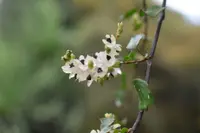
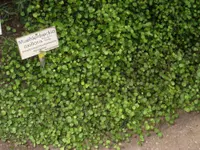
Maidenhair vine (Muehlenbeckia complexa) is a fine-textured, twining shrub often grown as a trailing or climbing houseplant. It forms dense mats of wiry, dark stems covered with many tiny, round green leaves.
In the wild it occurs in New Zealand and nearby islands, where it scrambles over rocks and shrubs in coastal and open habitats. Its fast growth and flexible stems make it suitable for hanging baskets, pots, and small topiaries.
This plant is generally easy to manage if its basic needs are met. Light, regular moisture, and a well-drained potting mix are the main points to understand when learning how to care for Maidenhair vine.

Care Difficulty
Moderate Care

Light Preference
Partial Sun

Water Requirements
Regular Water

Temperature Preference
Warm Climate

Hardiness Zone
8–10

Soil Texture
Sandy, Loamy, Organic-rich

Soil pH
Acidic (5.5–6.5), Slightly acidic (6.5–7.0)

Soil Drainage
Moist but well-drained

Fertilization
Light (every 4–6 weeks)
Scan your plant to receive care tips personalized for your specific plant
Available on iOS and Android
This twining vine prefers bright but gentle light to keep foliage dense and green.
This plant prefers evenly moist, well-drained soil rather than extremes of wet or dry.
This vine grows best in mild, frost-free conditions with stable temperatures.
This species grows best with moderate to slightly elevated humidity and dislikes very dry air.
This plant prefers a loose, well-aerated mix that drains freely but does not dry out too fast.
This species is well suited to container growing, where its trailing and spreading habit can be controlled.
This plant responds well to light, consistent feeding during its active growing season.
Pruning helps keep Muehlenbeckia complexa dense, tidy, and within bounds.
Container-grown plants benefit from occasional repotting to prevent root binding and decline.
This species is commonly propagated from softwood cuttings or by simple division of dense clumps.
This plant is moderately cold tolerant but benefits from basic winter precautions in colder regions.

Plant Health Check
Not sure what's wrong with your plant? Check your plant's health inside the app.
The plant produces very slender, dark brown to black stems with a wiry, almost metallic appearance that can form dense, elastic mats over rocks and soil. These stems are highly flexible, allowing the plant to withstand strong coastal winds in its native New Zealand habitats.
Its leaves are usually only 2–7 mm across, round to slightly heart-shaped, and drop readily in response to drought or cold, helping the plant conserve resources. This small leaf size also reduces water loss through transpiration, which is useful in exposed coastal sites.
Outside its native range, this species has naturalized and become invasive in some mild-climate regions such as parts of coastal California. It can smother low vegetation and rock surfaces, so responsible disposal and containment are important when growing Muehlenbeckia complexa.

In some New Zealand coastal ecosystems, dense mats of this species help stabilize sandy or rocky substrates, creating sheltered microhabitats where the seedlings of less hardy native plants can establish and grow.
This species has very slender, wiry stems that both trail and scramble. It naturally spreads along the ground or over nearby structures, rooting where stems touch soil, and can also be lightly trained to climb low supports or trellises.
Keep your plants happy and healthy with plant identification, disease detection, and easy care guidance.