Emerald-Ripple Peperomia Care (Peperomia caperata)

About Emerald-Ripple Peperomia

Emerald-ripple peperomia (Peperomia caperata) is a compact tropical houseplant grown mainly for its textured foliage rather than flowers. It belongs to the pepper family and stays naturally small, which makes it suitable for desks, shelves, and small indoor spaces.

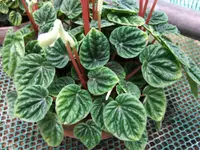
The leaves are heart-shaped with deep ripples and can range from dark green to silvery or reddish tones, depending on the cultivar. It grows as a clumping plant rather than trailing, forming a neat mound over time.

P. caperata originates from the understory of Brazilian rainforests, so it prefers moderate light, stable warmth, and lightly moist but airy soil. Its slow, tidy growth and tolerance of typical indoor conditions make it straightforward to care for Emerald-Ripple Peperomia.

Main Plant Requirements

Care Difficulty

Easy Care

Light Preference

Bright Indirect Light

Water Requirements

Moderate Water

Temperature Preference

Tropical / Frost Sensitive

Hardiness Zone

11–12

Soil Texture

Loamy, Peaty, Organic-rich

Soil pH

Acidic (5.5–6.5), Slightly acidic (6.5–7.0)

Soil Drainage

Well-drained

Fertilization

Light (every 4–6 weeks)

Get Personalized Care Plan

Scan your plant to receive care tips personalized for your specific plant

Personalized Care in the App

Available on iOS and Android

How to Care for the Emerald-Ripple Peperomia

Peperomia caperata prefers bright, indirect light and is sensitive to harsh sun exposure.

  • Provide 6–8 hours of bright, filtered light daily, such as near an east-facing window with sheer curtains or under light shade outdoors.
  • Tolerates partial shade and lower light, but growth becomes looser and leaves may lose some texture if light is too dim.
  • Avoid strong midday or afternoon sun, which can scorch the wrinkled leaves of Emerald-Ripple Peperomia; shift slightly closer to windows in winter to compensate for weaker light.

Peperomia caperata stores some moisture in its leaves and prefers moderate, careful watering.

  • Water only when the top 2–4 cm of soil feels dry, using enough water so excess drains freely from the root zone.
  • Use a loose, well-draining mix; signs of overwatering include yellowing, soft leaves and a sour soil smell, while persistent drooping with dry soil suggests underwatering.
  • Reduce watering in winter when growth slows, allowing the soil to dry a bit deeper, but avoid letting the root ball stay completely dry for many days.

This species grows best in stable, warm conditions without sudden temperature swings.

  • Ideal growth occurs at 65–80°F (18–27°C), with consistent temperatures helping maintain compact, healthy foliage.
  • Protect from cold; growth slows below 60°F (16°C), and damage can occur near 50°F (10°C), so avoid placing it where cold drafts or open windows hit it in winter.
  • Tolerates short heat spells up to about 85°F (29°C) if humidity is moderate and soil is not waterlogged, but it is not frost-hardy and must be kept away from freezing conditions.

This species prefers moderate household humidity and only needs higher levels in very dry homes.

  • Aim for 40–60% humidity; Emerald-Ripple Peperomia tolerates brief dips lower but may grow more slowly.
  • Crisping leaf edges, puckering beyond the natural ripples, and stalled new growth can indicate air that is too dry.
  • Increase humidity with a nearby pebble tray, grouping plants, or placing the pot away from heating or AC vents.

This plant needs a loose, airy mix that drains quickly but holds some moisture around the fine roots.

  • Use a peat- or coco-based mix with added perlite and fine orchid bark to create a chunky, organic-rich structure.
  • Ensure very fast drainage; the soil should feel moist but never heavy, sticky, or waterlogged after watering.
  • Slightly acidic to neutral pH around 6.0–7.0 suits Peperomia caperata, which dislikes strongly alkaline mixes.
  • Improve aeration by using a shallow layer of coarse bark or pumice near the bottom of the mix instead of dense garden soil.

This species is well suited to container growing due to its compact, shallow root system.

  • Choose a wide, shallow pot so roots spread horizontally and the mix dries evenly between waterings.
  • Select a container material that matches your environment; porous terracotta reduces moisture in humid homes, while plastic retains moisture longer in dry rooms.
  • Use a pot with multiple drainage holes and elevate it slightly so excess water clears quickly away from the base.

Peperomia caperata benefits from modest, controlled feeding during the active growing season.

  • Use a balanced liquid fertilizer (such as 10-10-10) at 1/4–1/2 strength for Emerald-Ripple Peperomia.
  • Feed every 4–6 weeks from spring through early fall when growth is active.
  • Skip fertilizer in winter or when growth slows to prevent salt buildup and weak, leggy growth.
  • Avoid compost-heavy mixes or strong slow-release pellets that can overfeed the compact root system.

Peperomia caperata needs only light pruning to keep a compact, tidy shape.

  • Best time to prune is in spring or early summer when the plant is actively growing.
  • Pinch or snip soft stem tips to encourage bushier growth and maintain a low, mounded form.
  • Remove yellowing, dead, or damaged leaves at the base to improve air movement and reduce disease risk.
  • Use clean, sharp scissors or small pruners, disinfected with alcohol, to make precise cuts.

This species prefers slightly tight quarters and only needs infrequent repotting.

  • Repot every 2–3 years in spring when roots circle the pot, push through drainage holes, or growth slows.
  • Choose a shallow container only 2–3 cm wider, with drainage, and use a loose, peat-free or peat-reduced houseplant mix.
  • Slide the plant out gently, loosen the outer roots lightly, and avoid heavy root cutting to limit stress.
  • Water lightly after repotting, keep in bright indirect light, and hold off on fertilizer for 2–3 weeks.

Peperomia caperata is commonly propagated from cuttings rather than seed.

  • Take leaf or stem cuttings in late spring or summer when growth is strongest.
  • For stem cuttings, include 2–3 nodes, remove lower leaves, and place in moist, well-draining mix or water.
  • Leaf cuttings can be sliced across veins and laid on barely moist substrate to form new plantlets.
  • Maintain 70–80°F warmth, high humidity, and bright, indirect light until roots form and new growth appears.

This tropical houseplant is not frost hardy and must be kept above cold outdoor temperatures in winter.

  • Maintain indoor temperatures around 65–75°F, avoiding drafts from windows or exterior doors.
  • Allow the top of the soil to dry more between waterings, as winter growth slows and roots rot more easily.
  • Ensure bright, indirect light by moving closer to a window or using a small grow light if days are very short.
  • Do not place pots directly on cold windowsills; use a tray or insulating mat to keep roots warmer.

Care Tips

Rotate For Symmetry

Turn the pot 90° every 1–2 weeks to keep the rosette compact and evenly shaped, preventing the leaves from stretching more on the light-facing side.


Leaf-Only Propagation

Take a healthy leaf with 1–2 cm of petiole, insert just the petiole into a barely moist, airy mix, and cover with a ventilated dome to root new plants while keeping the leaf blade dry to reduce rot risk.

Prevent Crown Rot

When watering, direct water at the potting mix edge rather than over the leaf rosette so the central crown stays dry, which significantly reduces fungal and bacterial issues.

Check For Hidden Mealybugs

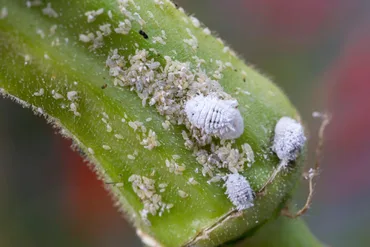
Inspect the undersides of the corrugated leaves and where petioles meet the stem every month, wiping any white cottony clusters with a cotton swab dipped in 70% isopropyl alcohol before they spread.

Seasonal Light Shift

In winter, move the plant closer to a bright window or use a small LED grow light for 8–10 hours to maintain compact growth and leaf color when growing Emerald-Ripple Peperomia in low natural light conditions.

Common Pests and Diseases

Mealybugs

This pest appears as white, cottony clusters tucked into leaf folds, between ripples, and at stem joints. Symptoms include sticky honeydew on leaves and slow, distorted growth.

Solution

Isolate the plant, then dab visible insects with cotton swabs dipped in 70% isopropyl alcohol and gently wipe along the rippled leaves. Repeat weekly and, for heavier infestations, use a ready-to-use insecticidal soap or neem oil spray, ensuring the spray reaches crevices between the wrinkled leaves while keeping the plant out of direct sun until dry.

Fungus gnats

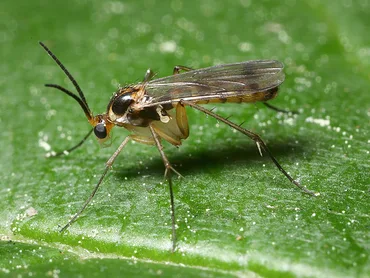
These insects are small, dark flies that hover around the pot and crawl on the soil surface. Symptoms include soggy soil, reduced growth, and in severe cases fine root damage in compact potting mixes kept too wet.

Solution

Allow the top 3–4 cm of soil to dry between waterings, then use yellow sticky traps to catch adults. For persistent problems, drench the soil with a biological control containing Bacillus thuringiensis israelensis (BTI) and repot into a fresh, airy mix with good drainage to support healthier, less saturated roots when growing Emerald-Ripple Peperomia.

Spider mites

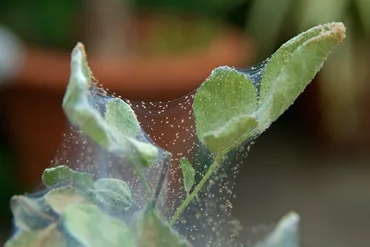
These pests are tiny and often invisible to the naked eye, but symptoms include very fine webbing on leaf undersides and dull, stippled patches on the textured leaves. Warm, dry indoor air increases the risk on compact foliage.

Solution

Rinse the plant thoroughly under a gentle shower or sink spray, focusing on leaf undersides and petioles, then let excess water drain fully. Follow with insecticidal soap or neem oil sprayed every 5–7 days for several cycles and, if possible, raise humidity slightly around the plant to discourage reinfestation without keeping the soil wet.

Edema

This physiological disorder causes corky, blister-like spots or raised bumps on leaves when roots absorb water faster than leaves can release it. Symptoms include rough, tan or brown patches, often on older leaves, while new growth may appear relatively normal once conditions improve.

Solution

Reduce watering frequency so the top soil dries slightly before watering again and avoid letting the plant sit in saucer water. Provide bright, indirect light and stable temperatures, and improve air movement around the foliage to help leaves transpire excess moisture more evenly.

Leaf spot (fungal or bacterial)

This disease causes small, water-soaked or dark spots on the fleshy, rippled leaves that may enlarge and merge, sometimes causing yellow halos or soft tissue. High humidity with poor air movement and wet leaves favors spread on this dense, compact plant.

Solution

Promptly remove and discard affected leaves, then avoid overhead watering and splashing water on the foliage. Improve air circulation, space plants so leaves do not stay wet, and if spots continue to appear, use a labeled copper-based or other houseplant-safe fungicide, following the product directions carefully.

Interesting Facts

Native forest habitat

This species originates from the understory of Brazil’s Atlantic rainforest, where it grows on shaded, humid forest floors and on decaying wood as an epiphyte or lithophyte, rather than in full sun.

Rippled leaf anatomy

Its deeply corrugated, heart-shaped leaves are formed by pronounced leaf surface ridges and grooves that increase surface area, influencing how light is captured and how water droplets move across the blade.

Compact, slow-growing rosettes

The plant naturally forms dense, low rosettes that rarely exceed about 20 cm in height, an adaptation to life in low-light forest understories where staying compact reduces water loss and mechanical damage.

Botan icon

Did you know?

In its native range, this species often grows on rotting logs and tree bases as a hemiepiphyte, using its thick, succulent-like leaves and fleshy stems to store water and survive short dry spells despite living in a generally humid rainforest environment.

FAQs about Emerald-Ripple Peperomia

Leaf curling usually results from inconsistent moisture, low humidity, or cold drafts. Check that the pot drains well, allow the mix to partially dry between waterings, maintain stable indoor temperatures, and avoid placing the plant near heaters or air conditioners.

Grow Healthy Plants with Botan Care

Keep your plants happy and healthy with plant identification, disease detection, and easy care guidance.

Botan plant care app — identify plants on mobile

Explore More Plants