Control Legginess Early
Cut back stretched stems to just above a leaf node as soon as they appear, which redirects energy into side shoots and keeps the plant compact.

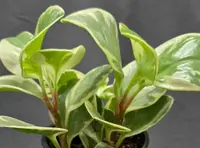
It is a compact evergreen houseplant that belongs to the pepper family. Many people choose it for indoor growing for its neat form and low-maintenance nature.
In the wild, it typically grows under forest canopies, and therefore, it likes partial shade. Because of its slow growth and resilience, learning how to care for a baby rubber plant is simple, even for beginners. This pet-friendly houseplant is a practical choice for homes with cats or dogs.

Care Difficulty
Easy Care

Light Preference
Partial Shade

Water Requirements
Moderate Water

Temperature Preference
Tropical / Frost Sensitive

Hardiness Zone
10–12

Soil Texture
Loamy, Organic-rich

Soil pH
Slightly acidic (6.5–7.0), Neutral (7.0)

Soil Drainage
Well-drained

Fertilization
Light (every 4–6 weeks)
Scan your plant to receive care tips personalized for your specific plant
Available on iOS and Android
In a natural environment, trees protect Peperomia obtusifolia from the bright sun. Indoors, you should do the same to prevent sunburn.
This plant prefers moderate watering in soil, but note that it should partially dry between waterings. Water about every 7-10 days during active growth, and make sure excess water drains freely.
Note: Consistently wet soil can lead to yellowing leaves and root problems. At the same time, long dry periods affect the growth and health of the foliage.
The baby rubber plant prefers stable temperatures. Consistent warmth supports healthy growth and prevents stress for this tropical species.
Humidity is not a very important factor to pay attention to, as Peperomia obtusifolia tolerates a wide range of indoor humidity levels without issues. However, it likes high humidity in summer, so consider setting this species in a humidified room or on wet pebbles.
It is better to select loose, well-aerated soil that drains quickly. The plant isn't too fussy but likes a fertile potting mix.
Keep in mind: This plant prefers humid soil but dislikes wet feet, which leads to root rot.
You will not face problems with growing your baby rubber plant at home in a pot. Just choose the container properly: choose it slightly wider than the root ball, and consider using terracotta pots. They help regulate moisture, as the material allows evaporation, which reduces the risk of overwatering.
Note: For small and medium plants, choose a pot with a diameter of 4-6 inches (10-15 cm). For bigger houseplants, consider 6-8 inches (15-20 cm) in diameter.
Feeding the plant supports steady growth, but should be applied lightly to avoid buildup. Don’t do this very often.
Peperomia obtusifolia benefits from light pruning. Do it during the active growing season to maintain shape and keep an attractive appearance. Trim leggy or elongated stems in spring or summer and remove any yellowing, damaged, or weak leaves to keep the plant healthy and tidy.
Note: If your baby rubber plant becomes leggy and sends out a long stem, you can trim it back without harming the plant. Root the removed cutting to grow a new plant.
Repotting is not a procedure that is recommended to be done often. However, it is sometimes needed for container-grown plants. Repot Peperomia obtusifolia every 2-3 years in spring or summer to give time for recovery before winter. Gently loosen the root ball and avoid breaking thick roots.
Tip: Choose a special mix in the shop to guarantee that the plant takes root. It should include perlite, coco coir, or peat moss.
Peperomia obtusifolia is usually propagated with stem tip cuttings or division. The first method is faster and simpler:
Tropical species are sensitive to cold temperatures and winds, so you should keep the warmth at home during fall and winter. Keep temperatures above 60°F (16°C) and avoid placing plants near drafts or windows. Also, provide adequate light, as shorter days may require moving pots closer to a bright window or lamp.

Plant Health Check
Not sure what's wrong with your plant? Check your plant's health inside the app.
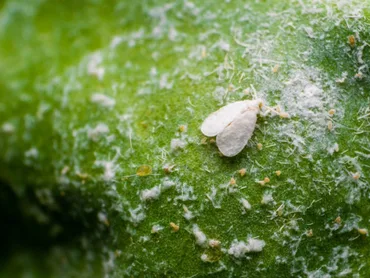
This pest appears as tiny white insects clustering on the undersides of leaves. They often fly up in a cloud when the plant is disturbed.
They feed on sap, causing gradual yellowing and sticky residue.
Solution
Rinse leaves thoroughly with water to dislodge them, then apply insecticidal soap or neem oil to leaf undersides every 7-10 days until the infestation is controlled.
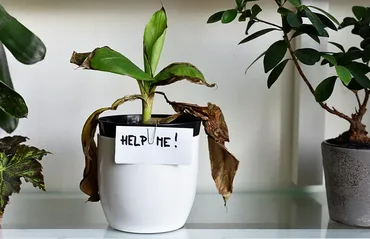
This condition develops when roots sit in consistently wet soil, leading to poor oxygen availability and tissue breakdown.
Symptoms include yellowing leaves, soft stems, leaf drop, and a general decline in plant health.
Solution
Let the top layer of soil dry before watering again.
Make sure excess water drains freely, and trim any damaged roots or stems to stabilize your Peperomia obtusifolia.
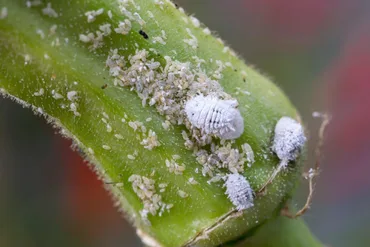
These insects form white masses along stems and leaf joints. There, they feed on plant sap and reduce vigor.
Infestations can lead to distorted growth, leaf drop, and sticky honeydew (and to mold after some time).
Solution
Remove visible pests with a cotton ball in alcohol, then treat regularly with insecticidal soap while checking hidden areas for reinfestation.
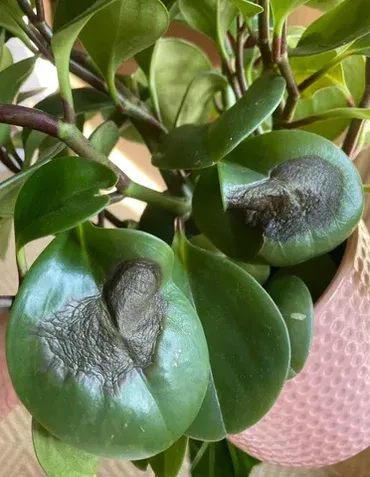
The disease appears as circular or ring-shaped markings on leaves, often with lighter centers and darker edges.
It can distort foliage over time and is usually associated with viral infections or prolonged moisture on the leaves.
Solution
Remove and discard affected leaves promptly. Also, isolate the baby rubber plant to prevent spread, and avoid handling healthy plants after contact.
Keep good hygiene and control pests that may transmit viruses.
Peperomia obtusifolia is not a succulent, but its fleshy leaves store water, allowing it to tolerate short dry periods better than many other tropical species.
Peperomia obtusifolia is often mistaken for Peperomia magnoliifolia because they look very similar, especially in dried specimens.
That's why some earlier botanists considered these two names just synonyms.
The genus name comes from the Greek words "peperi", meaning “pepper,” and homoios, meaning “resembling.”
It refers to the plant’s resemblance to true black pepper (Piper nigrum).

Did you know? This plant has received the Royal Horticultural Society’s Award of Garden Merit, a distinction given to plants considered especially reliable, attractive, and well-suited to garden cultivation.
Brown leaf edges usually come from low humidity, underwatering, or fertilizer burn. Large brown patches or mushy spots point to root rot or cold damage. Trim affected leaves, correct watering, and avoid direct blasts from heaters or AC vents.
Keep your plants happy and healthy with plant identification, disease detection, and easy care guidance.