Friendship Plant Care (Pilea involucrata)

About Friendship Plant

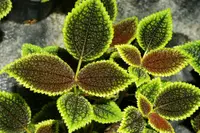
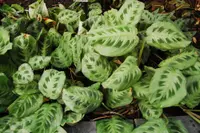
The friendship plant, Pilea involucrata, is a compact tropical houseplant valued for its textured leaves and low, mounding growth habit. It is often grown in small pots or terrariums. Native to Central and South American rainforests, it prefers warm, sheltered conditions and steady moisture. Its leaves are typically deep green with raised, quilted surfaces and sometimes bronze or reddish tones. This species is considered relatively easy indoors as long as it is protected from harsh sun and dry air. It suits beginners who want to learn how to care for Friendship Plant without complex routines.

Main Plant Requirements

Care Difficulty

Moderate Care

Light Preference

Bright Indirect Light

Water Requirements

Keep Soil Moist

Temperature Preference

Tropical / Frost Sensitive

Hardiness Zone

11–12

Soil Texture

Loamy, Peaty, Organic-rich

Soil pH

Acidic (5.5–6.5), Slightly acidic (6.5–7.0)

Soil Drainage

Moist but well-drained

Fertilization

Light (every 4–6 weeks)

Get Personalized Care Plan

Scan your plant to receive care tips personalized for your specific plant

Personalized Care in the App

Available on iOS and Android

How to Care for the Friendship Plant

This plant prefers soft, filtered light that mimics a shaded tropical understory.

  • Provide bright, indirect light for 8–12 hours daily, such as near an east window or behind a sheer curtain in brighter exposures.
  • Tolerates light shade, but growth becomes sparse and leaves lose color if kept too far from a window or under very dense canopy.
  • Avoid strong midday and afternoon sun, which can cause leaf scorch and crispy edges; increase distance from glass in summer or add sheer screening.

This species prefers steadily moist but never waterlogged soil.

  • Water when the top 2–3 cm of soil feel dry, using enough water so excess drains away, then discard any standing water from saucers or cachepots.
  • In spring and summer, expect to water more often as growth and evaporation increase; reduce frequency in fall and winter while still preventing complete drying.
  • Watch for limp, curling leaves and very light pots as signs of underwatering, and yellowing lower leaves or a sour smell from the mix as signs of overwatering in Pilea involucrata.

This plant prefers warm, stable conditions with no exposure to frost.

  • Aim for 65–80°F (18–27°C) for steady growth, with the most comfortable range around 68–75°F (20–24°C).
  • Protect from temperatures below 55°F (13°C); brief drops near this level can slow growth, while frost will quickly kill foliage and stems.
  • It tolerates short heat spells up to about 86°F (30°C) if humidity is moderate and soil does not dry out fully, but avoid hot, drying drafts from heaters or sunbaked windows.

This species prefers moderately humid air and reacts quickly to dry conditions.

  • Aim for 50–60% humidity; it tolerates brief dips to 40% but prolonged dry air causes stress.
  • Watch for curling, crisp leaf edges, and stalled growth as signs humidity is too low for Friendship Plant.
  • Increase humidity with a pebble tray under the pot, grouping plants, or a small humidifier placed nearby.

This plant prefers a loose, airy mix that holds moisture but drains quickly.

  • Use a peat- or coco-based mix with plenty of organic matter and added perlite for structure and aeration.
  • Aim for slightly acidic to neutral pH around 6.0–7.0, which supports nutrient availability for Pilea involucrata.
  • Combine roughly 2 parts potting mix with 1 part perlite and 0.5 part fine bark to enhance drainage and root oxygenation.
  • Avoid heavy garden soil, dense clay-based mixes, or containers that stay waterlogged, as these promote root rot.

This species is well suited to container growing due to its compact, spreading habit.

  • Choose a shallow, wide pot to allow lateral stem spread while preventing unused, wet lower substrate.
  • Select a container material that matches your watering style; porous terracotta dries faster than plastic and reduces waterlogging risk.
  • Ensure drainage holes are unobstructed and empty cachepots promptly to prevent the root zone from sitting in stagnant water.

Pilea involucrata benefits from light, consistent feeding during its active growing season.

  • Use a balanced liquid fertilizer (such as 10-10-10 or 20-20-20) diluted to 1/4–1/2 strength.
  • Apply every 4–6 weeks in spring and summer, on already moist soil to avoid root burn.
  • Pause feeding in late fall and winter when growth slows under lower light.
  • A small amount of fine compost mixed into potting soil can support long-term nutrient availability.

Pruning helps Pilea involucrata stay compact, dense, and healthy in indoor conditions.

  • Best time is in spring or early summer, when growth is actively resuming.
  • Use clean, sharp scissors to remove dead, yellowing, or damaged leaves and stems.
  • Shorten leggy or elongated stems just above a leaf node to encourage branching and fuller growth.
  • Pinch soft tips periodically to maintain a low, mounded habit and reduce the chance of stems snapping.

Repotting keeps the root system healthy and supports even, moderate growth for this plant.

  • Repot every 1–2 years in spring when roots circle the pot, push through drainage holes, or growth slows.
  • Choose a container 2–3 cm wider, with drainage, and use a light peat-free indoor mix with added perlite.
  • Water lightly before repotting, loosen root circling gently, and trim only severely damaged roots.
  • After repotting, water thoroughly once, then keep in bright, indirect light and slightly drier soil for 1–2 weeks to limit stress.

Pilea involucrata is commonly propagated from stem cuttings taken from healthy, non-woody shoots.

  • Take 7–10 cm cuttings in spring or early summer, cutting just below a node with clean scissors.
  • Remove lower leaves and place the node in water or a moist, well-drained mix of perlite and potting soil.
  • Maintain bright, indirect light, high humidity (50–70%), and temperatures around 68–75°F for rooting.
  • Transplant rooted cuttings into small pots and pinch tips to encourage branching and a fuller plant.

This tropical species needs indoor winter care in most climates, as it is not frost tolerant.

  • Move containers indoors before temperatures drop below 55°F and avoid cold drafts or window condensation.
  • Maintain indoor temperatures around 65–75°F with stable humidity; use a pebble tray if air is very dry.
  • Reduce watering so the top 2–3 cm of soil dry out between waterings, preventing cold, soggy conditions.
  • Remove any cold-damaged foliage with clean scissors to limit rot and encourage healthy regrowth in spring.

Care Tips

Encourage Bushy Growth

Pinch back the soft tips of each stem every 4–6 weeks to keep plants compact and encourage dense side-branching rather than long, weak shoots.

Use Shallow Containers

Grow plants in wide, relatively shallow pots to accommodate their naturally spreading habit and make it easier to root and separate healthy stem cuttings.

Refresh Leggy Plants

If stems become bare at the base, take 5–8 cm tip cuttings, root them in the same pot around the old plant, then remove the oldest, woodiest stems once the new growth is established.

Create Pebble Tray Buffer

Place the pot on a pebble tray with water below the pot base to slightly increase local humidity and buffer the plant from rapid moisture loss caused by indoor heating or air conditioning.

Routine Pest Check

Inspect leaf undersides and stem nodes every 1–2 weeks for early signs of spider mites or mealybugs and isolate, rinse, and treat immediately, as tight foliage clusters can hide small infestations when caring for Friendship Plant.

Common Pests and Diseases

Spider mites

This pest thrives in dry indoor air and feeds on leaf sap, causing pale stippling, rough texture, and fine webbing on the undersides of the textured leaves.

Solution

Rinse foliage thoroughly under a gentle shower, including leaf undersides, then repeat every few days; increase humidity to 50–60% and isolate the plant. For persistent infestations, apply insecticidal soap or a neem oil solution to all leaf surfaces, following label directions for Pilea involucrata care.

Mealybugs

These insects hide in leaf axils and along stems, appearing as white cottony clusters that cause leaf distortion, yellowing, and sticky honeydew on nearby surfaces.

Solution

Dab visible mealybugs with cotton swabs dipped in isopropyl alcohol (70%) and remove heavily infested leaves if possible. Follow up with 2–3 treatments of insecticidal soap or neem oil at 7–10 day intervals, checking tightly packed stems and leaf joints carefully.

Fungal leaf spot

This disease shows as small water-soaked or brown spots on leaves that may enlarge, merge, and develop yellow halos, especially in plants kept constantly wet or crowded with poor airflow.

Solution

Remove and discard affected leaves and avoid wetting foliage when watering. Improve air circulation, space plants apart, and if spotting continues, use a labeled copper or chlorothalonil-based fungicide, applied lightly to the foliage according to indoor ornamental plant directions.

Edema

Symptoms include corky, blister-like bumps or rough patches on leaves when roots absorb water faster than leaves can transpire, often in cool, low-light conditions with soggy soil.

Solution

Allow the top 2–3 cm of soil to dry between waterings and avoid leaving the pot standing in water. Provide brighter indirect light, maintain moderate temperatures around 68–75°F, and improve air movement to reduce excess moisture in the potting mix.

Thrips

These insects scrape and suck leaf tissue, causing silvery streaks, deformed new growth, and dark specks of excrement on the leaf surface, which are especially noticeable on the textured foliage of this species.

Solution

Trim and discard badly damaged shoots, then rinse the plant under lukewarm water. Use sticky traps to monitor adults and treat foliage, especially new growth, with insecticidal soap or neem oil every 7–10 days until no new damage appears.

Interesting Facts

Textured leaf surface

The leaves have a strongly bullate surface, meaning the tissue between veins is raised and blistered, which increases surface area and likely improves light capture under the dim understory conditions of its native Central and South American forests.

Clonal mat former

In its natural habitat, this species spreads laterally by creeping stems that root at the nodes, allowing it to form dense, low mats that cover the forest floor and help stabilize the top layer of moist soil.

Shade understory origin

Pilea involucrata naturally occurs in humid, shaded tropical understories where light levels are low and air humidity is constantly high, which explains its strong preference for diffuse light and evenly moist, but not waterlogged, substrate in cultivation.

FAQs about Friendship Plant

Brown leaf edges usually come from low humidity, underwatering, or fertilizer burn. Check soil moisture, avoid letting the mix fully dry, increase humidity, and flush excess fertilizer salts. Direct hot sun can also scorch and brown leaves.

Grow Healthy Plants with Botan Care

Keep your plants happy and healthy with plant identification, disease detection, and easy care guidance.

Botan plant care app — identify plants on mobile

Explore More Plants