Controlled cluster division
Divide congested clumps every 2–3 years by lifting the plant, gently teasing apart offsets, and replanting only the firm, well-rooted pieces to keep growth compact and prevent woody, bare centers.

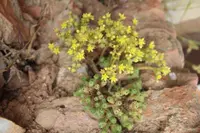
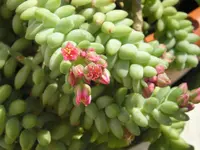
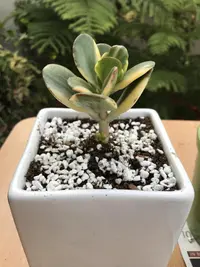
The miniature Joshua tree, Sedum multiceps, is a small, woody-based succulent forming clusters of tiny, tree-like rosettes on branching stems. It stays compact, which makes it suitable for containers, rock gardens, and small indoor displays.
This species is native to Algeria, where it grows in dry, sunny habitats with fast-draining, poor soils. Its fleshy leaves store water, giving it good drought tolerance and making it forgiving of occasional missed waterings.
Slow to moderate growth, a preference for bright light, and low water needs generally make it easy to care for Miniature Joshua Tree, as long as excess moisture is avoided.

Care Difficulty
Easy Care

Light Preference
Full Sun

Water Requirements
Low Water

Temperature Preference
Warm Climate

Hardiness Zone
9–11

Soil Texture
Sandy, Loamy, Rocky

Soil pH
Slightly acidic (6.5–7.0), Neutral (7.0)

Soil Drainage
Well-drained

Fertilization
Minimal (feed rarely)
Scan your plant to receive care tips personalized for your specific plant
Available on iOS and Android
Sedum multiceps needs bright conditions that mimic its sunny North African habitat.
Watering Sedum multiceps should favor dry conditions and fast drainage.
This species prefers warm, dry conditions and tolerates a fair amount of heat when acclimated.
This species handles typical indoor humidity well and rarely needs special adjustments.
Sedum multiceps prefers very fast-draining, mineral-rich substrate that mimics rocky, arid habitats.
This species is well suited to container growing, including small decorative pots and shallow dishes.
Sedum multiceps needs only light feeding to support compact, healthy growth in containers or poor soils.
Sedum multiceps benefits from light, periodic pruning to keep the clump compact and tidy.
This shallow-rooted sedum prefers infrequent repotting and careful handling to avoid root disturbance.
This species is commonly multiplied from stem cuttings and offsets, which root reliably in warm, dry conditions.
Sedum multiceps is fairly cold tolerant in dry, mild-winter climates and usually needs minimal winter care.

Plant Health Check
Not sure what's wrong with your plant? Check your plant's health inside the app.
This species develops a woody, branching structure with tufts of leaves at the tips, giving mature plants a strong visual resemblance to a tiny Joshua tree, which is unusual among Sedum species.
Sedum multiceps is native to arid regions of Algeria in North Africa, where it naturally experiences strong sun, low rainfall, and well-drained rocky or sandy soils.
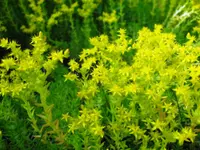
In suitable conditions it produces clusters of small, star-shaped yellow flowers in summer, which attract pollinating insects and briefly cover the plant’s branch tips.

In its native range, Sedum multiceps often grows in shallow soil pockets over rock, where its shallow, fibrous roots exploit brief moisture pulses from rare rains, allowing it to occupy niches that many other succulents cannot colonize sustainably.
This species usually blooms in summer when mature and not stressed. Sparse flowering often comes from insufficient light, too much shade, recent repotting, or heavy feeding. Stable, bright conditions and a short dry rest period before summer encourage buds.
Keep your plants happy and healthy with plant identification, disease detection, and easy care guidance.