Tillandsia streptophylla Care

About Tillandsia streptophylla

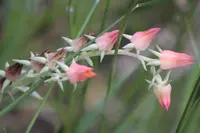
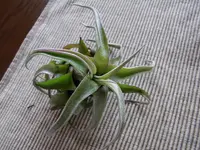
Tillandsia streptophylla is an epiphytic air plant from dry forests in Mexico, Central America, and the Caribbean. It usually grows on trees rather than in soil. Its thick, curling leaves are covered with fine scales that help it absorb water and nutrients from the air, giving the plant a soft, silvery look. As it matures, it forms a rosette that can blush with color when ready to bloom. This species is considered relatively easy to grow indoors if given bright light, good air flow, and regular moisture. For many beginners, learning how to care for Tillandsia streptophylla is a straightforward introduction to air plants.

Main Plant Requirements

Care Difficulty

Moderate Care

Light Preference

Bright Indirect Light

Water Requirements

Low Water

Temperature Preference

Tropical / Frost Sensitive

Hardiness Zone

10–12

Soil Texture

Sandy, Rocky, Organic-rich

Soil pH

Acidic (5.5–6.5), Slightly acidic (6.5–7.0)

Soil Drainage

Well-drained

Fertilization

Light (every 4–6 weeks)

Get Personalized Care Plan

Scan your plant to receive care tips personalized for your specific plant

Personalized Care in the App

Available on iOS and Android

How to Care for the Tillandsia streptophylla

This species prefers bright, indirect light that mimics bright, open shade in its native habitats.

  • Provide 6–8 hours of bright, filtered light daily, such as dappled tree shade or light behind a sheer curtain.
  • Allow gentle morning sun for 1–3 hours, but protect from strong midday and afternoon sun, which can scorch leaves and cause bleaching.
  • In summer, shield from intense sun; in winter, move to a brighter spot or closer to a window to compensate for shorter days.

Watering should fully hydrate the plant, then allow it to dry quickly before the next soak.

  • In warm months, thoroughly soak or mist 2–3 times per week, ensuring water reaches the leaf bases, then let the plant dry within 4 hours.
  • In cooler or very humid conditions, reduce to 1–2 waterings per week to prevent rot; leaf bases staying wet or turning brown signals overwatering.
  • Curled, rolled leaves suggest the plant is too dry, while soft, mushy or darkened areas indicate excess moisture and the need to water less.

Stable, warm conditions support steady growth and reduce stress.

  • Aim for 65–80°F (18–27°C) for best growth, with good air movement to mimic its native, airy environments.
  • Avoid prolonged exposure below 45°F (7°C); frost will damage tissue, so move plants under cover before cold nights.
  • This species tolerates short spikes up to about 90–95°F (32–35°C) if humidity and airflow are high, but extended extreme heat can cause leaf tip browning.

This air plant prefers moderately humid air but tolerates brief drier periods if watered correctly.

  • Aim for 50–70% humidity, with extra attention in heated or air-conditioned rooms where air dries out.
  • Crisping leaf tips and leaves curling tighter than usual can indicate low humidity stress rather than underwatering alone.
  • Increase humidity by grouping air plants, placing near (not on) a humidifier, or setting above a water-filled pebble tray without wetting the base constantly.

Tillandsia streptophylla does not grow in soil and should never be planted in a potting mix.

  • Keep the plant mounted on wood, cork, stone, or placed loosely in a decorative container so air circulates freely around all sides.
  • Avoid any peat, compost, or potting soil, which traps moisture around the base and encourages rot in this epiphytic species.
  • If displaying with moss, use only a thin, dry layer and ensure it dries quickly after misting or soaking.
  • Choose airy display setups that let water drain or drip away within minutes, preventing prolonged surface wetness.

This species adapts well to container display as long as the vessel does not trap water around the plant.

  • Use shallow, wide containers that cradle the plant while leaving plenty of open space for air movement around the leaves.
  • Choose porous materials like unglazed ceramic to let residual moisture evaporate faster after misting or soaking.
  • Position the plant raised on stones, shells, or a mesh insert so any runoff collects below without touching the base.

Light feeding supports Tillandsia streptophylla without overwhelming its minimal root system.

  • Use a balanced, low-copper epiphyte or orchid fertilizer diluted to 1/4–1/2 strength in water.
  • Feed every 4–6 weeks during spring–summer while plants are actively growing.
  • Mist or dunk plants in the diluted solution, then allow them to dry within 4 hours.
  • Reduce feeding to 1–2 times across fall–winter or pause entirely in low light.

Pruning needs for Tillandsia streptophylla are minimal and mainly cosmetic.

  • Best time is late winter to early spring, before strong new growth begins.
  • Remove only dead, brown, or damaged leaves by gently pulling or trimming at the base with clean scissors.
  • Clip dried flower spikes once they fade to keep the plant tidy and redirect resources to pups.
  • Avoid cutting into healthy, firm tissue, which can slow growth or invite rot.

This air plant is usually mounted rather than potted, so focus on remounting rather than classic repotting.

  • Remount when the clump outgrows its support, becomes unstable, or dries too slowly between waterings.
  • Choose warm weather in spring–summer to reduce stress and encourage quick recovery.
  • Gently detach the base from its old mount, keeping the small root pads and pups intact.
  • Secure onto new cork, wood, or wire frame using soft ties or non-toxic glue, avoiding smothering the base.

Propagation of Tillandsia streptophylla is most reliable through offsets called pups.

  • Allow pups to reach at least 1/3–1/2 the size of the parent before removing.
  • Best season for division is spring–summer, when warmth and light support active growth.
  • Gently twist or cut pups away at the base using sterile scissors if they do not separate cleanly.
  • Place pups in bright, indirect light with good air movement and follow normal watering to encourage establishment.

In cool climates this species needs protection from frost and prolonged cold.

  • Avoid exposure below about 40°F; freezing temperatures can kill leaf tissue and the central growing point.
  • Move outdoor-mounted plants indoors to a bright, draft-free spot before first frost.
  • Ensure excellent air circulation indoors and let plants dry fully between waterings to prevent rot.
  • Use cool white grow lights if natural winter light is weak, keeping plants 15–30 cm from the source.

Care Tips

Rotate Display Angle

Rotate the plant by 90° every 1–2 weeks so all sides receive similar light and air exposure, which encourages even, symmetrical growth and prevents one-sided curling of the leaves.

Use Inert Mounts

Mount the plant on inert, non-rotting materials such as cork, hardwood, or wire mesh using waterproof glue or soft wire so roots can anchor securely without trapping moisture against the base.

Enhance Air Movement

Place the plant where it receives gentle, consistent air movement from a ceiling or oscillating fan to help leaves dry quickly after misting and reduce the risk of rot in the curled leaf bases.

Salt And Mineral Management

If leaf tips brown despite correct watering, flush the plant thoroughly with low-mineral water once a month to wash away built-up fertilizer salts and tap-water minerals lodged in the tight curls.

Seasonal Light Acclimation

When moving the plant outdoors for summer, acclimate it over 7–10 days in bright shade before any direct sun, then reverse the process when bringing it back indoors to avoid leaf scorch and stress while caring for Tillandsia streptophylla.

Common Pests and Diseases

Mealybugs

This pest hides in leaf bases and between tightly curled leaves, sucking plant sap and weakening the plant over time. Symptoms include white cotton-like clusters, sticky residue, and distorted or stunted growth.

Solution

Isolate the plant, then rinse thoroughly under lukewarm running water, focusing on leaf bases and curls. After drying, dab remaining insects with cotton swabs dipped in isopropyl alcohol (70%) and repeat inspections weekly until no new clusters appear, maintaining strong airflow to reduce reinfestation risk while caring for Tillandsia streptophylla.

Scale insects

These insects attach tightly to leaves, often along the midrib and near the base, forming small, hard, brown or tan bumps. Symptoms include yellowing patches, reduced vigor, and sticky honeydew that can encourage sooty mold.

Solution

Physically remove insects with a soft brush or cotton swab dipped in isopropyl alcohol, then rinse the plant thoroughly and let it dry quickly in bright, airy conditions. Inspect nearby plants, increase ventilation, and repeat spot treatments every 7–10 days until no new scale appears.

Fungal leaf spot

This disease develops when water stays trapped in the plant’s curls or crown, especially in cool, stagnant air. Symptoms include small brown or black spots that may expand, coalesce, and cause localized tissue collapse.

Solution

Improve airflow, reduce prolonged wetting, and always allow the plant to dry within a few hours after soaking or misting. Remove and discard badly damaged leaves, then adjust watering frequency and ensure the plant is kept in a bright, well-ventilated location to limit further fungal development.

Crown rot

This disease occurs when excess moisture remains trapped in the central leaf whorl for long periods, leading to soft, brown, and foul-smelling tissue at the base. Symptoms include leaves pulling away easily from the center and rapid collapse of the plant core.

Solution

Immediately invert the plant and shake or blot to remove trapped water, then allow it to dry in a warm, airy spot out of harsh midday sun. Severely affected plants are rarely salvageable, so focus on prevention by watering in the morning, drying the plant fully within 2–3 hours, and avoiding standing water in the crown.

Spider mites

These insects are favored by very dry, stagnant indoor air and low humidity despite the plant’s xeric adaptations. Symptoms include fine webbing in leaf curls, tiny pale stippling on leaves, and a dull, dusty appearance.

Solution

Rinse the plant thoroughly under a strong but gentle stream of water, paying special attention to the inner curls where mites shelter, then let it dry quickly with good airflow. Repeat washes every few days until there is no sign of webbing, and maintain brighter light and better air movement to discourage reinfestation.

Interesting Facts

Curled xeric form

This species naturally grows in hot, dry habitats and responds by curling its thick leaves tightly when moisture is low, which reduces surface area and water loss compared with many other air plants.

Dense trichome coating

The leaves are covered with an unusually heavy layer of specialized scales called trichomes that reflect intense sunlight and rapidly absorb brief desert mists or dew, giving the plant its characteristic silvery, fuzzy appearance.

Hybrid parent in cultivation

Growers often use this species in breeding because its genetics strongly pass on curled foliage and heavy trichomes, so many popular hybrid air plants inherit its characteristic bulky, ringlet-like leaf form.

Botan icon

Did you know?

In its native range from Mexico to Honduras, this species often grows exposed on rocks or outer tree branches in areas with pronounced dry seasons, showing a rare combination of extreme drought tolerance and epiphytic lifestyle that few bromeliads match.

FAQs about Tillandsia streptophylla

Tight curling usually indicates low humidity, underwatering, or strong, dry air. Slight curling is natural for this species, but very firm, hard curls suggest it needs more frequent misting or soaking and gentler air movement.

Grow Healthy Plants with Botan Care

Keep your plants happy and healthy with plant identification, disease detection, and easy care guidance.

Botan plant care app — identify plants on mobile

Explore More Plants