How to Get Rid of Aphids on Plants
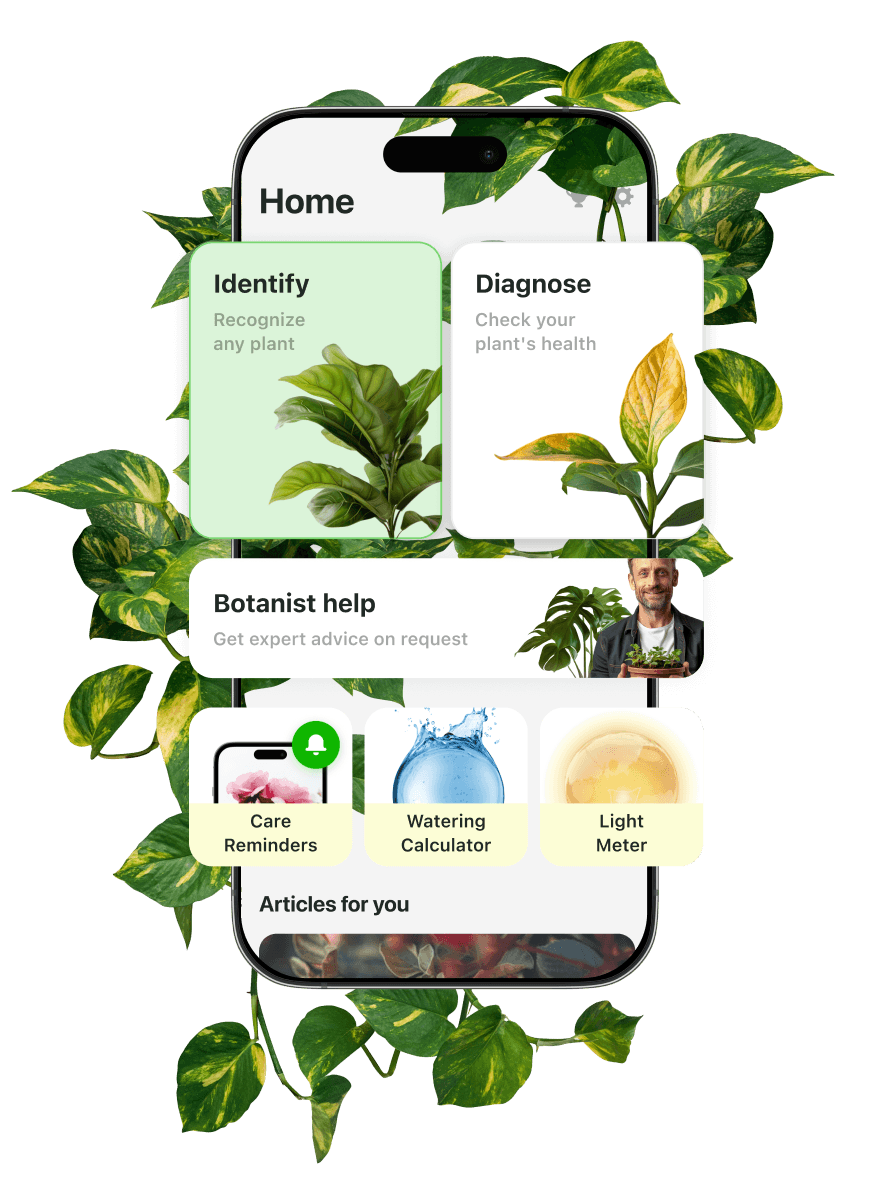
Spotted tiny green bugs on your plant? They’re likely aphids—sap-sucking pests that can quickly damage your garden. Learning how to get rid of aphids is simple and doesn’t require harsh chemicals. This guide covers identification, treatment, and long-term control. Unsure it’s aphids? The Botan App can confirm the pest with a single photo before you treat.

How to Identify Aphids on Plants?
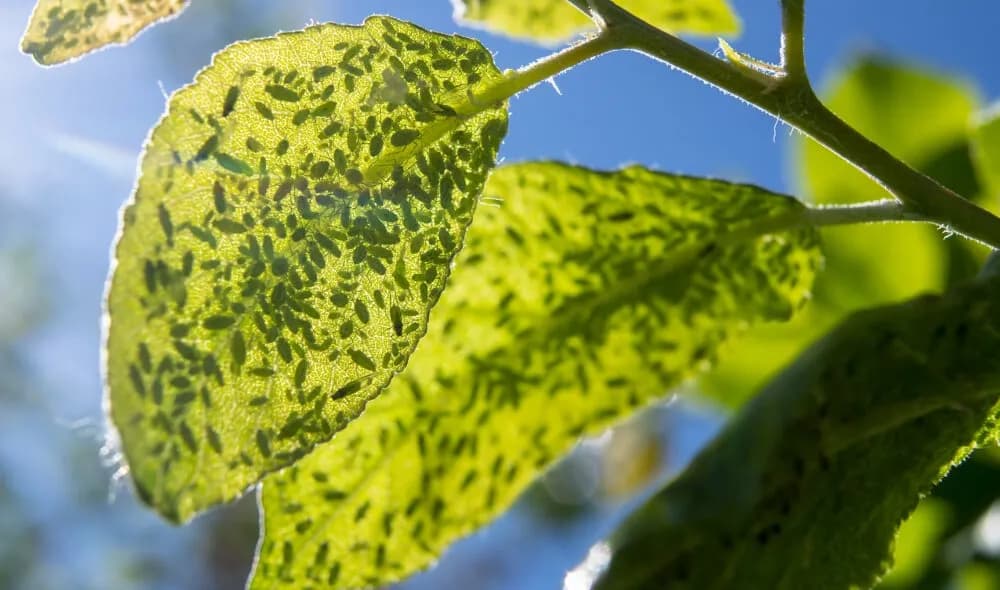
So, what are aphids on plants? These are tiny insects with soft 1-3 mm-long bodies. You'll find them in clusters on new growth, leaf undersides, and stem tips. Most are green, but they can also be black, white, yellow, pink, or gray.
Here's how to spot them quickly:
- Tight groups of pear-shaped bugs on stems or buds;
- Sticky, shiny film coating the leaves (honeydew);
- Curled, puckered, or yellowing foliage;
- Ants marching up and down your plant (they actually farm these pests).
Baby aphids on plants look like smaller, paler versions of the adults, and they don't have wings yet. Don't confuse them with whiteflies, which fly off when disturbed, or with spider mites, which leave behind fine webbing. According to the Royal Horticultural Society, there are over 500 species of aphids, so color alone won't always tell you what you're looking at.
How to Get Rid of Aphids
Aphids removal works best when you catch the problem early and combine a couple of methods. Using only one method is rarely effective, as aphids reproduce so quickly that surviving individuals regenerate within days.
Check out the most effective methods and find the best way to kill aphids without trashing your plants or harming the good bugs in your garden.
.webp?2026-05-29T10%3A29%3A31.829Z)
Step 1: Remove Aphids by Hand / Water Spray
For small outbreaks, this is honestly the easiest method. Put on garden gloves and squish them between your fingers, or knock them off with a strong jet from your garden hose. Outdoor species handle this method beautifully, and it costs you nothing to destroy aphids on plants.
If you want to know how to get rid of aphids on indoor plants, just take the pot to the sink or shower and rinse the leaves gently. Then aim the water at the undersides too, since that's where most pests hide. Repeat the cleaning procedure every 2-3 days for about a week. Aphids that fall off rarely climb back up.
Step 2: Use Insecticidal Soap
It suffocates soft-bodied bugs on contact by breaking down their outer coating. You should spray it directly on the aphids, soaking the undersides of leaves and any tight clusters near buds.
It's an effective treatment for aphids on plants because it breaks down fast and leaves no nasty residue on edibles. Always test a small leaf first, since ferns, succulents, and some herbs can react badly. Spray in the early morning or evening to avoid leaf burn from sun exposure.
Step 3: Apply Neem Oil
Neem oil disrupts the aphid life cycle and stops them from feeding, molting, and laying eggs. Mix about a teaspoon with a quart of water and a drop of dish soap to help it stick. Spray every 7-10 days until the colony is gone. It's gentle on bees if you spray in the evening, when pollinators have already called it a day.
Bonus: Neem also helps with mites, whiteflies, and fungus gnats.
Step 4: Prune Heavily Infested Areas
If a stem or shoot is absolutely crawling with bugs, just snip it off with clean shears. Bag the cuttings and toss them straight in the trash; don't compost them, or you'll spread the problem. This method helps you kill aphids on plants fast and saves the rest of the plant from spreading damage. Pruning also opens up airflow, which makes the plant less inviting to future pests.
Step 5: Isolate Infected Plants
Move infested houseplants away from healthy ones the moment you spot trouble. Aphids spread quickly indoors, especially in warm, dry rooms with little airflow. You should keep the plant isolated for at least two weeks after the last pest is gone, then double-check before moving it back to your collection.
Not Sure It's Really Aphids?
Lots of plant problems look the same at first. Curling leaves, sticky goo, yellow patches, and weak growth can all point to aphids, but they could also mean spider mites, scale, mildew, or even simple care stress like underwatering or low light. Misdiagnosing wastes your time and stresses the plant more.
If you want a second opinion before grabbing the spray bottle, snap a photo and use the Botan App to identify the issue. It tells you what's wrong, what's causing it, and what to do next quickly and with no guesswork.
Three Signs of an Aphid Infestation
How do you know an aphid infestation has fully set in? It's usually pretty obvious once you know what to watch for. These pests reproduce wildly fast, so a few bugs can turn into hundreds in just days. Catching the signs early makes treatment way easier and saves your plant a ton of stress. Below you can find the most visible signs of an aphid infestation.Natural Remedies for Aphids
1. Visible Aphids on Leaves and Stems
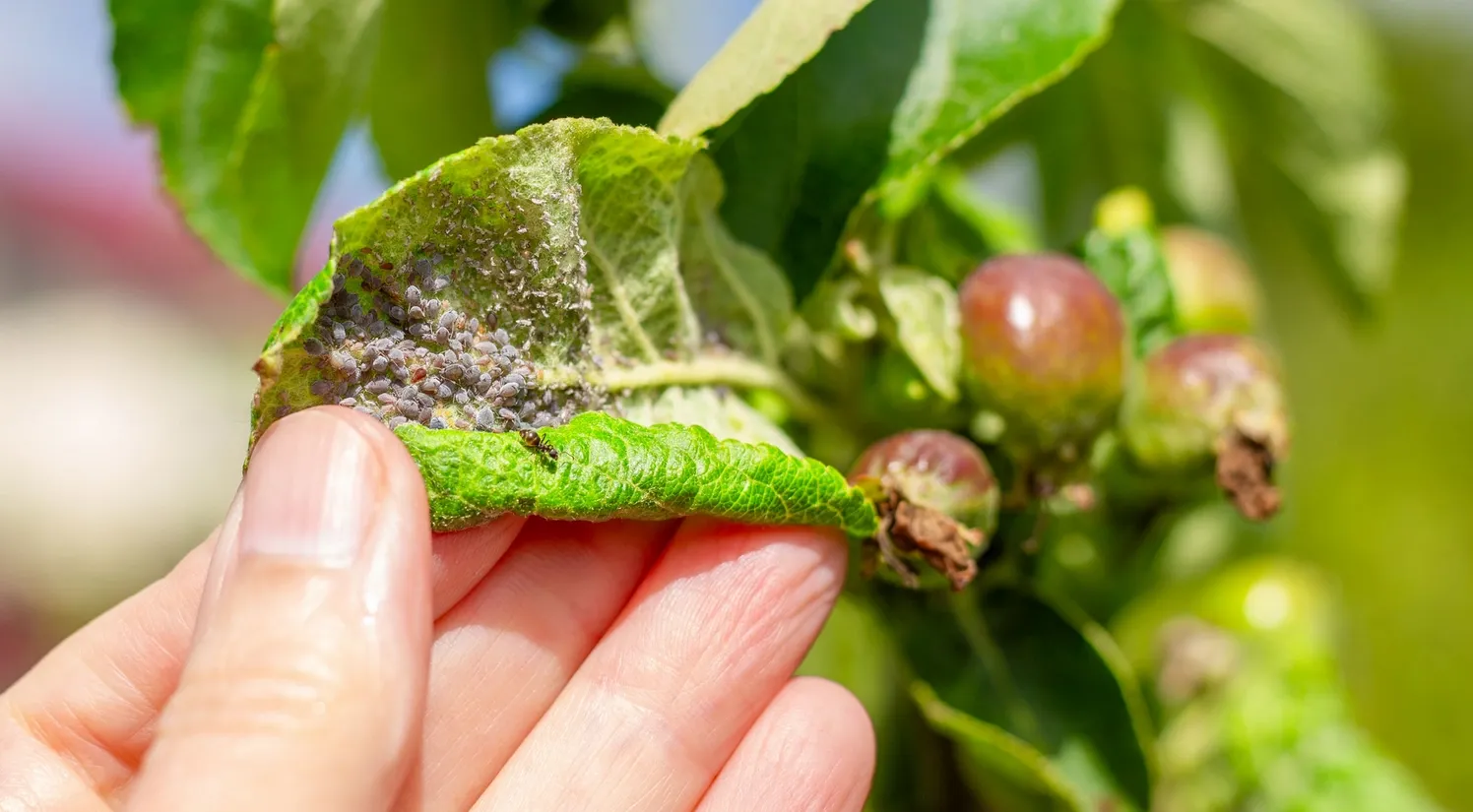
The most obvious sign is tiny bugs in clusters. To see them, flip a leaf over and check the underside — this is their favorite habitat. New buds, tender shoots, and flower stems are favorite targets, as the sap there is softer and easier to suck. You might also notice tiny white flecks scattered across the leaves. These are the discarded skins of molting aphids, and they are a sure sign of their presence. If you see ants climbing the stems, look closer. Ants protect aphids in exchange for honeydew, so where there are ants, there are usually these pests nearby.
2. Sticky Residue (Honeydew)
Aphids excrete a sticky substance as they feed — it's called honeydew. If your leaves feel tacky, look weirdly glossy, or your floor under a houseplant feels sticky, that's a serious warning sign. This residue attracts ants and can grow black sooty mold over time. This sooty mold blocks sunlight and weakens the plant further. You can wipe honeydew off with a damp cloth, but it'll keep coming back until these pests are gone.
3. Curling / Yellowing Leaves
When aphids drain sap, leaves start curling, twisting, or turning yellow at the edges. Growth slows way down, and flowers or fruits may drop early before they ripen. You should know how to remove aphids from leaves before this damage spreads, because severe cases can stunt your plant for the whole season.
You have many options that allow you to avoid synthetic chemicals while still effectively fighting the pests. Some methods kill aphids on contact, others repel them before they even land in your garden, and still others utilize natural pest control. Want to get rid of aphids naturally? Here are four of the most reliable natural remedies, each tested by gardeners for generations.
Remedy | How It Works | Best For |
Soapy water spray | Suffocates aphids on contact | Mild cases, indoor plants |
Garlic or chili spray | Repels with a strong smell/taste | Outdoor veggies and herbs |
Ladybugs and lacewings | Natural predators eat aphids | Gardens, greenhouses |
Companion planting | Repels or distracts pests | Vegetable beds, flower borders |
Companion planting for aphids is a smart long-term solution. Among the plants that repel mosquitoes are marigolds, garlic, chives, and nasturtiums — they help drive aphids away or work as trap crops.
How to Prevent Aphids from Coming Back
So why do aphids keep coming back? Usually, because the conditions they love are still there. Below are several effective methods for stopping aphids from coming back for a long time.
Inspect New Plants
Always check new plants before you take them home. Look under the leaves, around stem joints, and near buds. A tiny hidden cluster can blow up into a full infestation within weeks. Quarantine new arrivals for a week or two if you have the space.
Improve Plant Health
Strong, well-cared-for plants resist pests way better than stressed ones. Give yours the right light, water on schedule, and use clean soil. If you're moving a plant to a bigger pot, it’s critically important to know how to repot a plant correctly. Improper repotting can lead to root rot and plant death. Healthy roots mean stronger leaves and, overall, ensure proper nutrition for the entire plant.
Avoid Overfertilizing
This moment often catches people off guard. Too much nitrogen pumps out tender, soft new growth, and aphids absolutely love that juicy tissue. To avoid these problems, stick to a balanced fertilizer and don't overdo it, especially in the spring when growth is already in full swing. The Missouri Botanical Garden recommends a steady, moderate feeding schedule for pest resistance.
When to Use a Plant Identifier
Not every yellow leaf or curl means aphids. It could be a fungal disease, a nutrient gap, or damage from a totally different pest. Our plant identifier saves you from treating the wrong problem. Snap a photo, get a quick answer, and act fast. Getting rid of aphids only works when they are actually what you've got.
Frequently Asked Questions
Yes, in most cases, plants can recover from aphids. If you act early and clear out the infestation, plants usually recover within a few weeks.
Trim off damaged leaves, water properly, and reduce fertilizer until new growth appears. Only a severe and prolonged infestation causes irreparable damage. Even then, hardier plants, such as roses, tomatoes, and most houseplants, can usually survive with proper care.
Dariia Plaksina
5 years of botanical research experience
Dariia combines her background in biology and botany with a passion for clear, science-based plant care writing. She creates informative articles that help readers better understand plant health, growth, and everyday care.
Related Articles
11 min read · 28 May 2026
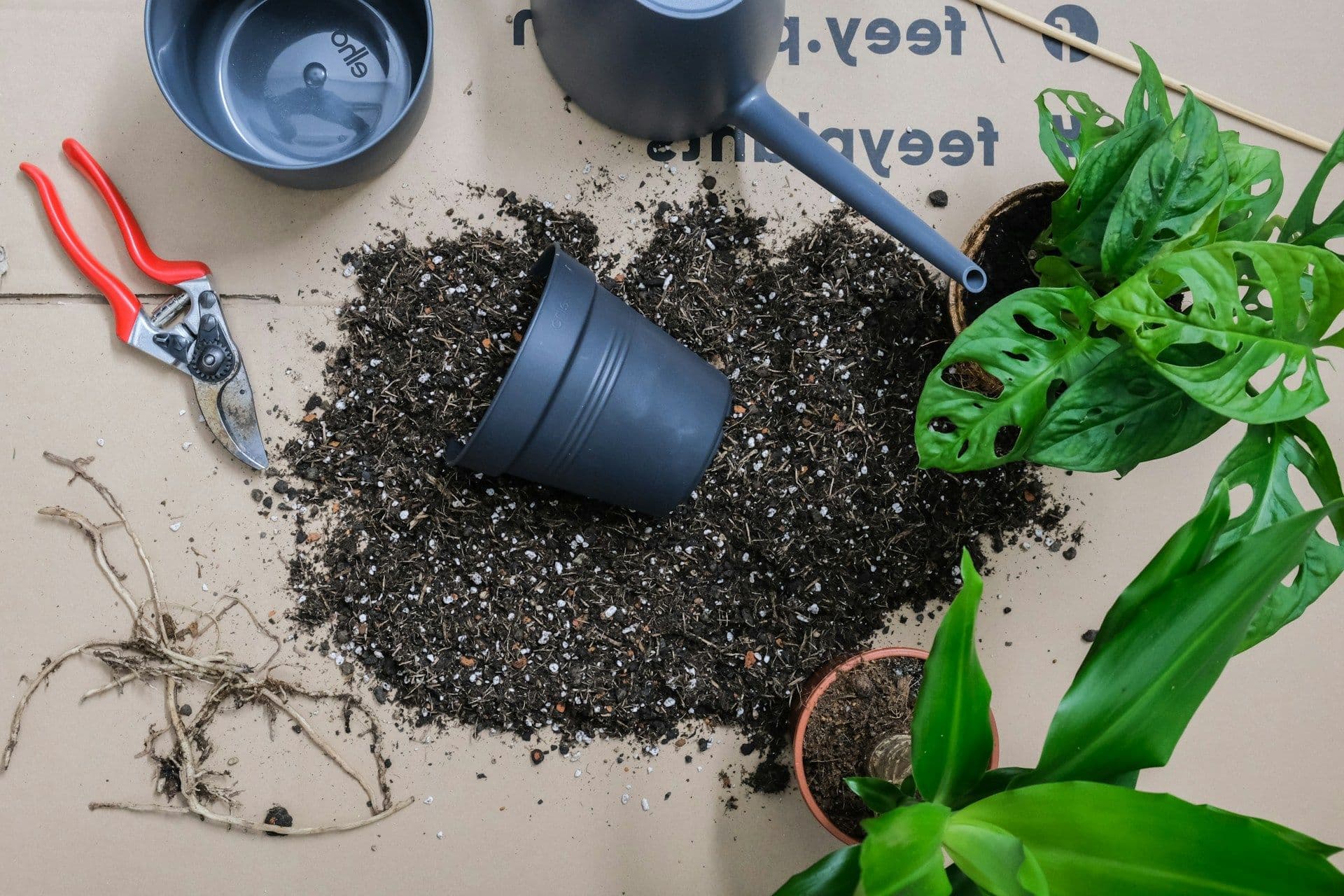
How to Repot a Plant: A Step-by-Step Guide
In spring, many plants need repotting—an essential part of care. To avoid stress, consider the plant’s type and size. This article offers a step-by-step guide for repotting indoors or outdoors and shows how to check plant health and get care tips using the Botan app.
Explore Plants by Care Needs
Identify the plant and problem. Help your plant recover
Identify plant problems early, understand what's wrong, and get clear care guidance. Botan helps you turn guesswork into confident plant care