Brown Spots on Monstera: The Complete Guide to Saving Your Plant
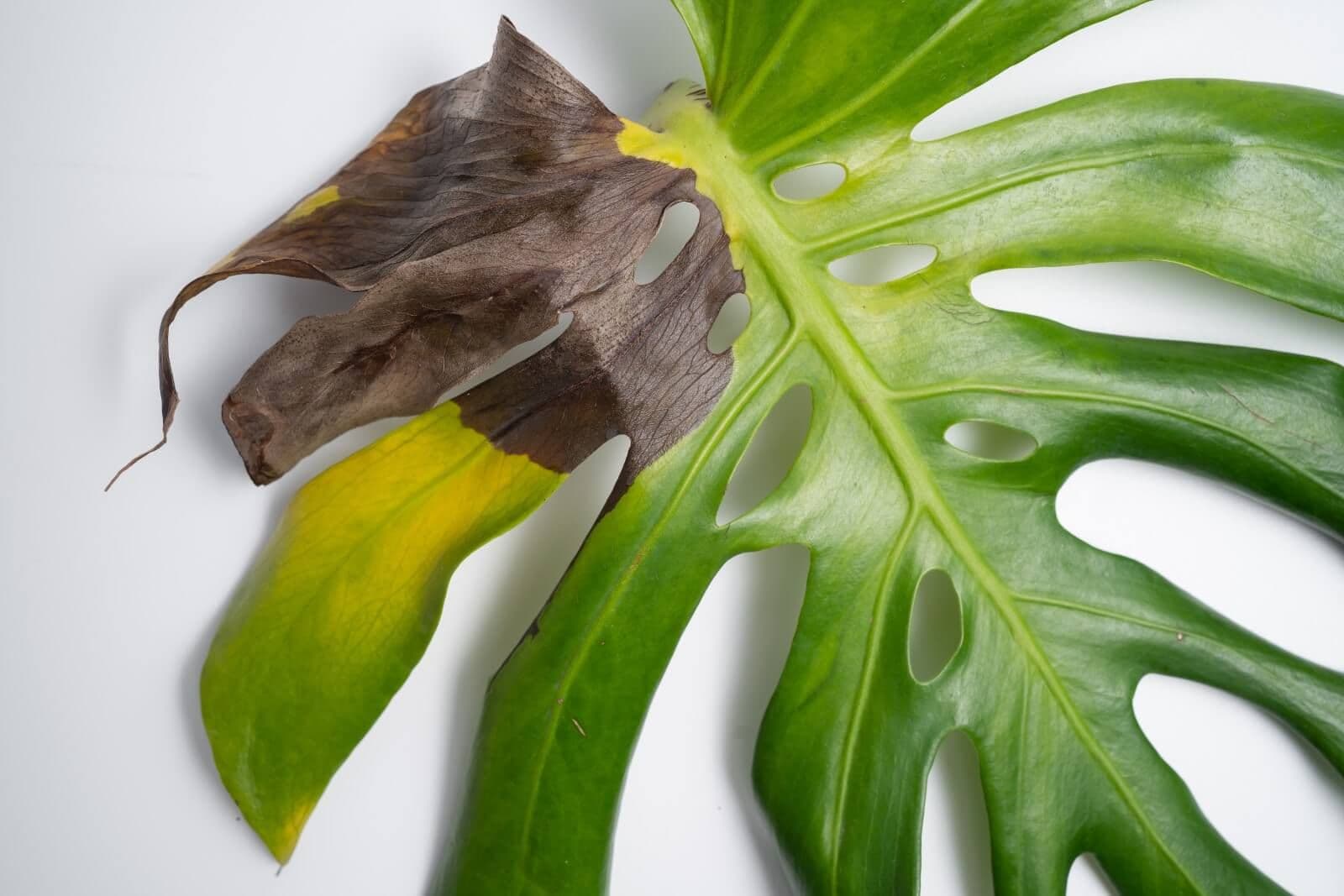
Monstera is a tropical vine that thrives when its natural habitat is mimicked — and reacts with dark leaf spots when those conditions aren't met. Identifying the cause quickly is key, whether it's overwatering, sun damage, or fungal issues.

On this page
- Why Does Monstera Get Brown Spots?
- 5 Main Causes: How to Spot Their Warning Signs
- How to Understand Which Problem You Have
- 1. Overwatering and Root Rot
- 2. Too Much Direct Sun
- 3. Low Humidity and Dry Air
- 4. Fungal or Bacterial Diseases
- 5. Pests
- When to Worry and When to Wait
- How to Prevent Brown Spots on Monstera
Monstera is a forgiving plant. But it’s also a tropical vine. It thrives in an environment that mimics its natural habitat. If those conditions aren’t met, it reacts accordingly — often with dark spots right on its leaves.
If you notice a brown spot on a monstera, don’t panic. It can be due to different factors, from overwatering to fungal or sun damage.
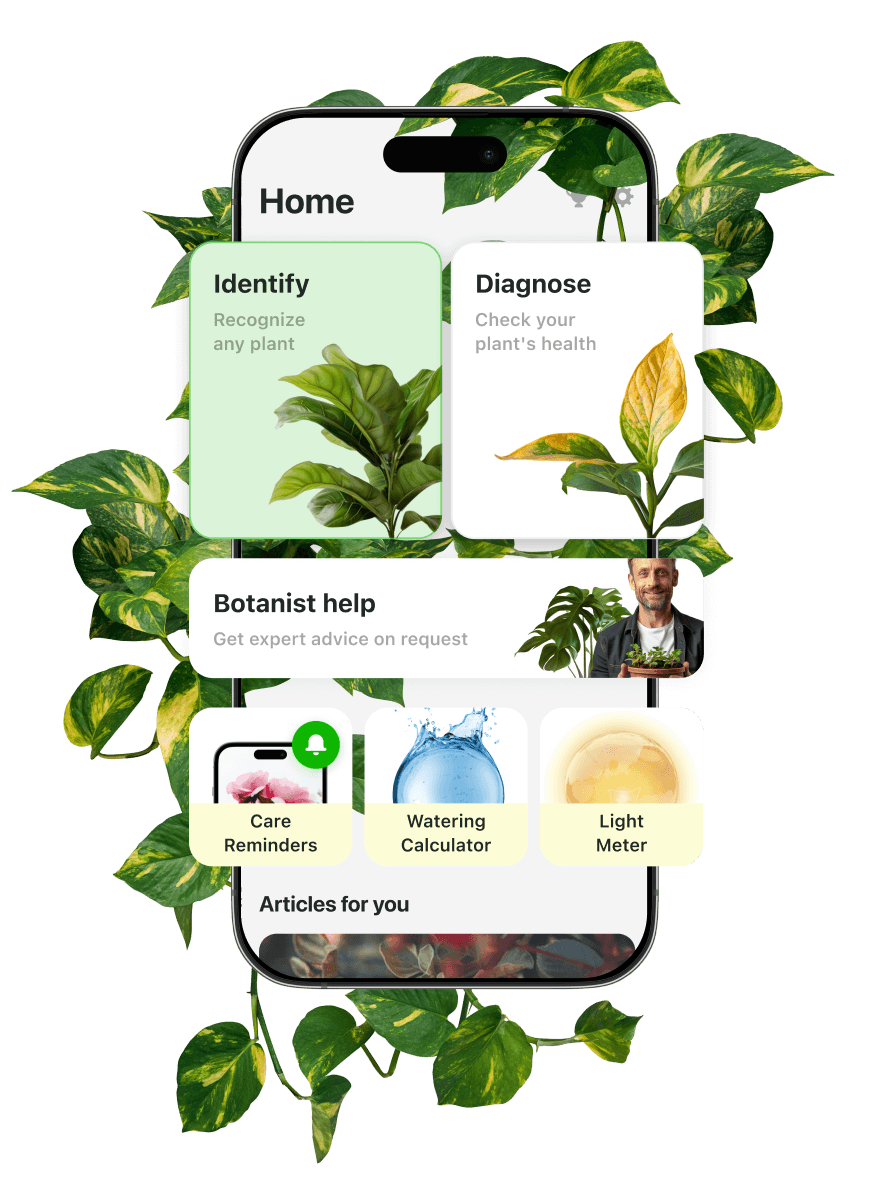
The trickiest part is to identify the cause. You can find that out in seconds with the Botan scanner, but we’d still recommend learning more about the plant. That’s how you’ll understand it better and easily prevent spots or other problems in the future.

Why Does Monstera Get Brown Spots?
Monstera brown spots are just a symptom. They indicate that the plant is sick or under stress. That, in turn, is often caused by overwatering or underwatering, fungal or bacterial infections, poor air circulation, or pests.
The sequence is simple: Monstera doesn’t get what it needs or faces an external threat → its cells start dying → brown spots appear on its leaves.
Each unfavorable condition also comes with its own set of additional symptoms: yellowing, musty odor, root decay, etc. These, along with the unique characteristics of spots, can help with disease identification.

Fix Plant Problems
Leaves turning yellow or falling off? Find the cause and solutions
5 Main Causes: How to Spot Their Warning Signs
When the plant starts showing symptoms, it’s crucial to inspect it carefully:
- Check the color, spreading pattern, size, and texture of the spots
- Inspect the roots
- Check for pests carefully
- Assess the environment (moisture level, airflow, sunlight)
The last step actually takes the most effort. It’s not always easy to remember whether the plant was exposed to direct sun recently and how often it has been watered over the past few weeks.
Considering such things, however, is necessary to address the problem. Moreover, you’ll need to do it regularly to prevent similar issues in the future.
If you want to simplify this process, try Botan: with our app, you can scan a photo of your monstera, get advanced treatment and care recommendations in 1-3 seconds, track watering, fertilizing, humidity, and leaf condition. Plus, you receive notifications for consistent maintenance and optimal plant care.

How to Understand Which Problem You Have
Let’s say you notice brown spots on your Monstera deliciosa or another popular Monstera variety — in this case, the exact type doesn’t make much difference. Use this table to narrow down the most likely cause of their appearance:
Symptom | Most Likely Cause | What Else to Look For |
Spots with defined edges, often with a yellow halo or tiny dark dots | Fungal diseases | Yellowing leaves, lesions on the stem, spots spreading and merging |
Black or dark-brown mushy spots | Overwatering/root rot | Wilted, discolored leaves, foul smell, rotted, dark roots, brown and mushy stems |
Dry, papery, scorched brown patches | Sunburn/direct sun exposure | Crispy and curling leaves, dry soil |
Water-soaked spots, quickly turning from brown to black | Bacterial infection | Spots with greasy edges and often yellow halos, rotten odor, stem blight |
Spots and browning at the tips and edges of leaves | Underwatering/low humidity | Dry and crispy dead tissue, curling and wilting leaves, loss of gloss |
1. Overwatering and Root Rot
Overwatering and root rot are the two stages of the same problem. If you overwater monstera, the soil becomes waterlogged. The roots sit in water, losing their ability to get oxygen. The plant stops getting water and nutrients, and the leaves show the symptoms of that collapse. If the situation doesn’t change, it escalates to root rot. If pathogens get involved, this becomes a fungal infection.
Both problems have similar symptoms. The stem darkens and starts to feel softer at the base. The soil remains wet for a long time after watering, and the roots have a foul odor. Leaves start to yellow, wilt, and then fall off. Dark brown or black soft mushy spots, often with a yellow halo, are the signature symptom, too.

2. Too Much Direct Sun
If you notice bleached or faded patches that then turn brown or black, it might be due to direct sun. Such spots are dry and crispy, and they don’t spread like spots caused by root rot or fungal or bacterial diseases. The damage is done only to the sun-facing side of the leaves.
The thing is, monstera needs a lot of light — ideally 5-8 hours daily, but it must be indirect. That’s why the plant should be placed 3-5 feet away from the window.
3. Low Humidity and Dry Air
Papery, dry Swiss cheese plant brown spots may also indicate a lack of moisture in the air or soil. In this case, they are usually located on the leaf edges.
Unlike spots from fungal/bacterial infections or overwatering, they are never wet and mushy. They don’t turn black either. Damaged areas range from light tan to brown, then to dark brown. The entire plant gets slightly droopy, and leaves may lose their color and curl.
Check the soil — if it’s very dry, it’s likely underwatering. If that’s not the case, it’s likely low humidity. During winter, plants in houses and apartments with central heating are especially vulnerable. Remember, monstera prefers humidity of 60-70%, but can tolerate 50% due to its adaptability.
To solve the problem, adjust your watering schedule first. If dry air is the problem, increase the humidity level. Use a humidifier or a pebble tray beneath the pot, place the monstera closer to other plants, or mist it regularly.

4. Fungal or Bacterial Diseases
Dark spots on monstera often result from fungal and bacterial diseases.
The most common fungal infections include anthracnose and fungal leaf spot (caused by Cercospora and related fungi). These are often connected to overwatering, as fungi thrive in moist, warm, and poorly ventilated environments.
The bacterial leaf spot Monstera disease thrives in the same environments and can spread through water splashes, open wounds, and leaf pores.
Both fungal and bacterial diseases are characterized by dark spreading spots, often with a yellow halo. However, fungal spots have defined edges, while bacterial ones are more irregular and very water-soaked.
In both cases, you’ll need to remove affected leaves and any rotted roots, stop overwatering and water only at the base, improve airflow, and ensure the pot drains well. For bacterial infection, you’ll also need to stop misting entirely and use a copper-based bactericide.
5. Pests
Monstera can also be affected by spider mites, scale, mealybugs, and thrips. These pests feed on sap, which damages cells and may result in small, initially light spots that turn dark brown. Look for insect waste, fine webbing, sticky residue, and for insects themselves — they can be tiny yet visible.
If the diagnosis is confirmed, isolate your plant, identify the pest, and manually remove insects with a cotton swab dipped in rubbing alcohol or a stream of water. Then spray the insecticidal soap solution.
When to Worry and When to Wait
Some situations are urgent, while others require care adjustments or are rather cosmetic issues.
Take immediate action if:
- Soft, mushy, brown, or black spots are quickly spreading
- Water-soaked spots are growing and merging
- The stem is blackening at the base
- There are visible pests on the plant
- Many leaves are rapidly yellowing and dying
- There’s a foul smell from the soil
Most of these are signs of root rot and fungal and bacterial infections.
Here are the situations to just monitor:
- A single leaf dies off
- Minor edge browning appears
- Brown spots don’t spread and look dry
If the plant looks healthy, there might be a minor issue, such as excessive sunlight, occasional underwatering, or slightly lower humidity.
You can use the Botan detector to scan the leaf, identify the cause, severity, and adjust environmental conditions. Then, you’ll only need to take the recommended actions and give the plant a few weeks to recover.
How to Prevent Brown Spots on Monstera
Monstera is a very resilient, adaptive plant. If you adjust your care plan, you’ll likely avoid similar problems in the future.
Here are a few tips on how to do it:
- Water it correctly — use the finger test, water only if the top 2-4 inches of soil are dry (approximately every 1-2 weeks).
- Adjust the lighting — use a sheer curtain or place the plant away from direct sunlight, while still ensuring 6-8 hours of indirect light.
- Maintain the right humidity level — ideally, at least 60%.
- Improve air circulation — run a gentle fan if possible, or at least don’t place it too close to the wall or other plants.
- Get the right soil and pot — use a well-draining aroid mix, and get a pot with drainage holes.
- Avoid wetting leaves — water at the base only.
Also, clean your gardening tools to avoid infections and inspect your monstera every 2-3 weeks. That’s usually enough to keep the plant healthy.
FAQ
Yes, but not because the spots themselves can spread. They are just a symptom. Spots can appear on new leaves if the main problem (direct sun, under- or overwatering) or a disease (bacterial or fungal infection) remains unresolved or untreated.
Dariia Plaksina
Botanist
5 years of botanical research experience
Dariia Plaksina is a biologist, botanist, and writer of informational articles with over 5 years of experience exploring the world of plants, nature, and biology. She studied at Taras Shevchenko National University of Kyiv, Educational and Scientific Center “Institute of Biology and Medicine,” where she built a strong scientific foundation for her future work.
For Dariia, writing is a hobby, a calling, and a way to make reliable knowledge easier to understand. Her articles focus on plant care, plant health, and natural processes, helping readers learn more about the living world through clear, accessible, and science-based explanations.
Related Articles
8 min read · 1 Oct 2026
Lemon Tree Leaves Turning Yellow: Causes and How to Fix It
Yellow leaves are one of the most common lemon tree problems. This guide explains eight causes of lemon tree leaves turning yellow, from overwatering to root rot, with a fix for each.
5 min read · 16 Sept 2026
How to Keep Cats Away From Plants: 7 Safe and Effective Methods
Cats may dig in potting soil, chew leaves, or knock containers over. These seven methods combine safer placement, physical protection, a suitable chewing alternative, and play to help protect your plants without putting your cat at risk.
5 min read · 7 Sept 2026
Overwatering vs Underwatering: How to Tell the Difference
Overwatering and underwatering can look almost identical, so they're easy to confuse. In this guide, we'll cover the signs of each, simple ways to tell them apart, and how to treat your plant once you know what's wrong.
Explore Plants by Care Needs
 POPULAR
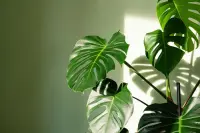
Monstera
Monstera deliciosa
 POPULAR
Swiss Cheese Vine
Monstera adansonii
 POPULAR
Mini Monstera
Rhaphidophora tetrasperma
 POPULAR
Monstera minima
Monstera minima
 POPULAR
Philodendron Cobra
Monstera standleyana
 POPULAR
Window-Leaf Monstera
Monstera obliqua
 POPULAR
Monstera lechleriana
Monstera lechleriana
 POPULAR
Silver Monstera
Monstera siltepecana
Identify the plant and problem. Help your plant recover
Identify plant problems early, understand what's wrong, and get clear care guidance. Botan helps you turn guesswork into confident plant care