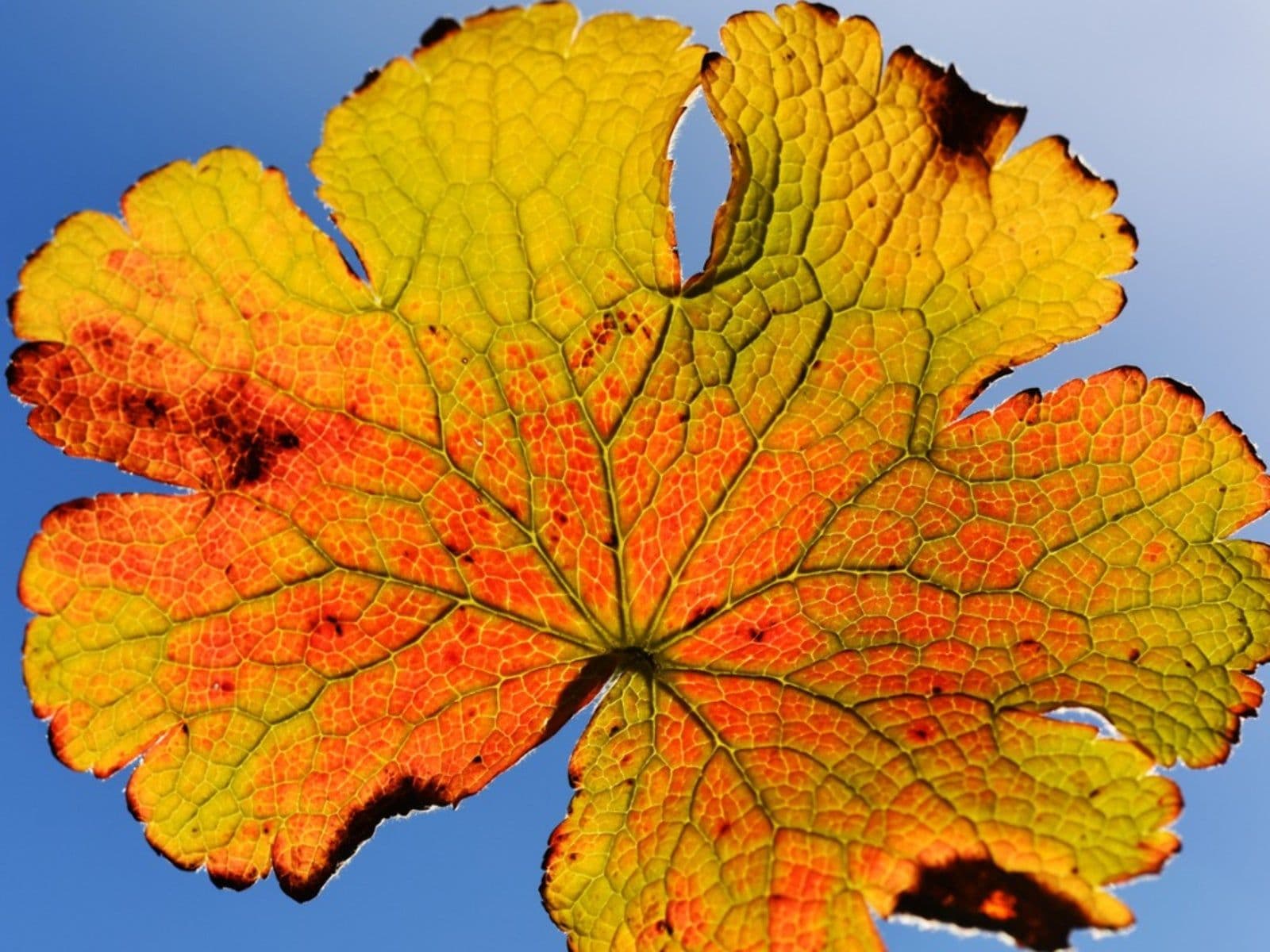
5 Hidden Reasons Geranium Leaves Are Turning Yellow
If your geranium leaves are turning yellow, the cause is often linked to soil, roots, or watering. Learn possible reasons and solutions.

On this page
- How to Read Yellow Geranium Leaves Before You Treat the Plant
- Reason 1: The Soil Holds Too Much Moisture Around the Roots
- What to Do First
- Reason 2: The Plant Gets Light, but Not the Right Kind of Light
- Low Light vs. Sun Stress
- Reason 3: Nutrients Are Out of Balance, Not Simply Missing
- When Fertilizer Makes Yellowing Worse
- Reason 4: Temperature Swings Are Stressing the Leaves
- Common Temperature Triggers
- Reason 5: Root Stress After Repotting or Long-Term Pot Crowding
- How to Tell If the Pot Is the Problem
- When Yellow Geranium Leaves Are Normal
- Yellow Leaves Are Clues, Not a Final Verdict
You pass by your geranium and notice a few leaves looking wilted. By the next morning, more of such leaves had appeared. You're probably wondering, "Why are my geranium leaves turning yellow?" If you Google it, most articles list 10 possible causes without explaining how to determine which one is yours.
The cause is often linked to soil or roots. A plant detector like Botan can help you match what you see to common problems, but you can figure out a lot of this yourself in about 5 minutes.

How to Read Yellow Geranium Leaves Before You Treat the Plant
Yellowing geranium leaves are something you need to be aware of. Don't overwater or overfeed your plant; in this case, just observe it. Here’s what to check:
- Yellowing on the lower leaves — usually indicates watering issues.
- Pale upper leaves — may be due to insufficient light or fertilizing.
- Yellowing young shoots — indicate root problems or iron deficiency.
- Yellowing with brown edges — means heat or salt in the soil due to old fertilizer.
- Soft, crumbly spots — indicate rot.
- Crispy, dry areas — mean too much sun or drying out.
- The entire plant appears faded — indicates insufficient light.
If you identify this correctly, the solution is usually obvious. If you get it wrong, it will get worse.
Find the Cause of the Plant’s Issues
Scan your plant, spot symptoms, and get practical guidance
Reason 1: The Soil Holds Too Much Moisture Around the Roots
This is the most important reason for geranium yellow leaves. Geraniums really don't like being overwatered. The top layer of soil dries out within 1-2 days, so people water again, but the bottom of the pot is still wet.
The roots don't get oxygen, plant growth slows, and the lower leaves turn yellow. Overwatering kills more geraniums than anything else, and it usually happens to people who water according to a schedule instead of checking the pot first.
What to Do First
Lift the pot — if it's heavy, wait. Make sure the drainage holes aren't clogged with roots or compacted soil. Empty the saucer if there's any water in it. Let the top few inches dry out before watering again.
The leaf scanner in the Botan app can also help you distinguish between rot and fungal infections, which look remarkably similar. If the soil still feels like pudding after 7 days of drying, repot the plant in a pot with more perlite.
Reason 2: The Plant Gets Light, but Not the Right Kind of Light
Bright light is good, but there's an optimal value. Place the plant in a dimly lit hallway, and within a few weeks, the leaves will turn pale, and the stems will become long and drooping when reaching for the window. Flowering will also stop in this case.
Another extreme is when the geranium is placed on a south-facing window, allowing intense heat to build up between the glass and the leaf surface. The leaves will discolor, and the edges will dry out, sometimes overnight.
Mature plants with established roots tolerate low light levels slightly better than freshly cut cuttings. Neither is suitable for long-term cultivation.
The Royal Horticultural Society (RHS) Growing Guide to Pelargoniums has detailed information on light requirements if you want a deeper understanding.

Low Light vs. Sun Stress
In both cases, you’ll see geranium leaves turning yellow, but the exact color will look different. Let’s see the major signs of yellowing and instructions on what to do in low-light and sun-stress conditions.
Light Issue | How Yellowing Looks | Other Signs | What to Do |
Low light | Pale, even yellow across the leaf | Long weak stems, fewer flowers, plant tilting toward the window | Move closer to the window or add some gentle afternoon sun |
Sun stress | Yellow plus dry spots or crispy edges | Scorched look, curled edges, damage right after a move | Move it away from the hot midday window and protect it from direct sunlight. |
Reason 3: Nutrients Are Out of Balance, Not Simply Missing
If you see geraniums with yellow leaves, this doesn't always mean the plant is starving — quite often, the opposite is true. Too much fertilizer leaves salts in the soil, preventing the roots from properly absorbing water.
Low magnesium or iron levels typically manifest as yellow leaves with green veins. And if the roots are already stressed, the plant can't absorb nutrients, even if there are enough in the soil.
Don't add fertilizer right away. One of the experts’ tips is to rinse the pot with clean water several times to remove the salts, let the water drain, and then skip fertilizing for 2-3 weeks and see what happens.
When Fertilizer Makes Yellowing Worse
If the leaves' appearance worsens after fertilizing, this is fertilizer burn. A white coating on the soil surface is another sign. Never fertilize a dry pot — water it first and then fertilize at half concentration. For woody species in your collection, the shrub Identifier will help you distinguish shrub geraniums from similar plants that require different care.
Reason 4: Temperature Swings Are Stressing the Leaves
Geraniums prefer stable conditions and don’t tolerate sudden changes well. Cold nights on the balcony in autumn, hot days on the windowsill, dry air from a radiator in winter, or an air conditioner vent directed directly at them — any of these factors can cause yellowing. This process usually appears on the side closest to a cold draft or hot air source. A warm day followed by a cold night is very harmful to them as well.
This is especially damaging to plants during the seasonal move from indoors to outdoors. A plant that spent the summer outdoors will always drop some leaves as soon as it's brought indoors, even if you've done everything correctly.
Common Temperature Triggers
Common temperature factors that cause yellowing include:
- A cold draft from a window or balcony door at night
- Hot, dry air from a radiator or heater
- Direct transition from indoors to the sun without a smooth transition
- Cold nights after warm days in early fall
- Overheating pots on a sunny windowsill, especially black plastic ones
Most of these factors are easy to miss, as damage appears several days after actual exposure. If you can't figure out what's changed, remember where the pot was last week.

Reason 5: Root Stress After Repotting or Long-Term Pot Crowding
These are two opposing problems, but they both lead to geranium yellow leaves. If you've just repotted the plant, the roots will "get adjusted" for 1-2 weeks, and the plant will receive water and nutrients unevenly.
Some leaves will turn yellow while the plant adapts. On the other hand, if the plant has been in the same pot for 3-4 years, the roots fill the entire soil and begin to circulate throughout the pot. Water simply leaks through and doesn't reach the roots.
How to Tell If the Pot Is the Problem
Several facts may point you to possible problems with the pot:
- Roots are coming out of the drainage holes
- Water leaks in seconds when watering
- Soil dries out within a day
- New shoots appear weak, even if care hasn't changed
- Yellowing began immediately after repotting
Three or more of these signs indicate the need to either increase the pot size or wait.
When Yellow Geranium Leaves Are Normal
Sometimes a yellowed leaf is simply yellowing. Older lower leaves fall off after a heavy bloom, and seasonal changes can also cause this. Bring a plant indoors after the summer, and it will drop a few leaves as it adjusts. As long as the stems remain strong and new shoots are constantly emerging, a few yellowed leaves from time to time are not a problem.
Yellow Leaves Are Clues, Not a Final Verdict
Yellowing is information, and each sign points to something specific. People panic and water more often, fertilize more often, or prune the plant — none of these usually fix the problem. Check the soil, look at the roots if you can, and consider what has changed recently. In most cases, the answer is right there.
FAQ
If a leaf is completely yellow or wilting, trim it with clean scissors. If it's only half yellow, wait a few days — leaves sometimes recover.
Dariia Plaksina
Botanist
5 years of botanical research experience
Dariia Plaksina is a biologist, botanist, and writer of informational articles with over 5 years of experience exploring the world of plants, nature, and biology. She studied at Taras Shevchenko National University of Kyiv, Educational and Scientific Center “Institute of Biology and Medicine,” where she built a strong scientific foundation for her future work.
For Dariia, writing is a hobby, a calling, and a way to make reliable knowledge easier to understand. Her articles focus on plant care, plant health, and natural processes, helping readers learn more about the living world through clear, accessible, and science-based explanations.
Related Articles
5 min read · 16 Sept 2026
How to Keep Cats Away From Plants: 7 Safe and Effective Methods
Cats may dig in potting soil, chew leaves, or knock containers over. These seven methods combine safer placement, physical protection, a suitable chewing alternative, and play to help protect your plants without putting your cat at risk.
5 min read · 7 Sept 2026
Overwatering vs Underwatering: How to Tell the Difference
Overwatering and underwatering can look almost identical, so they're easy to confuse. In this guide, we'll cover the signs of each, simple ways to tell them apart, and how to treat your plant once you know what's wrong.
7 min read · 26 Aug 2026
Brown Spots on Basil Leaves: Causes and How to Fix Them
Brown spots can appear after watering mistakes or disease. Cold exposure and pests leave a distinct pattern too. Learn how to diagnose damaged basil and prevent new marks.
Explore Geranium by Care Needs
Identify the plant and problem. Help your plant recover
Identify plant problems early, understand what's wrong, and get clear care guidance. Botan helps you turn guesswork into confident plant care