Palm Tree Identification
Palm Tree ID from a Single Photo
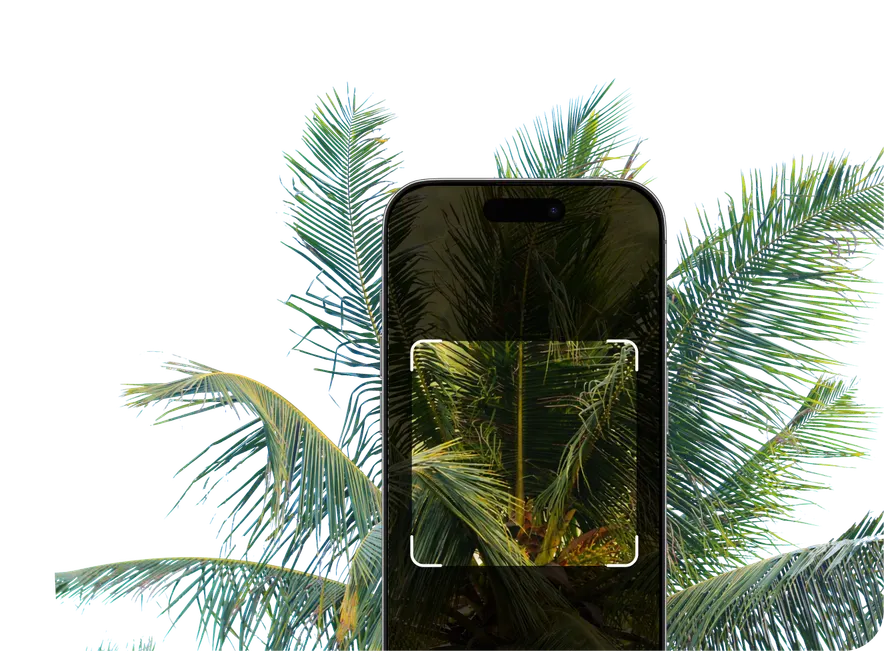
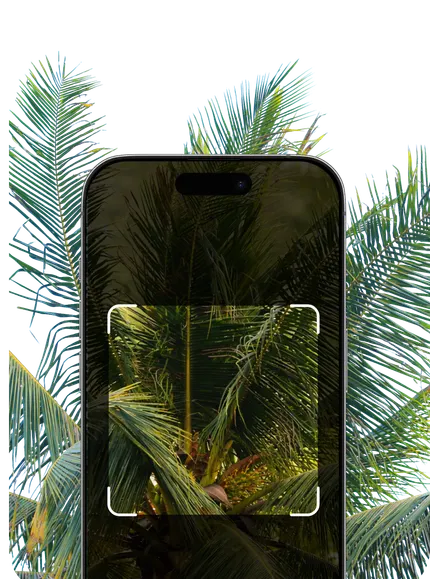
Take a photo of the palm, and Botan will match it with a database of 30,000 species to return the exact plant name.


Palm Tree ID from a Single Photo
Take a photo of the palm, and Botan will match it with a database of 30,000 species to return the exact plant name.

Plant Identifier Online for Free
Use easy-to-see images for the best plant ID results. Try not to take photos from very far away.
 POPULAR
Parlor Palm
Chamaedorea elegans
 POPULAR
Pygmy Date Palm
Phoenix roebelenii
 POPULAR
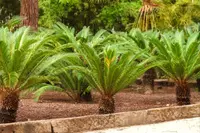
Sago palm
Cycas revoluta
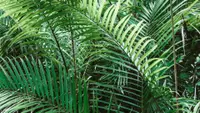
Areca Palm
Dypsis lutescens
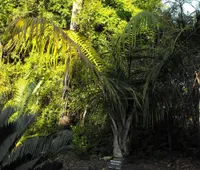
Majesty palm
Ravenea rivularis
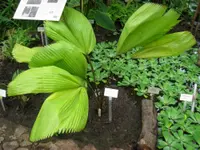
Ruffled fan palm
Licuala grandis

Lady Palm
Rhapis excelsa
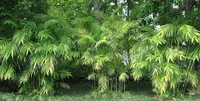
Bamboo Palm
Chamaedorea seifrizii
 POPULAR
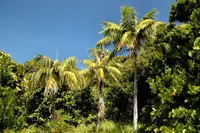
Kentia palm
Howea forsteriana
 POPULAR
Coconut
Cocos nucifera
 POPULAR
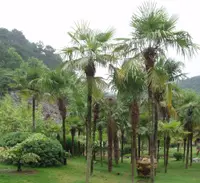
Windmill palm
Trachycarpus fortunei
 POPULAR
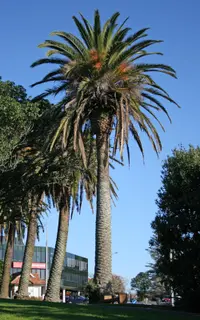
Canary Island date palm
Phoenix canariensis
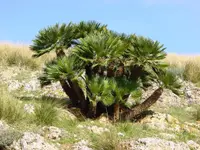
European fan palm
Chamaerops humilis
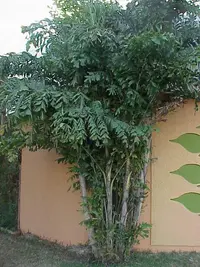
Burmese fishtail palm
Caryota mitis
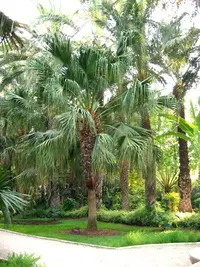
Chinese fan palm
Livistona chinensis
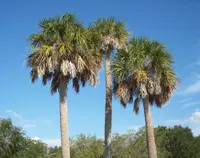
Cabbage palm
Sabal palmetto
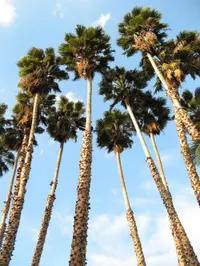
Mexican fan palm
Washingtonia robusta

California fan palm
Washingtonia filifera
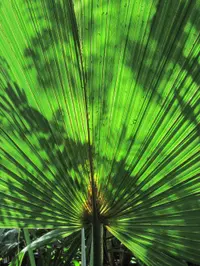
dwarf palmetto
Sabal minor
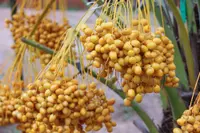
date palm
Phoenix dactylifera
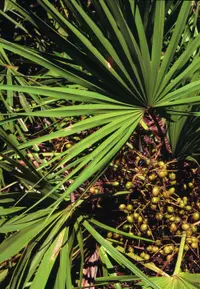
saw palmetto
Serenoa repens
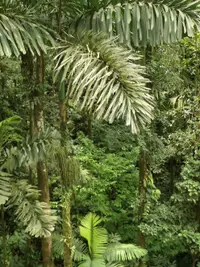
Walking Palm
Socratea exorrhiza
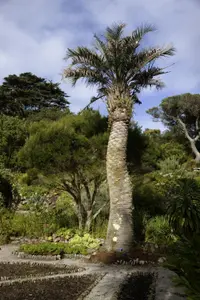
South American jelly palm
Butia capitata
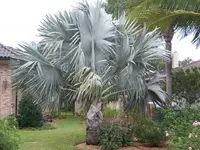
Bismarck Palm
Bismarckia nobilis
Palms belong to the Arecaceae family, which includes more than 2,500 species, so identifying palm trees based on only one feature is unlikely to be accurate. There are three characteristics that help narrow down the possible matches and together provide the best accuracy.
Palm identification is best started with the leaf, since it serves as the first and broadest filter. After examining it, the plant can usually be placed into one of several clearly defined groups.
Leaf shape remains unchanged throughout the life of a mature tree, making it a stable reference for manual palm tree identification or scanner analysis.
The crowns of different palms may look very similar, so examining the trunk is often the answer to a question on how to identify palm trees. The inspection takes only a few seconds.
If both the trunk and leaf types match during analysis, the chance of species identification errors becomes very low.
The overall growth form of a tree is often visible from a distance, before the trunk or leaves can be examined closely. Because of this, it serves as an excellent final palm tree ID check, either confirming the conclusions already made or revealing inconsistencies.
Multi-trunk and solitary species, and low-growing bush forms belong to different genera; this distinction, by the way, works regardless of leaf shape.
Universal identification apps cover thousands of species, but not with the same level of detail. They usually include the most common and ornamental plants, while tropical trees are most often placed into broad categories.
This limitation becomes noticeable for people seriously interested in palms, which is why Botan takes a different approach.
There is no need to search for specific information separately or perform repeated searches, as the detector processes and returns a result based on the full species profile.
As a rule, to identify palm trees, users try to photograph the entire tree from one point. However, this does not provide enough detail for accurate species identification.
Important features are visible only when separate parts are photographed up close.
Photo Angle | What to Focus On | Why It Helps |
Close-up of the leaf | Blade shape, segmentation type, color, and surface texture | Leaf type determines the botanical group |
Middle section of the trunk | Surface texture, scars, fibers, or spines | Helps distinguish similar species by trunk structure |
Base of the plant | Growth form, number, and arrangement of trunks | A stable species characteristic |
Fruits or seeds | Seed shape, color, and size | Helps refine the identification result |
If the photo is blurry or includes unnecessary objects, it is best to take another shot. It only takes a second, but the result will be much more accurate.
Yes. Trunk texture is an independent diagnostic feature, and the app uses it as an independent recognition parameter. Accuracy will be higher if an additional leaf photo is included.