Bismarck Palm Care (Bismarckia nobilis)

Bismarck Palm

About Bismarck Palm

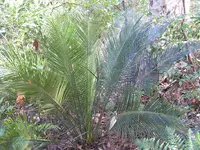
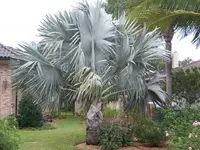
Bismarckia nobilis, commonly called Bismarck palm, is a large, architectural fan palm valued for its bold, symmetrical form. It develops a single, stout trunk topped with a rounded crown of huge, stiff, bluish-gray leaves.

This species is native to open, seasonally dry areas of Madagascar, where it receives intense sun and good air movement. It is slow to moderate in growth and ultimately becomes very large, so it suits spacious landscapes rather than small yards.

Its toughness, drought tolerance once established, and low pruning needs can make it relatively straightforward to care for Bismarck Palm in suitable warm climates with full sun and well-drained soil.

Main Plant Requirements

Care Difficulty

Moderate Care

Light Preference

Full Sun

Water Requirements

Low Water

Temperature Preference

Warm Climate

Hardiness Zone

10–11

Soil Texture

Sandy, Loamy, Rocky

Soil pH

Slightly acidic (6.5–7.0), Slightly alkaline (7.0–7.5)

Soil Drainage

Well-drained

Fertilization

Minimal (feed rarely)

Get Personalized Care Plan

Scan your plant to receive care tips personalized for your specific plant

Available on iOS and Android

How to Care for the Bismarck Palm

This palm needs strong light to develop its characteristic silvery-blue fronds.

  • Provide 6–8 hours of direct sun daily; full sun is ideal once established, especially in warm climates.
  • In very hot inland areas, give Bismarck Palm light afternoon shade to reduce leaf scorch, while still allowing 4–6 hours of morning sun.
  • Newly planted specimens benefit from filtered light or 2–3 hours less direct sun for the first season, then can be transitioned to full sun.

This species prefers deep, infrequent watering once established in well-drained soil.

  • Water when the top 5–8 cm of soil has fully dried, applying a slow, deep soak that moistens the whole root zone.
  • During the first 1–2 growing seasons, increase frequency in hot, dry weather, but allow the soil surface to dry between waterings.
  • Reduce watering in cool months; yellowing, soft fronds suggest overwatering and poor drainage, while crisp browning tips indicate underwatering or prolonged drought.

This palm is adapted to warm, subtropical to tropical climates and dislikes extended cold.

  • Optimal growth occurs around 70–90°F (21–32°C), with good performance in typical warm-summer conditions.
  • Bismarckia nobilis tolerates brief drops to about 25–28°F (-4 to -2°C) once mature, but repeated freezes damage fronds and young plants.
  • Protect from frost by using covers or temporary heat sources; in extreme heat above 100°F (38°C), ensure soil does not dry out completely to limit stress.

Humidity is a minor factor for Bismarck Palm, which adapts well to typical indoor and outdoor air levels.

  • Target 30–50% humidity, similar to most heated or air-conditioned homes, without any need for special humidification.
  • The plant tolerates dry air well; crisp leaflet tips or stalled new fronds usually relate more to watering or light than humidity.
  • If air is extremely dry and hot, reduce stress by avoiding strong hot drafts and by maintaining consistent soil moisture without overwatering.

Bismarckia nobilis prefers a fast-draining, mineral-rich substrate that does not stay wet for long.

  • Use a gritty mix such as 50–60% sandy loam blended with coarse sand, perlite, or small gravel to keep pores open and prevent compaction.
  • Maintain slightly acidic to neutral pH around 6.0–7.0, avoiding highly alkaline mixes that can lock up micronutrients and cause leaf chlorosis.
  • In containers, combine cactus mix with 10–20% composted bark to add structure and modest organic matter without making the medium waterlogged.
  • Avoid heavy clay, peat-heavy, or poorly drained mixes, which raise the risk of root rot and slow, weak growth.

This species can be grown in containers when young, but size and weight eventually limit long-term pot culture.

  • Choose a wide, heavy container that resists tipping, since the stiff, spreading crown makes the plant top-heavy in wind or on balconies.
  • Select a pot deeper than it seems necessary to accommodate the developing root system and reduce stress during hot, dry periods.
  • Use a container material such as thick-walled terracotta or concrete that moderates temperature swings and stabilizes the root zone.

Nutrient inputs support steady growth but Bismarck Palm is not a heavy feeder in most soils.

  • Use a slow-release palm fertilizer or balanced NPK (for example 10-10-10) during spring and summer.
  • Apply every 8–12 weeks in the growing season, following the label rate rather than guessing amounts.
  • In poorer soils, supplement with compost as a thin surface layer, kept away from the trunk base.
  • Reduce or stop feeding in fall and winter, and avoid stronger-than-half-strength liquid feeds to prevent salt stress.

Pruning Bismarckia nobilis focuses on safety and appearance rather than reshaping the crown.

  • Carry out pruning in late winter or early spring in mild climates, once hard frosts have passed.
  • Remove only dead, brown, or badly damaged fronds at the base of the petiole, leaving green fronds intact.
  • Use clean, sharp loppers or a pruning saw; disinfect blades between plants to limit disease spread.
  • Avoid over-thinning, since removing too many green fronds weakens the palm and unbalances the canopy.

Transplanting is more common than repotting, as this palm is usually grown outdoors and dislikes root disturbance.

  • Transplant young plants only when roots circle the pot or growth slows despite good care, typically every 2–3 years.
  • Schedule moves for warm spring or early summer so roots re-establish before cooler weather.
  • Choose a sunny site with very well-drained soil and plant at the same depth as in the container.
  • Water deeply before and after transplanting, keep soil evenly moist for several weeks, and avoid breaking the root ball to reduce stress.

Propagation of this species is almost exclusively from seed and tends to be slow and technical.

  • Use fresh, ripe seeds, as older seed loses viability quickly.
  • Sow in warm conditions around 80–85°F with bottom heat if possible and provide bright, indirect light.
  • Place seed in a very free-draining, sterile mix and keep it just moist, not wet, to limit rot.
  • Expect germination to take many weeks or months and thin seedlings to 1 per container once established.

Winter care is important because this palm is sensitive to extended hard freezes.

  • Mature plants tolerate brief drops near 25°F, but repeated or lower freezes can damage fronds and growing points.
  • Apply 5–10 cm of dry mulch around the root zone in late fall, keeping mulch away from the trunk.
  • In colder areas, wrap the trunk and central spear with breathable frost cloth during severe cold spells.
  • Move container specimens indoors or into a bright, frost-free space when temperatures approach the mid-30s°F.

Care Tips

Plan Root Space

Site the palm at least 3–4 m from buildings, paving, and other large trees so the very wide, shallow root plate can expand without heaving hardscape or competing heavily for water and nutrients.

Stake Young Trunks

For the first 2–3 years in windy areas, use 2–3 broad, flexible straps attached to sturdy stakes outside the root zone to keep the trunk upright without rubbing or constricting the bark.

Manage Leaf Bases

Leave healthy old fronds on the plant until they are fully brown and loose, but remove dry leaf bases in stages with clean tools to reduce habitat for rodents and insects around the trunk.

Wind Direction Training

In exposed sites, orient the longest, strongest fronds toward prevailing winds by selectively removing a few opposing, damaged fronds so the canopy becomes more aerodynamic and less prone to tearing.

Hurricane Preparation

In storm‑prone regions, remove already-split or hanging fronds and clear loose debris from the crown before peak storm season, which lowers the sail effect and reduces breakage when caring for Bismarck Palm in coastal landscapes.

Common Pests and Diseases

Palm leaf scale

This pest covers fronds and leaf stalks with small, hard, shell-like bumps that cause yellow spotting and gradual leaf decline. Heavy infestations can weaken the palm and slow growth.

Solution

Prune and dispose of heavily infested fronds, then wipe or gently scrub remaining scales from leaves and petioles with a soft cloth or brush dipped in diluted insecticidal soap or horticultural oil. For larger landscape specimens, a systemic insecticide labeled for palms can be applied to the soil to control hidden populations, while keeping the tree well watered and unstressed to support recovery when caring for Bismarck Palm.

Giant palm borer

This pest is a large beetle larva that tunnels in the trunk or older leaf bases, creating galleries that can structurally weaken the palm. Symptoms include frass (sawdust-like material), woodpecker damage, and decline in vigor over time.

Solution

Remove and destroy severely damaged or dead palms to reduce breeding sites and monitor trunks regularly for fresh frass. When infestation is detected early, consult a local arborist or extension service about trunk-injected or systemic treatments labeled for palm borers, and maintain proper irrigation and nutrition to help the palm tolerate and outgrow minor damage.

Lethal yellowing

This disease is a phytoplasma infection spread by planthopper insects that causes premature fruit drop, yellowing fronds, and eventual death of the palm. Symptoms include rapid decline of the crown and collapse of the spear leaf.

Solution

Remove and destroy infected palms promptly to reduce the source of infection, and avoid planting highly susceptible palms nearby. In regions where lethal yellowing is established, preventive trunk injections of oxytetracycline by a certified arborist may protect valuable specimens, along with strict planthopper control and thoughtful landscape spacing.

Ganoderma butt rot

This disease is a fungal infection of the lower trunk that leads to internal decay and structural failure. Symptoms include reduced vigor, wilting, and hard, shelf-like conks (fruiting bodies) at the base of the trunk.

Solution

There is no cure once Ganoderma is established, so palms showing conks or obvious butt rot should be removed including the stump, and the site should not be replanted with another palm in the same spot. Preventive measures focus on avoiding trunk injuries, improving drainage, and not piling soil or mulch against the base of the trunk to limit fungal entry points.

Spider mites

These insects are tiny sap-feeding arachnids that thrive on stressed or dusty fronds, causing fine stippling, dull coloration, and sometimes fine webbing on the undersides of leaves. Symptoms include a general grayish or bronzed look to affected fronds.

Solution

Rinse fronds thoroughly with a strong but controlled stream of water, focusing on undersides, and repeat weekly until population drops. For persistent outbreaks, apply insecticidal soap or horticultural oil labeled for mites during cooler parts of the day, and reduce plant stress by providing appropriate water and avoiding excessive heat reflection from nearby hard surfaces.

Interesting Facts

Natural Madagascan endemic

This palm is naturally restricted to the central and western high plateaus of Madagascar, where it grows in seasonally dry, open savanna and scrub habitats on well-drained soils.

Silver-blue waxed leaves

The striking blue-grey color of the fan-shaped leaves comes from a thick waxy coating that reflects intense sunlight and reduces water loss, an adaptation to dry, high-radiation environments.

Massive solitary trunk

Mature plants develop a single, columnar trunk that can exceed 12–18 in in diameter, supporting a relatively small number of very large leaves arranged in a regular, almost architectural crown.

Botan icon

Did you know?

In suitable outdoor conditions this species can eventually reach 40–60 ft tall and form a trunk so stout and heavy that established specimens are extremely difficult to transplant, making landscape placement a long-term, almost permanent decision.

FAQs about Bismarck Palm

Growth is moderate, typically 30–60 cm per year once established outdoors in warm climates. Young plants often grow slowly while building roots, then accelerate. Container-grown specimens usually remain smaller and slower than those planted in open ground.

Grow Healthy Plants with Botan Care

Keep your plants happy and healthy with plant identification, disease detection, and easy care guidance.

Botan plant care app — identify plants on mobile

Explore More Plants