

Plant Names A to Z
Meet 30,000+ plants in one A to Z index. Find familiar favorites, rare species, plant photos, and care details in one place
Find a Plant by Letter
Most Popular Plants
Plants users search for most often


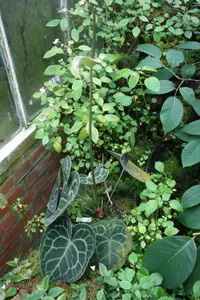
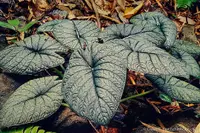
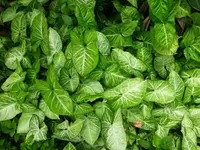
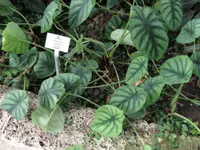
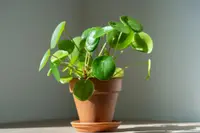
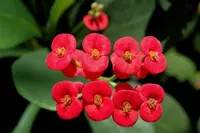
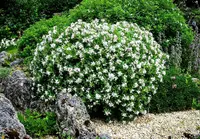
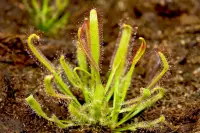

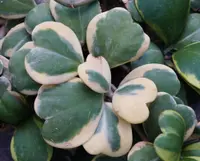
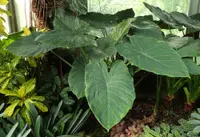

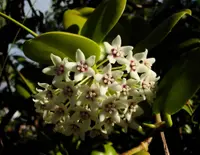
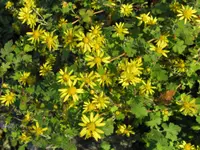
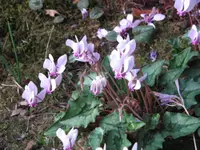
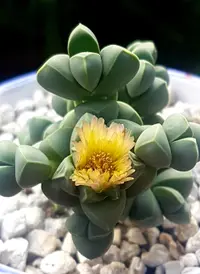
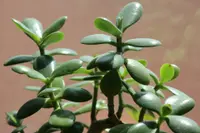
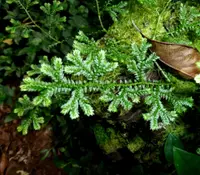
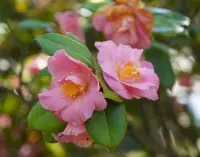
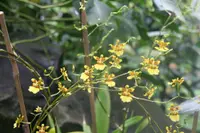
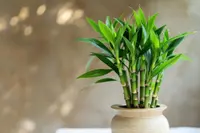





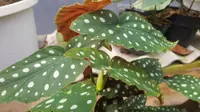
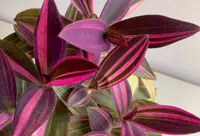
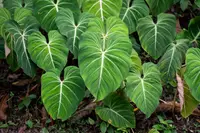
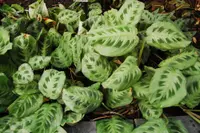
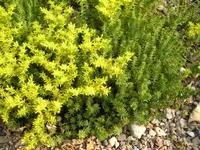
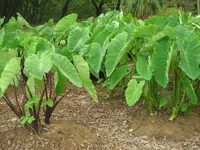
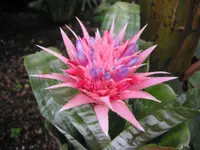
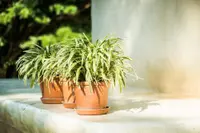
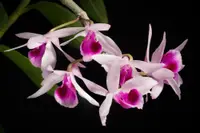
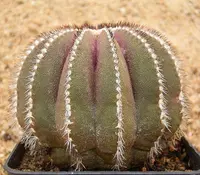
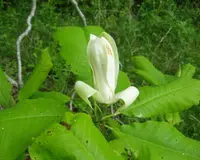
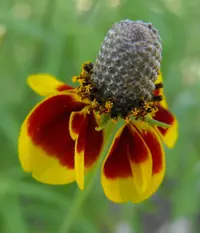

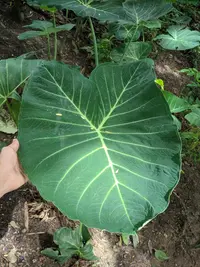
How Many Plant Species Are There?
To date, scientists have described approximately 390,000 species. Most of these are flowering ones — about 369,000 species, or almost 94% of the total.
Other groups are significantly smaller. Ferns have about 10,500 species, and mosses about 12,000. Conifers have about 615 species, and cycads about 350.
Gymnosperms, which include conifers and cycads, together number just 1,100 species. Researchers describe about 2,000 new species each year, mostly in tropical forests. The actual number of all plants is likely higher, as many regions remain poorly studied. Below, you can find more information about the number of species in each group.
Group | Known species (approx.) |
Flowering | 369,000 |
Ferns | 10,500 |
Mosses | 12,000 |
Conifers | 615 |
Cycads | 350 |
Vascular And Non-Vascular Plants
Vascular plants have transport tissue, xylem and phloem, that function like veins. They transport water and nutrients throughout the plant, which allows it to grow tall. Oaks, roses, and tree ferns belong to this group.
Nonvascular plants lack this tissue, so they remain small and low to the ground. They absorb water directly through their leaves, which is why they need damp surroundings. Common examples include mosses, liverworts, and hornworts. Together, they form the bryophytes, the oldest known land species.
Two Ways Plants Make the Next Generation
Not all plants reproduce the same way. Seed plants enclose the embryo in a package that contains its own supply of nutrients. This protects the young species and allows it to begin growing early. More than 260,000 species use this method, and the seeds can spread long distances from the motherplant, carried by wind, water, or animals.
Other species use spores. Ferns, mosses, and horsetails secrete these tiny cells, which require a moist surface to grow. Spore-bearing plants covered the earth long before seed types appeared.
What You'll Find in This Plant List
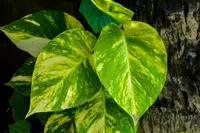
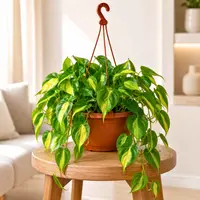
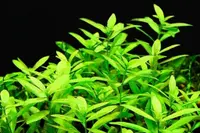
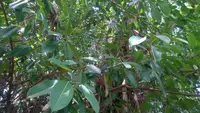
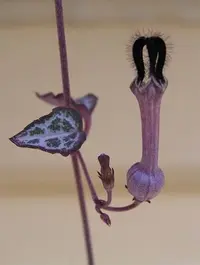
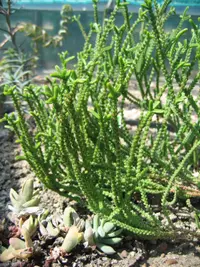
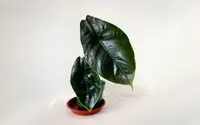
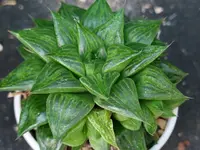
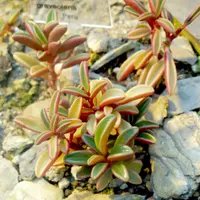
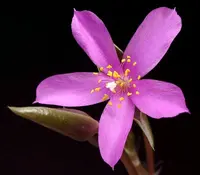
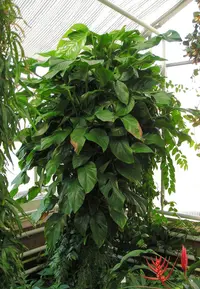
This list of plants covers species from all branches of the green kingdom. You'll find flowering species (Cyclamen), trees (Southern magnolia), ferns (Bird's nest fern), mosses (Silvergreen bryum moss), succulents (Kambroo), herbs (Spearmint), shrubs (Beach rose), vines (Golden pothos), aquatics (Dwarf sagittaria), carnivorous plants (Cape sundew), and cycads (Sago palm).
Everything is sorted from A to Z, so common plant names are placed next to rarer ones. The list includes both houseplants and garden plants, as well as wild species from around the world.