



Subtropical Plants List
Naturally, these plants are from regions with warm temperatures and moderate seasonal changes. They will bring special beauty to your collection.
Find Plants by Letter
 POPULAR
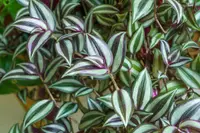
Wandering Jew
Tradescantia zebrina
 POPULAR
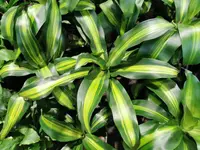
Corn Plant
Dracaena fragrans
 POPULAR
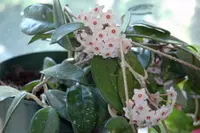
Wax Plant
Hoya carnosa
 POPULAR
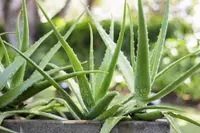
Aloe
Aloe vera
 POPULAR
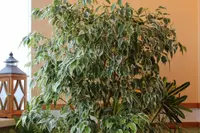
Weeping Fig
Ficus benjamina
 POPULAR
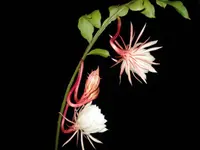
Queen of The Night
Epiphyllum oxypetalum
 POPULAR
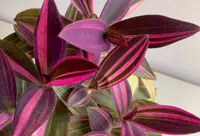
Purple Heart
Tradescantia pallida
 POPULAR
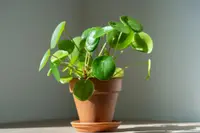
Chinese Money Plant
Pilea peperomioides
 POPULAR
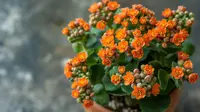
Flaming Katy
Kalanchoe blossfeldiana
 POPULAR
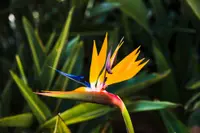
Giant White Bird of Paradise
Strelitzia nicolai
 POPULAR
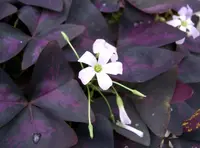
False Shamrock
Oxalis triangularis
 POPULAR
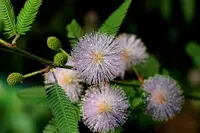
Sensitive Plant
Mimosa pudica
 POPULAR
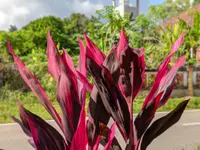
Ti Plant
Cordyline fruticosa
 POPULAR
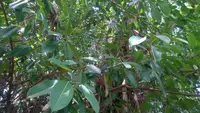
Rubber Tree
Ficus elastica
 POPULAR
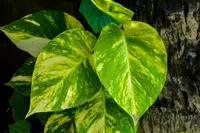
Golden Pothos
Epipremnum aureum
 POPULAR
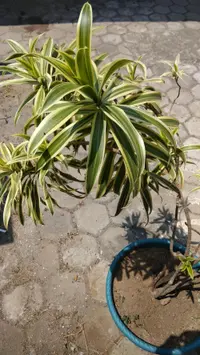
Song of India
Dracaena reflexa
 POPULAR
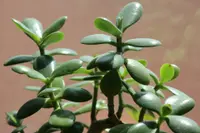
Jade plant
Crassula ovata
 POPULAR
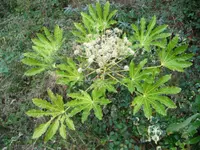
Japanese aralia
Fatsia japonica
 POPULAR
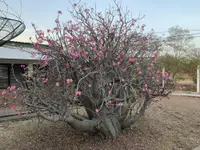
Desert Rose
Adenium obesum
 POPULAR
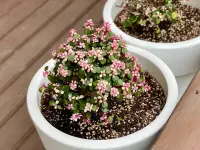
Elephant Bush
Portulacaria afra
 POPULAR
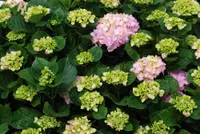
Bigleaf Hydrangea
Hydrangea macrophylla
 POPULAR
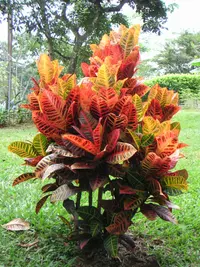
Garden croton
Codiaeum variegatum
 POPULAR
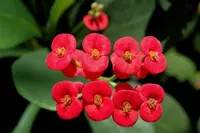
Crown-of-thorns
Euphorbia milii
 POPULAR
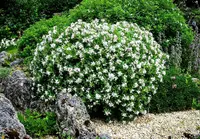
Cape jasmine
Gardenia jasminoides
What’s Special About Subtropical Plants
Subtropical plants are either native or well-adapted to the subtropical climate — the one that stands between the high temperatures and humidity of tropical zones and the balanced environment of temperate zones.
The average annual temperature in such zones is around 65°F (18°C). Winters are mild, 42-64°F (6-18° C) in the coldest month, while in summer, temperatures may reach 86+°F (30+°C). Humidity depends on the region, but it’s usually moderate.
This largely explains the flexibility of the group. Unlike tropical plants, most subtropical species tolerate occasional cold and seasonal dryness well.
The Variety of Species and Garden Use
The category includes thousands of species. These are flowering shrubs and perennials, such as Cape jasmine or Chinese hibiscus, and multiple palms. Citrus plants are also subtropical, and so are ornamental grasses, succulents, agaves, and xerophytes.
However, the key group is houseplants, such as Corn plant, Song of India, Weeping fig, Rubber tree, and African mask.
These plants grow best in Mediterranean-style gardens, USDA Hardiness Zones 8-11, or any other climate zones with mild winters and hot summers. Houseplants thrive in warm, humid indoor spaces.
Still, all these species have their unique requirements. You can see the subtropical plants’ list above — click on their profiles and check what lighting, temperature, and humidity each needs.