



Hanging Plants
Explore hanging plants that turn shelves and balconies into great green displays. Looking for easy-care favorites or trailing foliage? You'll find plenty of inspiring options here.
Find Plants by Letter
 POPULAR
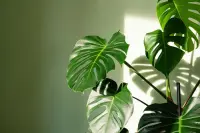
Monstera
Monstera deliciosa
 POPULAR
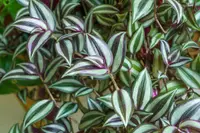
Wandering Jew
Tradescantia zebrina
 POPULAR
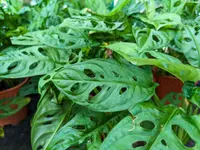
Swiss Cheese Vine
Monstera adansonii
 POPULAR
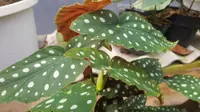
Polka Dot Begonia
Begonia maculata
 POPULAR
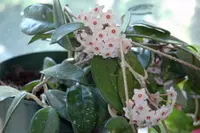
Wax Plant
Hoya carnosa
 POPULAR
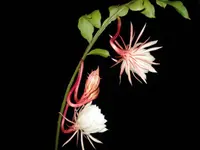
Queen of The Night
Epiphyllum oxypetalum
 POPULAR
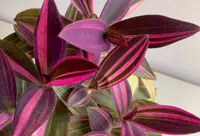
Purple Heart
Tradescantia pallida
 POPULAR
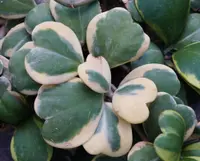
Hoya Hearts
Hoya kerrii
 POPULAR
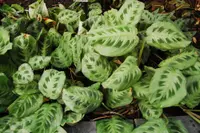
Prayerplant
Maranta leuconeura
 POPULAR
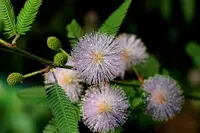
Sensitive Plant
Mimosa pudica
 POPULAR
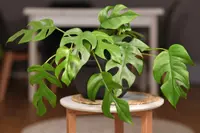
Mini Monstera
Rhaphidophora tetrasperma
 POPULAR
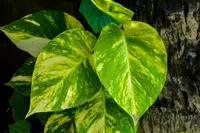
Golden Pothos
Epipremnum aureum
 POPULAR
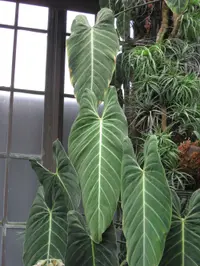
Philodendron melanochrysum
Philodendron melanochrysum
 POPULAR
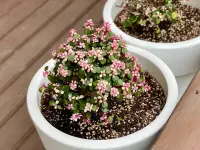
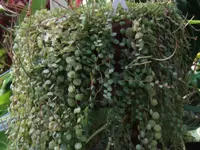
Elephant Bush
Portulacaria afra
 POPULAR
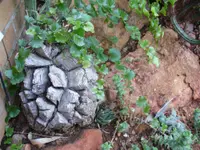
String of Turtles
Peperomia prostrata
 POPULAR
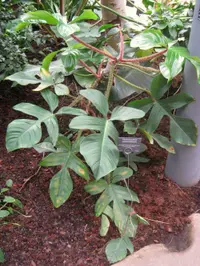
Elephant's Foot Plant
Dioscorea elephantipes
 POPULAR
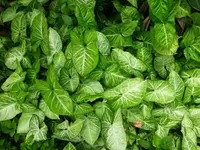
Philodendron squamiferum
Philodendron squamiferum
 POPULAR
Arrowhead Vine
Syngonium podophyllum
 POPULAR
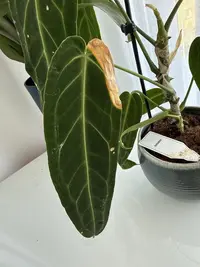
Queen Anthurium
Anthurium warocqueanum
 POPULAR
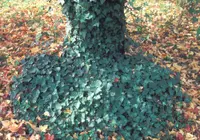
English Ivy
Hedera helix
 POPULAR
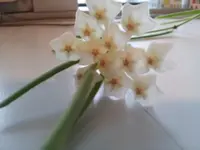
Hoya linearis
Hoya linearis
 POPULAR
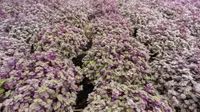
Turtle Vine
Callisia repens
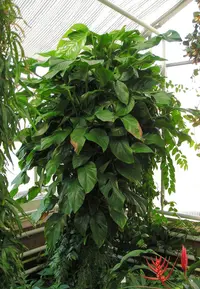 POPULAR
Window-Leaf Monstera
Monstera obliqua
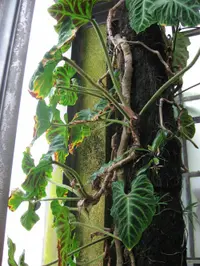 POPULAR
Philodendron verrucosum
Philodendron verrucosum
Hanging & Trailing Plants: Actual Growth Pattern Explained
True trailing plants naturally have a cascading growth habit. They grow long, arching, or drooping stems downward over edges. The stems lengthen progressively and begin to hang under their own weight. So, if you place such a plant in a basket, on a shelf, on a wall bracket, or in a high pot, it automatically becomes a hanging one. This adjective refers to the way it’s displayed.
There’s another category that true trailing and hanging plants shouldn’t be confused with. These are spilling species. They can trail under certain conditions, for example, if there is no proper support system. The true trailing types include pothos, string of pearls, and burro’s tail. Asparagus fern and Silver spurflower are spilling, not trailing species.
Indoor vs. Outdoor Hanging Plants Needs
The long list of hanging plants can be divided into two main categories: indoor and outdoor varieties. Each comes with its own set of needs, including watering and basket size requirements.
Indoor species like Golden pothos or Heartleaf philodendron need low to medium indirect light and watering every 5-14 days depending on the type. They also prefer stable temperatures and tolerate drier air. Most outdoor species like petunias or lobelia need full or at least half-day sun. They need watering once or even twice a day during the peak heat.
Also, outdoor species usually need larger pots, 12-18 inches in diameter, to retain water for a longer period. Indoor plants can thrive in 4-10-inch sizes.
How to Choose and Care for Hanging Plants
All hanging plants need a proper drainage system — that’s the fundamental rule. Without it, they become prone to root rot and fungal infection. Other care conditions vary depending on the species, so you can choose one that fits your expectations.
For example, succulents need a lot less water than tropical species and at least 4-6 hours of direct sun. Indoor types, in general, need lighter fertilization compared to species growing outdoors. On this page, you can find not only hanging plant names with pictures but also their full profiles, care recommendations, and environmental tips.