



Biennial Plants
These plants complete their life cycle over two seasons. Explore charming varieties that produce leafy growth in their first year and bloom in the second.
Find Plants by Letter
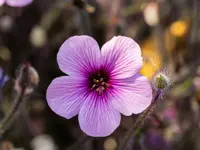
Madeira Cranesbill
Geranium maderense
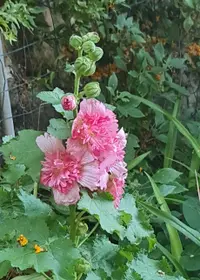
Hollyhock
Alcea rosea
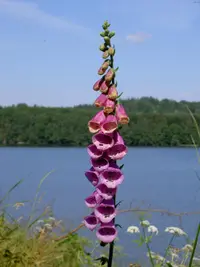
Foxglove
Digitalis purpurea
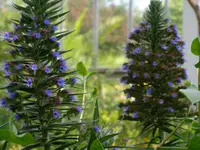
Pine echium
Echium pininana

broccoli
Brassica oleracea
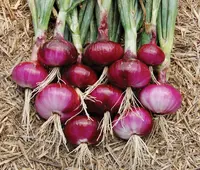
bulb onion
Allium cepa
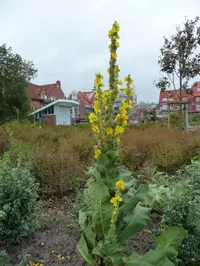
great mullein
Verbascum thapsus

Queen Anne's lace
Daucus carota
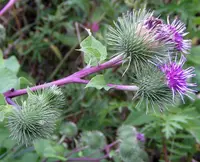
greater burdock
Arctium lappa
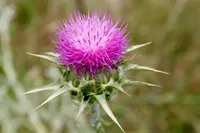
milk thistle
Silybum marianum

bitter lettuce
Lactuca virosa
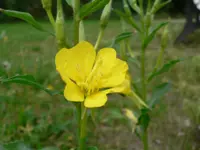
evening primrose
Oenothera biennis
field mustard
Brassica rapa

common beet
Beta vulgaris
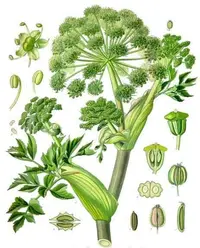
garden angelica
Angelica archangelica
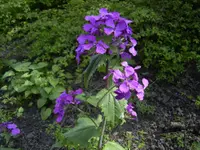
annual honesty
Lunaria annua
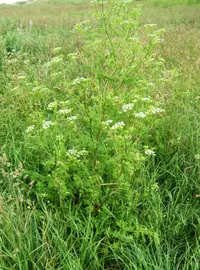
poison hemlock
Conium maculatum
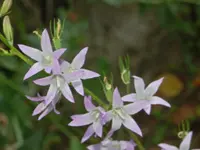
rampion
Campanula rapunculus
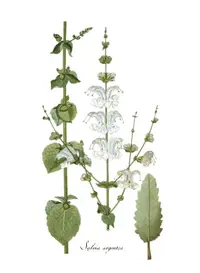
silver sage
Salvia argentea
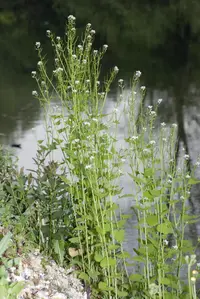
Garlic Mustard
Alliaria petiolata
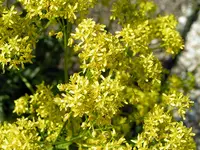
Dyer's woad
Isatis tinctoria
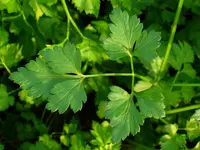
parsley
Petroselinum crispum

Mustard
Brassica oleracea var. italica
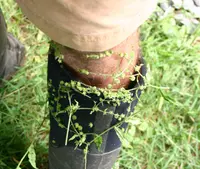
beggarslice
Hackelia virginiana
Unique Features & Life Cycle of Biennial Plants
Biennial translates as “two-year” from Latin, and that pretty much explains what this category of plants is. It includes all flowering species that complete their life cycle in two seasons. During the first one, they build themselves up. During the second, they reproduce before they’re gone.
Biennials occupy a middle position between annuals and perennials in terms of priorities. Annuals focus heavily on reproduction during their only season. Perennials invest in roots and long-term survival strategies. Biennials build roots, stems, and leaves during the first season and then shift their main focus to flowers, fruit, and seeds.
The popular biennial plants list isn’t as long as that of annuals or perennials. Biennials are less common overall. Still, the category includes some popular species, such as Great mullein, Foxglove, and Hollyhock.
Planning Considerations & Suitable Garden Styles
Biennials have many benefits, including early spring flowering, self-seeding for certain species (e.g., Forget-me-nots, Sweet Williams, Honesty flowers), and overall hardiness. However, they also require yearly sowing between mid-June and mid-July — that’s how you establish the rotation between the first-year rosettes and full-scale flowering and avoid the “empty season”.
These plants are great border fillers. They also fit different gardens: cottage, meadow, shaded, gravel, and dry ones. You just need to choose the compatible species that will thrive in your environment. You can see biennial plants’ names and pictures above — click on any of them, learn full information about their environmental needs and care requirements, and pick the best option.