Succulent Identification
Take a Photo & Identify Your Succulent
Botan makes succulent identification easy. With our app, you get it all: instant recognition powered by advanced AI, science-backed care tips, and treatment plans.


Take a Photo & Identify Your Succulent
Botan makes succulent identification easy. With our app, you get it all: instant recognition powered by advanced AI, science-backed care tips, and treatment plans.
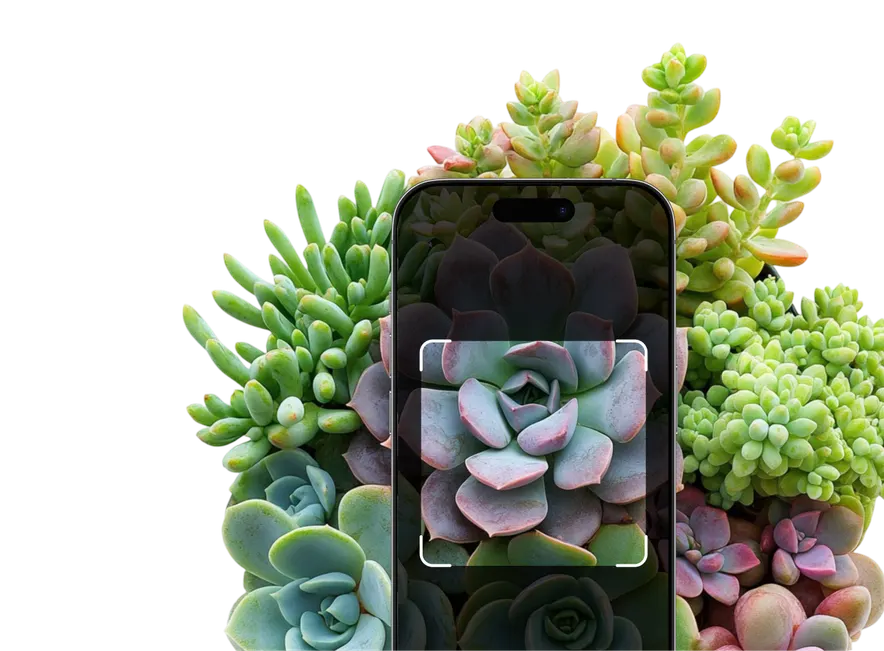
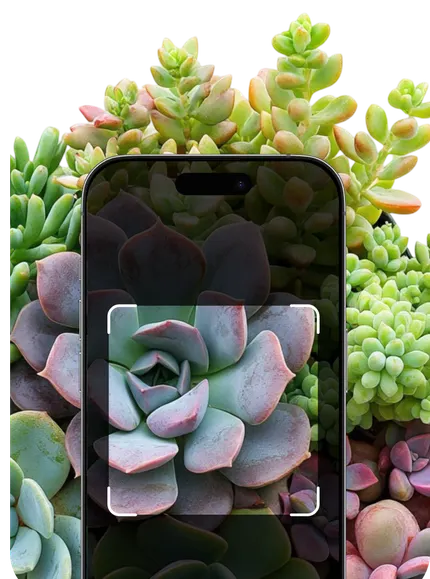

Plant Identifier Online for Free
Use easy-to-see images for the best plant ID results. Try not to take photos from very far away.
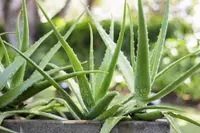 POPULAR
Aloe
Aloe vera
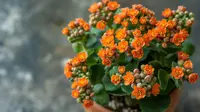 POPULAR
Flaming Katy
Kalanchoe blossfeldiana
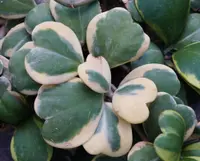 POPULAR
Hoya Hearts
Hoya kerrii
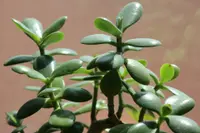 POPULAR
Jade plant
Crassula ovata
 POPULAR
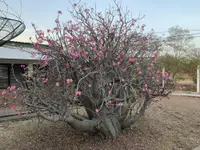
Desert Rose
Adenium obesum
 POPULAR
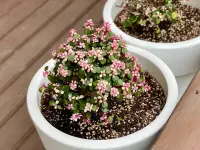
Elephant Bush
Portulacaria afra
 POPULAR
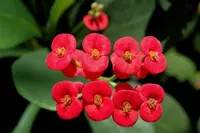
Crown-of-thorns
Euphorbia milii
 POPULAR
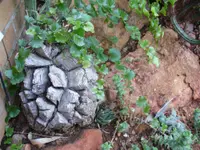
Elephant's Foot Plant
Dioscorea elephantipes
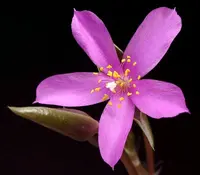 POPULAR
Sand Rose
Anacampseros rufescens
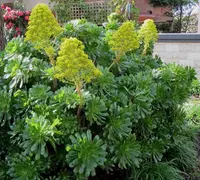 POPULAR
Tree Aeonium
Aeonium arboreum
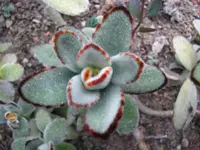 POPULAR
Panda Plant
Kalanchoe tomentosa
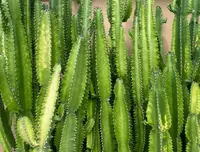 POPULAR
African Milk Tree
Euphorbia trigona
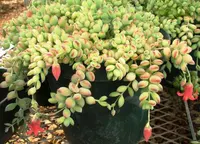 POPULAR
Cliff Cotyledon
Cotyledon pendens
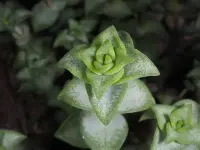 POPULAR
String of Buttons
Crassula perforata
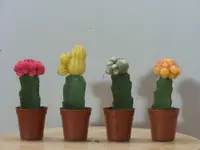 POPULAR
Moon Cactus
Gymnocalycium mihanovichii
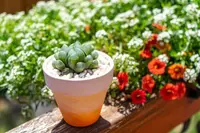 POPULAR
Bristle Haworthia
Haworthia cooperi
 POPULAR
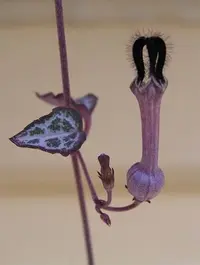
Rosary Vine
Ceropegia woodii
 POPULAR
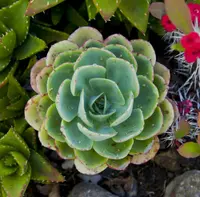
Mexican Snowball
Echeveria elegans
 POPULAR
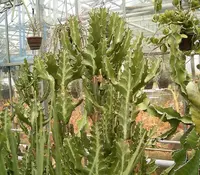
Mottled spurge
Euphorbia lactea
 POPULAR
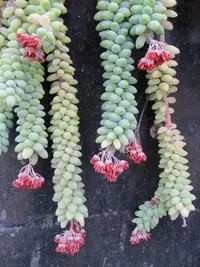
Burro's tail
Sedum burrito
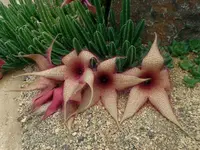 POPULAR
Carrion plant
Stapelia gigantea
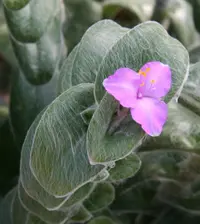 POPULAR
White Velvet
Tradescantia sillamontana
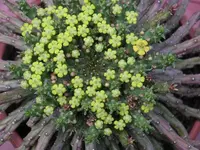 POPULAR
Sea Milkball
Euphorbia flanaganii
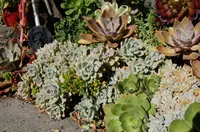 POPULAR
Ghost-plant
Graptopetalum paraguayense
What kind of succulent do I have? With Botan, you don’t need to guess. We made the entire process simple yet effective:
If the results are unclear, you can reupload a photo or contact our experts for professional advice.
Succulent plants are very diverse. However, you don’t need to learn all 10,000+ species to be able to identify them. Just focus on their distinct features instead. These are the leaf shape, leaf arrangement, surface, and texture.
Here are some examples of how such an approach to succulent plants identification can work:
What You See | Possible Types | Common Example |
Triangular, thick leaves with serrated edges | Aloe family | |
Perfectly symmetrical rosette form, waxy leaves | Stonecrop family | |
Leafless, high, ribbed vertical stem | Cactus family | |
Tree-like, opposite, round leaves | Stonecrop family | |
Club-shaped, vertical leaves with “windows” | Ice plant family | |
Densely fuzzy rosette leaves | Stonecrop family |
If you want to know how to identify succulents, start with leaves. They are quite distinctive and can significantly narrow the search. The most common shapes are:
Note that leaves are often reduced, absent, or very small. Their functions are taken by the stem. In this case, you should focus on the plant's structure, height, and overall shape. The perfect examples are most species in the cactus family, or a pencil tree.
The arrangement type is genetically fixed and consistent. Unlike shapes and flowers, it doesn’t change during the growth stages and falls into a few main types:
Use this feature to narrow the search and distinguish succulent look-alikes that have similar leaves but different structures.
Take a closer look at the succulent’s surface to find out if it’s:
When you combine all the features, from leaf shape to texture, you’ll identify succulents much more accurately.
There are multiple types of succulents, so it’s easy to make some mistakes when trying to recognize them. Still, if you know the common pitfalls, you can avoid them quite easily:
Of course, identifying species ID manually is more complex than using the Botan detector. Still, if you follow the step-by-step approach and avoid the most common mistakes, you’re likely to succeed.
With Botan, succulent ID is made simple. Our app’s features aren’t limited to those of a typical scanner. We offer more than just that, including:
The Botan succulent identifier is designed to make your entire growing journey seamless and stress-free.
Botan provides 98% accuracy, so mistakes are very rare. Still, if you are not sure the result is correct, upload a new photo. Ensure all the distinctive features (leaves, needles, plant texture, flowers, etc.) are visible.