Nut Identification
Quick Nut Identification by Photo
Don’t wonder, “What kind of nut is this?” Use Botan and get your answer fast.


Quick Nut Identification by Photo
Don’t wonder, “What kind of nut is this?” Use Botan and get your answer fast.


Plant Identifier Online for Free
Use easy-to-see images for the best plant ID results. Try not to take photos from very far away.
pistachio nut
Pistacia vera
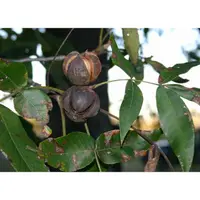
shagbark hickory
Carya ovata
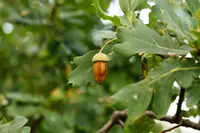
cork oak
Quercus suber
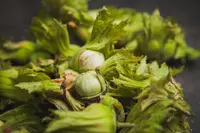
Common Hazel
Corylus avellana
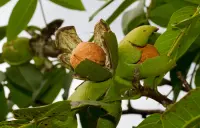
Persian Walnut
Juglans regia
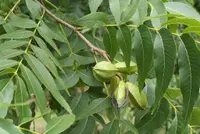
pecan
Carya illinoinensis
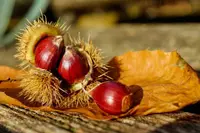
Sweet Chestnut
Castanea sativa
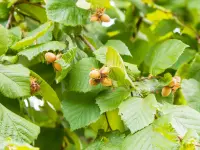
American hazelnut
Corylus americana
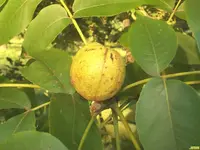
pignut hickory
Carya glabra
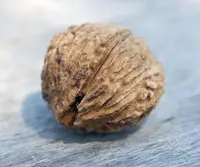
black walnut
Juglans nigra

Chinese chestnut
Castanea mollissima
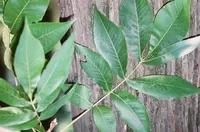
shellbark hickory
Carya laciniosa
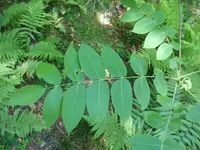
butternut
Juglans cinerea
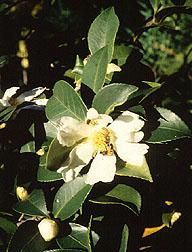
Tea-oil Camellia
Camellia oleifera
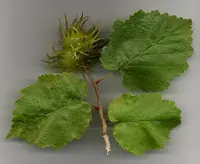
Turkish hazelnut
Corylus colurna
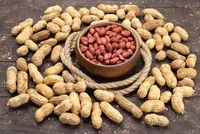
Pindar
Arachis hypogaea
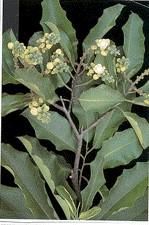
brazilnut
Bertholletia excelsa
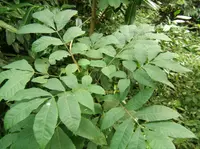
bitternut hickory
Carya cordiformis
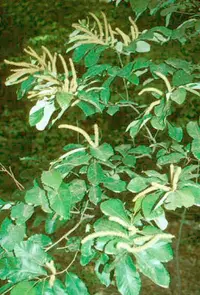
chinquapin
Castanea pumila
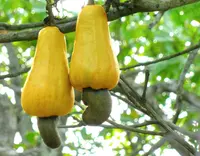
cashew
Anacardium occidentale
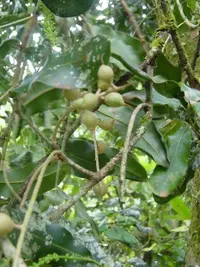
macadamia nut
Macadamia integrifolia
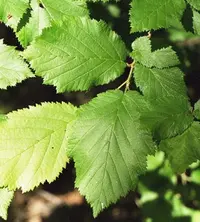
beaked hazelnut
Corylus cornuta
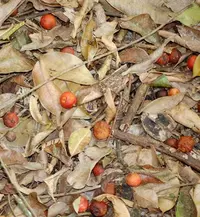
breadnut
Brosimum alicastrum

Almond
Prunus amygdalus
In botany, a nut is a dried fruit that doesn’t rupture when it matures to release its single seed. There are dozens of nut types, and their recognition is usually tied to their geometry, shell texture, and connection to the ground and tree. It’s important to understand the visual differences among species to identify nuts correctly by hand.
The shape is the first thing people consider when identifying what this nut is. The most common geometrical types are:
The shape is quite informative, yet it’s not the only factor you should consider in identification.
The external shell structure also contains a ton of information. Depending on the outer texture, all shells can be divided into:
The shell type is formed during growth and influences its strength and moisture content.
If you identify a nut when it’s still attached to the branch or is lying on the ground, you can get a ton of extra features, like the protective husk and leaves of the tree or plant. That’s why examining the ground and tree connection is an excellent final diagnostic check that can help confirm your identification.
For example, black walnuts have a green-to-yellowish husk that stains your hands. And as for the tree features, it has large branches, deeply grooved bark, and compound leaves. When you see those in addition to classical walnut features, you can be sure that you have detected correctly. But if you are not sure, snap a photo in Botan and check.
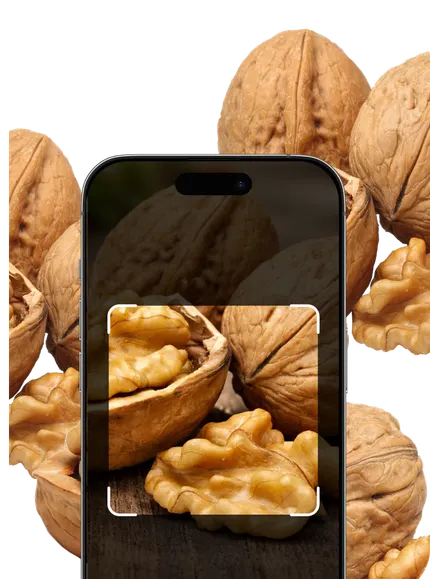
Our AI-powered identifier is fast and easy to use. Here’s a short step-by-step guide to help you out:
Botan recognizes nuts and other plants with an advanced 98% accuracy. Yet you should not consume nuts when foraging solely based on the app's judgment.
Here are the 5 most common types, along with a short guide to identifying them by visual characteristics.
Species | What you see |
Hazelnut (Corylus avellana) | Hazelnuts commonly grow in small clusters. The nut is half-hidden inside the fringed green wrapper. It has an oval shape and a smooth texture. It’s often used in food. |
Acorn (Quercus species) | Acorns are usually oval to elongated, often with a rounded base and sometimes a pointed tip, depending on the oak species. |
Walnut (Juglans species) | On the branch, walnuts look like solid green tennis balls. They are round and smooth when they are in hull, but the shell itself is deeply wrinkled. |
Chestnut (Castanea species) | Chestnuts grow inside bright green, round burrs covered with long, sharp spines. |
Almond (Prunus dulcis) | Almonds have a teardrop shape and a dimpled surface. On the tree, almonds grow inside grey-green fruit. |
Take your photo in a well-lit environment or use flash, and make sure all parts are in the shot. Include a photo of a shelled and unshelled version. You can also use a coin for a size reference.