Grass Identification
Identify Grasses: Fast, Accurate, Free
The Botan grass identification tool analyzes photos of blades, stems, and growth patterns to return a precise species match within seconds.


Identify Grasses: Fast, Accurate, Free
The Botan grass identification tool analyzes photos of blades, stems, and growth patterns to return a precise species match within seconds.

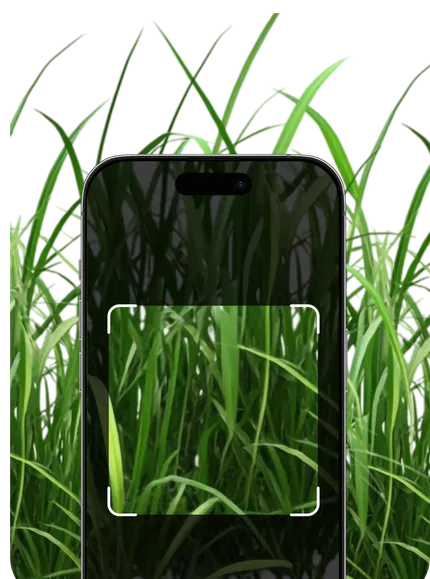

Plant Identifier Online for Free
Use easy-to-see images for the best plant ID results. Try not to take photos from very far away.
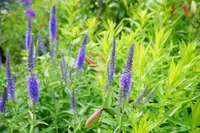
Monkey grass
Liriope muscari

Paper Reed
Cyperus papyrus

Needle Spikerush
Eleocharis acicularis
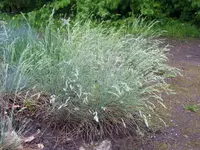
Blue fescue
Festuca glauca

Maiden grass
Miscanthus sinensis
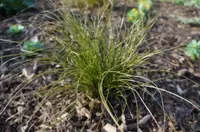
Orange sedge
Carex testacea
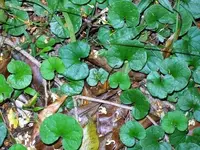
Kidney weed
Dichondra repens

Pampas grass
Cortaderia selloana
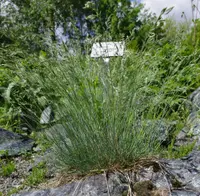
Spiky Fescue
Festuca gautieri
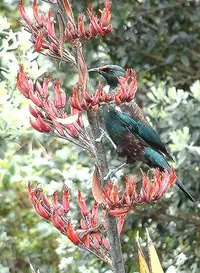
New Zealand flax
Phormium tenax
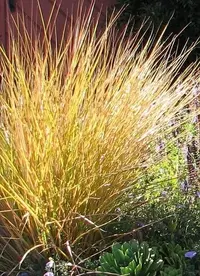
New Zealand Wind Grass
Anemanthele lessoniana

Giant reed
Arundo donax
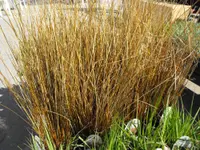
Buchanan's Sedge
Carex buchananii
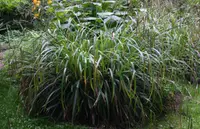
pendulous sedge
Carex pendula
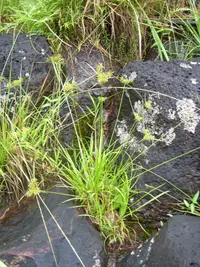
dwarf papyrus
Cyperus haspan
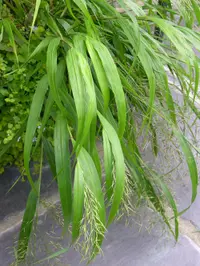
Japanese forest grass
Hakonechloa macra
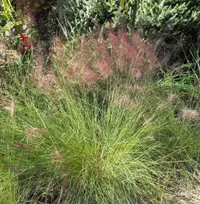
Pink muhly grass
Muhlenbergia capillaris
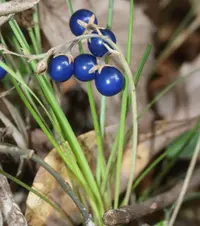
Mondo grass
Ophiopogon japonicus
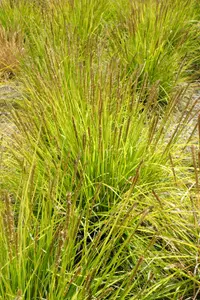
Autumn moor grass
Sesleria autumnalis
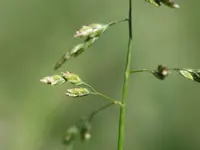
annual bluegrass
Poa annua
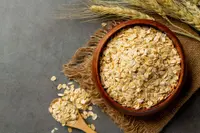
common oat
Avena sativa
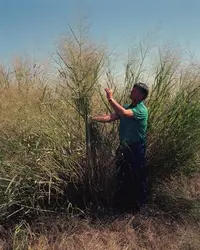
switchgrass
Panicum virgatum

rough bluegrass
Poa trivialis
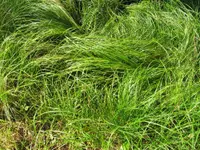
Pennsylvania sedge
Carex pensylvanica
What kind of grass is this? You can get an identification result in less than a minute. Here is how the process works:
If something goes wrong, try to take another photo and upload it again.
Accurate grass identification relies on observing very specific structural characteristics, because many species look nearly identical from a distance.
The most helpful visual clues for species ID are the width of the blades, blade texture, and color, and the combination of all three points narrows down possibilities quickly.
It is one of the most important structural markers, and it tends to stay stable regardless of seasonal variation or mowing height. Measuring blade width on grass identification pictures is an effective first filter before examining other markers. Here are the major blade widths:
When taking a photo, place a ruler or coin in the frame to establish a reliable scale.
Blade texture is an important characteristic if you want to identify grass type by photo because it reflects the surface structure of the leaf epidermis. This feature remains constant across individual plants of the same species. The most common blade textures are:
Macro scales improve the visibility of surface texture. For the most accurate identification, take a photo at an angle that exposes it to direct light, as this highlights both the ridges and fine hairs.
If you still don’t know what this grass is, color can help clarify identification, especially when combined with blade width and texture. Shade differences are most visible when comparing adjacent patches in similar light conditions. These are the most typical colors:
Keep in mind that fertilizers, watering, and soil pH can temporarily alter the color of a lawn, so it's better to evaluate shade in conjunction with structural features. Taking photos under natural light will provide the most realistic color reproduction for comparison.
Making grass identification from its visual markers allows you to apply the right watering schedule, mowing height, and fertilizer timing. Each species has specific requirements that directly affect turf quality. The table below reveals the most telling features of five widely grown yard species alongside the regions where they perform best.
What You See | Where It Grows | Common Example |
Boat-shaped leaf tips, dense, rich green turf that forms a thick, uniform mat | Cool-season lawns in northern and transitional zones | |
Flat, wide blades with a prominent midrib and coarse surface texture | Warm-season lawns across the southeastern and Gulf Coast regions | |
Fine, wiry blades that feel dense and springy underfoot; tends to go dormant and turn tan in winter | Warm-season lawns and athletic fields throughout the South | |
Broad, flat blades in a distinctive blue-green hue with a papery feel when dry | Shaded lawns and high-traffic areas in warm, humid climates | |
Rolled sheaths forming round stems, medium-width blades, and a distinctive boat-shaped tip | Cool-season lawns in the northern US are often mixed with Kentucky Bluegrass |
Most plant identifier apps are built around flowering plants and trees, so they often don’t work for distinguishing species. Unlike them, our grass ID app was trained to analyze the micro-features that standard agricultural applications routinely miss: blade venation patterns, sheath cross-section shape, ligule and auricle presence, and root spread geometry.
In addition, Botan’s grass identification app has many other advantages:
Botan tells apart highly similar species such as fine fescue varieties and the near-identical young growth of bermudagrass and zoysiagrass.
Yes. Botan’s identification tool relies primarily on blade shape, texture, color, and stem structure, not seed heads, so the app returns accurate results at any point in the growing season.