common oat Care (Avena sativa)

Also known as: Oat, Cultivated Oat, Sativa Oats
common oat

About common oat

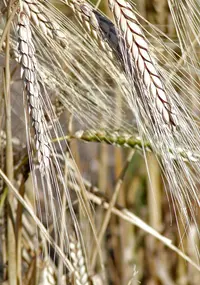
Common oat, Avena sativa, is an annual grass grown mainly for its edible seeds. It forms upright, hollow stems with narrow leaves and loose, nodding flower clusters. In fields it grows as a dense stand, but it can also be grown in small patches or containers for ornamental or educational use. The species originated in temperate regions of Europe and western Asia and is now cultivated widely in cooler climates. It is generally considered easy to grow if given full sun, moderate moisture, and well-drained soil, so learning how to care for common oat is straightforward for most gardeners.

Main Plant Requirements

Care Difficulty

Easy Care

Light Preference

Full Sun

Water Requirements

Regular Water

Temperature Preference

Cool Climate

Hardiness Zone

3–9

Soil Texture

Sandy, Loamy, Silty

Soil pH

Acidic (5.5–6.5), Slightly acidic (6.5–7.0)

Soil Drainage

Moist but well-drained

Fertilization

Light (every 4–6 weeks)

Get Personalized Care Plan

Scan your plant to receive care tips personalized for your specific plant

Available on iOS and Android

How to Care for the common oat

This cool-season cereal grass needs consistent sun to produce healthy, full seed heads.

  • Provide 6–8 hours of direct sun daily; in hot regions, prioritize morning sun with light afternoon shade to avoid leaf scorch.
  • Plants tolerate light partial shade (around 3–4 hours sun), but common oat will grow taller, weaker stems and reduced yield under lower light.
  • Avoid shading from tall crops or buildings, especially in late spring; ensure rows are oriented to minimize self-shading as the sun angle changes seasonally.

This annual grass prefers steady soil moisture without staying waterlogged.

  • Water when the top 3–5 cm of field soil feels dry; aim for consistently moist, crumbly soil, especially during germination and early tillering.
  • Use well-drained loam or sandy loam; standing water, a sour smell, or wilting with wet soil indicates overwatering and root stress.
  • In cool spring, moisture needs are moderate; increase water during rapid stem growth and heading, and reduce slightly as grains mature to limit lodging.

This cool-season crop grows best in mild conditions and struggles with high heat or severe cold.

  • Optimal growth occurs at 55–70°F (13–21°C); germination starts near 40°F (4°C) but is faster above 50°F (10°C).
  • Avena sativa seedlings tolerate light frosts down to about 25–28°F (-4 to -2°C), but prolonged freezes or icy winds can damage young leaves.
  • Growth slows sharply above 80°F (27°C); sustained heat over 86°F (30°C) during heading and grain fill can reduce yield and cause premature drying.

Humidity is not a critical factor for Avena sativa, which adapts well to typical outdoor and indoor air levels.

Avena sativa prefers moderately fertile, loose soil that drains well but retains some moisture.

  • Use a loamy mix made from garden soil, compost, and coarse sand to balance nutrient content, drainage, and moisture retention.
  • Aim for slightly acidic to neutral pH, around 6.0–7.0, to support nutrient availability and healthy root growth.
  • Improve aeration by incorporating 10–20% coarse material such as grit or perlite, especially in heavier soils.
  • Avoid compacted, heavy clay or waterlogged conditions, which restrict roots and increase the risk of rot.

This species can be grown in containers for small-scale or educational crops if pot depth and stability are managed carefully.

  • Choose a deep container, at least 20–25 cm, so roots can explore vertically and anchor the upright stems.
  • Use a wide, relatively heavy pot or add weight at the base to reduce tipping as the oat stems become top-heavy.
  • Water thoroughly until drainage holes run, then allow the upper 2–3 cm of mix to dry so roots receive both moisture and air.

Nutrient needs for Avena sativa are moderate, especially in poor soils or container culture.

  • Use a balanced NPK fertilizer (for example 10-10-10) or well-rotted compost worked into the topsoil before sowing.
  • Apply light feedings every 4–6 weeks during active spring–summer growth if soil is low in organic matter.
  • Dilute liquid fertilizer to 1/2 strength for container-grown common oat to prevent salt buildup and weak, lush growth.
  • Stop or greatly reduce feeding in late fall and winter, when plants are dormant or finished for the season.

Pruning needs for Avena sativa are minimal and mainly relate to crop hygiene and handling.

  • Cut seed heads with clean shears when grains are at the desired maturity for harvest, which also tidies plant tops.
  • Remove dead, broken, or diseased stems at the base during or after the growing season to limit fungal spread.
  • Thin out crowded, weak plants at the seedling stage using scissors instead of pulling to avoid disturbing neighboring roots.
  • After the crop finishes, mow or cut plants near soil level, then incorporate residues or remove them to manage self-seeding.

Common oat is usually field-sown, so transplanting focuses on moving young seedlings rather than long-term container culture.

  • Transplant if seedlings are overcrowded, stunted, or if roots start circling a nursery plug or tray cell.
  • Schedule moves for cool, overcast days in early spring, when plants are 5–10 cm tall and have several true leaves.
  • Oats typically complete their life cycle in a single season, so containers rarely need more than one crop per pot.
  • Water seedlings well before and after transplanting, handle by the leaves, and firm soil gently to limit root stress and air gaps.

Avena sativa is propagated almost exclusively by seed for both agricultural and small-scale garden use.

  • Sow seeds in early spring once soil is workable, aiming for cool conditions of roughly 50–65°F for best germination.
  • Prepare a fine, weed-free seedbed and place seeds about 1–2 cm deep, then firm soil lightly for good seed–soil contact.
  • Keep soil evenly moist, not waterlogged, until seedlings are well established and show several true leaves.
  • For dense stands, broadcast seed and rake in lightly; for small beds or containers, sow in shallow rows for easier management.

As a cool-season annual, Avena sativa usually ends its life cycle before or during winter and needs little specific winter care.

  • Established plants tolerate light frosts, but hard freezes can damage green tissue and reduce grain quality.
  • In colder regions, sow early enough so plants mature before severe winter or choose winter-hardy varieties for fall sowing.
  • Apply a light mulch to fall-sown oats after emergence to moderate soil temperature and reduce heaving in exposed sites.
  • For container plantings in cold climates, move pots against a sheltered wall to limit root freezing and excessive drying.

Care Tips

Dense sowing rows

Sow in narrow bands (5–8 cm wide) rather than single lines to create a self-supporting stand that shades soil, reduces weed pressure, and lowers lodging risk.

Progressive thinning

Once seedlings reach 5–8 cm tall, thin in two stages over 1–2 weeks instead of all at once to reduce stress and help identify the strongest, most vigorous plants to keep.

Timely structural support

In windy or exposed sites, install low mesh, twine grids, or pea netting at 15–20 cm height before stems elongate so plants grow through the support rather than needing to be tied later.

Targeted leaf inspection

Inspect the undersides of lower and mid-level leaves every few days, especially in humid or crowded stands, to detect early signs of rust, aphids, or leaf blotch before they spread to the whole planting.

Staggered harvest timing

For fresh oat greens or cat grass use, cut only the top third of foliage and allow regrowth, but for grain allow panicles to turn mostly golden and firm, then harvest in the cool part of the day to reduce shattering losses when growing common oat.

Common Pests and Diseases

Crown rust

This disease causes orange to bright rust-colored pustules on leaves and leaf sheaths, which can merge into large patches and reduce plant vigor. Symptoms include premature leaf yellowing and reduced grain fill in dense stands.

Solution

Use resistant oat varieties when available and avoid planting oats near barberry, which is an alternate host. In home or small-scale settings, remove and destroy heavily infected plants and crop debris, and increase spacing or airflow to reduce leaf wetness that favors infection.

Stem rust

This disease produces elongated, dark reddish-brown pustules on stems, leaf sheaths, and sometimes leaves, which can weaken stems and lead to lodging. Symptoms include tearing of stem tissue around pustules and shriveled grains in severe cases.

Solution

Plant resistant cultivars where possible and avoid dense, overfertilized stands that encourage lush, susceptible growth. Remove volunteer oats and wild grasses nearby that may harbor the pathogen, and promptly remove and dispose of heavily infected plants to reduce spread.

Powdery mildew

This disease shows up as white, powdery patches on leaves and leaf sheaths, which may later turn gray or brown as the fungus ages. Symptoms include reduced photosynthesis, stunted growth, and lower grain yield when infections are severe.

Solution

Improve air circulation by avoiding overcrowding and watering at the base rather than overhead to keep foliage drier. In small plots, remove the most affected leaves or plants, and if needed, apply a labeled sulfur or potassium bicarbonate product according to directions as part of Avena sativa care.

Barley yellow dwarf virus

This disease leads to yellowing or reddening of leaf tips and stunted plants, often appearing in irregular patches in the planting. Symptoms include shortened leaves, poor tillering, and reduced grain production.

Solution

Control aphid populations, which spread the virus, by encouraging natural predators like lady beetles, using reflective mulches, or applying targeted insecticidal soaps or oils when aphid levels are high. Avoid early, very dense sowing that favors aphid buildup, and remove severely stunted plants to limit local virus sources.

Aphids

These insects feed by sucking sap from leaves and stems, causing curling, yellowing, and general weakening of plants. This pest also excretes sticky honeydew that can encourage sooty mold and can transmit viruses such as barley yellow dwarf.

Solution

Rinse plants with a firm stream of water to knock aphids off, especially on small plantings, and encourage beneficial insects by avoiding broad-spectrum insecticides. When infestations persist, use insecticidal soap or horticultural oil, making sure to cover leaf undersides and repeating treatment as allowed on the product label.

Interesting Facts

Domestication from wild oats

Modern cultivated oats trace mainly to the wild species Avena sterilis and Avena fatua, which were once weeds in ancient barley and wheat fields before being deliberately selected as a crop.

High beta‑glucan content

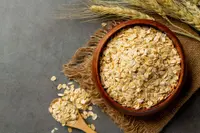
Oat grains are unusually rich in beta‑glucans, a type of soluble dietary fiber concentrated in the endosperm cell walls, which is why oat products change the texture of water and milk when cooked or soaked.

Adaptation to cool climates

This species is well adapted to cool, moist conditions and can tolerate lower soil fertility than many cereals, which is why it became an important grain in temperate regions with short, mild summers.

Botan icon

Did you know?

In modern agriculture Avena sativa is widely used as a multifunctional cover crop, because its dense fibrous root system helps reduce soil erosion, suppress weeds, and add organic matter when the plants are cut and incorporated into the soil.

FAQs about common oat

Yellowing leaves often indicate nitrogen deficiency, waterlogging, or natural aging of lower foliage. Check drainage, avoid standing water, and consider a balanced nitrogen-rich fertilizer. Disease or root rot can also cause yellowing, especially in persistently wet conditions.

Grow Healthy Plants with Botan Care

Keep your plants happy and healthy with plant identification, disease detection, and easy care guidance.

Botan plant care app — identify plants on mobile

Explore More Plants