New Zealand Wind Grass Care (Anemanthele lessoniana)

Also known as: Hunangamoho, New Zealand wind grass, Pheasant's-tail
New Zealand Wind Grass

About New Zealand Wind Grass

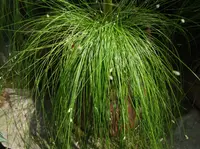
New Zealand wind grass (Anemanthele lessoniana) is a clump-forming ornamental grass valued for its fine, arching foliage and changing seasonal colors. The leaves often shift from green to shades of orange, copper, and red, especially in cooler weather.

This grass forms loose, fountain-like tufts with airy flower stems that create a soft, moving effect in light wind. It is native to New Zealand, where it grows in open, often rocky habitats.

Anemanthele lessoniana is generally easy to grow, as it tolerates a range of soils and light conditions if drainage is good. Understanding how to care for New Zealand Wind Grass mainly involves providing sun to light shade and avoiding waterlogged sites.

Main Plant Requirements

Care Difficulty

Easy Care

Light Preference

Partial Sun

Water Requirements

Moderate Water

Temperature Preference

Warm Climate

Hardiness Zone

8–10

Soil Texture

Sandy, Loamy, Organic-rich

Soil pH

Acidic (5.5–6.5), Slightly acidic (6.5–7.0)

Soil Drainage

Well-drained

Fertilization

Minimal (feed rarely)

Get Personalized Care Plan

Scan your plant to receive care tips personalized for your specific plant

Available on iOS and Android

How to Care for the New Zealand Wind Grass

This ornamental grass prefers bright light with some protection from harsh midday sun.

  • Provide 4–6 hours of direct morning sun with light afternoon shade, or bright filtered light all day, especially in warmer regions.
  • New Zealand Wind Grass tolerates partial shade but foliage color is less vivid and clumps may open or flop in very low light.
  • In hot, dry summers, protect from strong sun between 12–4 pm to prevent leaf scorching, yet avoid deep shade that leads to weak, sparse growth.

This grass prefers evenly moist, free-draining soil rather than constant wetness or long dryness.

  • Water when the top 3–5 cm of soil feels dry, soaking the root zone and then allowing excess to drain away fully.
  • Use well-drained soil or a sloped site; chronic sogginess leads to root rot, yellowing leaves, and a thinning center, especially in heavy clay.
  • Reduce frequency in cool, wet seasons and increase during hot, windy periods; dry, rolling leaf tips and browning edges signal underwatering, while limp, yellowing foliage suggests overwatering.

This species prefers mild conditions and handles a range of temperate climates when established.

  • Optimal growth occurs around 60–75°F (16–24°C), with good color development and steady foliage renewal in these temperatures.
  • Mature clumps usually tolerate brief drops to about 15–20°F (-9 to -6°C), though foliage may burn; mulch crowns in colder areas to protect roots.
  • In hot regions, it copes with 85–90°F (29–32°C) if soil moisture is maintained and the site is not reflective or exposed to intense late-afternoon heat.

This grass handles a broad humidity range but grows best in moderately moist air.

  • Aim for 40–60% humidity; typical outdoor and most indoor levels are usually adequate for New Zealand Wind Grass.
  • It tolerates dry air, but prolonged humidity below 30% can cause browning tips and increased leaf drop.
  • Increase humidity locally by grouping plants, placing containers near other greenery, or using a pebble tray without letting roots sit in water.

Anemanthele lessoniana prefers light, free-draining soil that still holds some moisture.

  • Use a sandy or loamy mix with 30–40% organic matter such as compost to support steady growth.
  • Ensure sharp drainage by blending in coarse sand or fine grit and avoiding heavy clay that stays wet.
  • Keep pH slightly acidic to neutral, roughly 6.0–7.0, as strongly alkaline soils can reduce nutrient uptake.
  • Improve aeration in dense soils by working in well-rotted compost and coarse materials, and avoid compacted or waterlogged spots.

This species adapts well to container growing when given sufficient root space and drainage.

  • Choose a wide, stable pot to support its arching habit and prevent it from tipping in wind-exposed positions.
  • Select a container material with moderate weight, such as ceramic or thick plastic, to balance moisture retention and stability outdoors.
  • Raise the pot on feet or bricks so drainage holes stay clear and excess water can escape quickly after rain or irrigation.

This ornamental grass grows well in modest soils but benefits from light feeding in active growth.

  • Use a balanced slow-release fertilizer or light compost top-dressing in spring as new growth starts.
  • Feed every 6–8 weeks in spring and summer at half-strength to avoid lush, floppy foliage on New Zealand Wind Grass.
  • Skip synthetic fertilizer in fall and winter when growth slows, to prevent weak, cold-tender shoots.
  • Always water before and after feeding to reduce root burn and help nutrients move into the soil.

Thoughtful pruning keeps Anemanthele lessoniana tidy and maintains its arching form.

  • Best timing is in late winter or very early spring before strong new growth begins.
  • Comb or cut out dead, broken, or heavily faded blades with gloved hands or sharp shears.
  • Thin congested tufts lightly to let light and air reach the plant base, supporting fresh shoots.
  • Avoid cutting the whole clump hard to the ground, which can delay recovery and flowering.

This grass is usually grown in the ground but can be transplanted or moved in containers when crowded.

  • Look for roots circling the pot, water running straight through, or slowed growth as cues to move it.
  • Plan transplanting or up-potting for early spring or early fall, avoiding heatwaves or hard frost.
  • In containers, shifting to a slightly larger pot every 2–3 years is usually enough for healthy growth.
  • Handle the root ball gently, loosening only tight outer roots, then water thoroughly and shade for a few days to limit stress.

New plants are most often raised by division, with seedlings sometimes used to bulk up plantings.

  • Divide mature clumps in early spring when new shoots are just emerging for best establishment.
  • Lift the clump, then split it into sections, each with healthy roots and several fans of foliage.
  • Replant divisions at the same depth in moist, well-drained soil and water steadily until rooted.
  • Sow fresh seed in trays in fall or early spring, keeping the mix lightly moist and cool for steady germination.

This grass is moderately cold hardy and usually needs only light winter attention in most mild climates.

  • Tolerates brief frosts but tips may scorch in prolonged freezes below about 15–20°F.
  • Apply a 5–8 cm mulch around the root zone in late fall, keeping mulch off the crown.
  • Leave faded foliage over winter to insulate the crown, then clean it up in late winter.
  • In colder regions, grow in containers and move to a sheltered, frost-free but bright spot until spring.

Care Tips

Rotate for color

Turn clumps by 90° once or twice a year so all sides receive similar light and develop the full green, orange, and copper tones rather than becoming flat on the shaded side.

Shear in stages

If the plant looks tired after winter, cut back only one-third of the tuft at a time over 4–6 weeks to refresh growth while preserving enough foliage for photosynthesis.

Use gravel collars

Apply a 3–5 cm ring of horticultural grit around the base to keep the crown drier, reduce slug shelter, and limit soil splash that can spread fungal spores.

Divide with foliage

When lifting and dividing, keep each division with a firm root mass and at least 3–5 strong foliage fans so it re-establishes quickly and maintains the arching habit typical when growing New Zealand Wind Grass.

Pair with stable neighbors

Plant beside low, sturdy perennials or small shrubs that act as informal windbreaks, which helps the arching blades move attractively in wind without lodging or tearing.

Common Pests and Diseases

Rust fungus

This disease causes small orange, brown, or yellow pustules on leaves and blades, sometimes leading to premature dieback of foliage. Symptoms include patchy discolouration that is more obvious in humid, crowded plantings.

Solution

Remove and dispose of affected leaves to reduce spore load, then thin surrounding vegetation to improve airflow and reduce humidity around the clump. Avoid overhead watering, especially in the evening, and if rust recurs severely, apply a labelled grass-safe fungicide according to the product instructions.

Leaf spot

This disease produces tan to dark brown spots on leaf blades, sometimes with a yellow halo, and can make clumps look patchy and unattractive. Symptoms include increased spotting after prolonged wet or humid weather.

Solution

Cut out and discard heavily spotted foliage to limit spread, and keep the base of the plant free of old, matted leaves that trap moisture. Water at soil level in the morning, improve spacing and air movement, and use a broad-spectrum fungicide for ornamental grasses if spotting remains severe.

Aphids

These insects cluster on young shoots and flower stems, sucking sap and causing leaf distortion or sticky honeydew deposits. This pest is more common on soft new growth in sheltered, warm spots.

Solution

Spray colonies off with a strong stream of water and remove heavily infested stems if practical. Encourage natural predators such as lady beetles, and if populations stay high, treat the foliage with insecticidal soap or a light horticultural oil, repeating as needed to break the life cycle.

Grass caterpillars

These pests chew irregular notches or windows in leaf blades and may hide in the clump during the day. Symptoms include ragged foliage and green droppings around the plant base.

Solution

Inspect the plant in the evening and hand-pick caterpillars where feasible, dropping them into soapy water. For heavier infestations, use a biological control containing Bacillus thuringiensis (Bt) targeted at caterpillars, and keep the area around the plant tidy to reduce hiding places.

Interesting Facts

Color-changing foliage

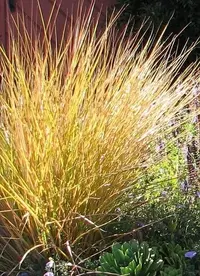
This New Zealand wind grass naturally shifts color through the seasons, starting green in spring, flushing orange and copper in summer, and often deepening to red and bronze tones in autumn and winter, especially in full sun and cooler temperatures.

Wind-adapted structure

Its very fine, arching leaves and airy flower stems are structurally adapted to move easily in wind, which reduces physical stress on the plant and helps disperse its light, dangling seeds over short distances.

Narrow native range

The species is native to a limited range in New Zealand, where it typically grows on rocky slopes and open hillsides, tolerating exposure, free-draining soils, and relatively poor substrates compared with many ornamental grasses.

Botan icon

Did you know?

In its native New Zealand, this grass is sometimes an important early colonizer on disturbed or open sites, where its dense, arching clumps can help stabilize shallow soils and create shelter for seedlings of other plant species.

FAQs about New Zealand Wind Grass

This species forms a loose clump and may gently self-seed nearby, but it is not typically aggressive. Seedlings are easy to remove or transplant, so it is generally manageable in mixed plantings.

Grow Healthy Plants with Botan Care

Keep your plants happy and healthy with plant identification, disease detection, and easy care guidance.


Botan plant care app — identify plants on mobile

Explore More Plants