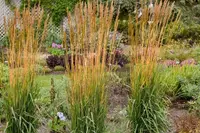
Hitchcock's sedge Care (Carex hitchcockiana)

Hitchcock's sedge

About Hitchcock's sedge

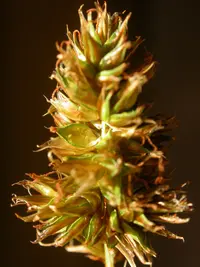
Hitchcock's sedge, Carex hitchcockiana, is a clump-forming, cool-season perennial grass-like plant native to North American woodlands and shaded slopes. It typically forms loose tufts of narrow, arching leaves with fine-textured, understated flower spikes.

In nature it grows in deciduous forests, often on moist, well-drained soils rich in organic matter. The plant prefers partial shade and steady moisture but does not tolerate standing water for long periods.

Its slow, tidy growth and tolerance of shade make it a relatively low-maintenance choice for naturalistic gardens and understory plantings. Learning how to care for Hitchcock's sedge mainly involves providing consistent moisture, shade, and undisturbed soil.

Main Plant Requirements

Care Difficulty

Moderate Care

Light Preference

Partial Shade

Water Requirements

Regular Water

Temperature Preference

Cold Hardy

Hardiness Zone

3–7

Soil Texture

Loamy, Silty, Organic-rich

Soil pH

Acidic (5.5–6.5), Slightly acidic (6.5–7.0)

Soil Drainage

Moist but well-drained

Fertilization

Minimal (feed rarely)

Get Personalized Care Plan

Scan your plant to receive care tips personalized for your specific plant

Available on iOS and Android

How to Care for the Hitchcock's sedge

This woodland sedge prefers bright conditions without harsh, all-day sun.

  • Provide 3–5 hours of gentle morning sun with dappled or bright open shade the rest of the day for Hitchcock's sedge.
  • It tolerates light to medium shade, but in deep shade growth becomes sparse and foliage loses vigor over time.
  • Avoid hot, direct afternoon sun, which can scorch blades and dry soil quickly, especially in late spring and summer; increase shade in heatwaves.

This species prefers consistently moist, cool soil rather than cycles of drying out and soaking.

  • In the growing season, water when the top 2–3 cm of soil feels just barely dry, and aim to keep the root zone evenly damp, not saturated.
  • Choose soil with good drainage; if puddles remain longer than 30–40 minutes after watering or rain, aerate or amend with organic matter.
  • Watch for underwatering signs such as browning tips and limp foliage, and overwatering signs such as yellowing leaves and soft, rotting crowns.

This cool-temperate sedge handles a wide range of outdoor conditions when established.

  • Optimal growth occurs around 60–75°F (16–24°C), with lush foliage in mild spring and fall conditions.
  • Mature plants tolerate winter cold well below 0°F (-18°C) when in the ground, dying back and regrowing from the crown in spring.
  • In summer, it copes with short heat spells up to about 85–90°F (29–32°C) if soil stays moist and the plant receives partial shade.

This species tolerates a wide humidity range but prefers moderately moist air.

  • Target 40–60% humidity, similar to most outdoor shade beds in temperate regions.
  • Plants handle brief dry indoor air but may brown at leaf tips if humidity stays below 30%.
  • Increase humidity by grouping pots, placing them on a pebble tray with water below the pot base, or positioning near a humidifier without direct misting.

This sedge prefers consistently moist, loose mineral-organic soil that does not stay waterlogged.

  • Use a loamy mix with high organic matter, such as 50–60% composted leaf mold or fine bark plus native garden soil or sand for structure.
  • Ensure steady but not rapid drainage; soil should feel moist and springy, not sticky or puddled 30 minutes after watering.
  • Aim for slightly acidic to neutral pH around 5.5–7.0, which suits typical woodland and meadow conditions for Carex hitchcockiana.
  • Improve aeration and drainage by blending in coarse sand or fine grit and avoiding heavy, compacted clay or peat-only mixes that restrict root oxygen.

This species can grow reliably in containers outdoors when moisture and stability are managed carefully.

  • Choose a wide, relatively deep pot so the fibrous roots can spread laterally and the clump stays upright in wind and rain.
  • Select a heavier material such as ceramic or thick-walled clay to reduce tipping and slow surface drying on exposed patios or balconies.
  • Elevate the container slightly on feet or blocks so water drains quickly from the holes and does not reabsorb from a saturated saucer.

This native sedge usually thrives in average to moderately rich soil and needs only light feeding.

  • Apply a thin layer of compost or leaf mold around clumps once each spring to support steady growth.
  • If using synthetic fertilizer, choose a balanced slow-release NPK (such as 10-10-10) at half strength.
  • Limit feeding to the active growing season and skip fertilizer in winter dormancy.
  • Avoid overfertilizing Hitchcock's sedge, which can cause weak, floppy foliage.

Pruning for Carex hitchcockiana is minimal and mainly keeps the clump tidy and healthy.

  • Cut back winter-burned or ragged foliage in late winter or very early spring before new growth emerges.
  • Remove dead, diseased, or badly damaged blades at the base during the season using clean hand pruners or scissors.
  • Thin out a few crowded outer tufts to maintain an airy, fountain-like shape and reduce disease risk.
  • Leave some old foliage over winter in cold regions to shelter the plant and wildlife, then trim in spring.

This sedge is usually grown in the ground, with transplanting done only when clumps outgrow their space or site conditions change.

  • Transplant in early spring or early fall when temperatures are mild and soil stays evenly moist.
  • Look for tight, congested clumps, slow growth, or dieback in the center as signs it is time to move or divide.
  • Dig widely around the root mass, lifting the clump with as much soil as possible to limit root disturbance.
  • Replant at the same depth, water thoroughly, and keep soil consistently moist for several weeks to reduce stress.

Division is the most reliable method for increasing Carex hitchcockiana in gardens.

  • Divide mature clumps in early spring or early fall when soil is cool and moist.
  • Lift the plant carefully and split the root mass into several sections using a sharp knife or spade.
  • Ensure each division has healthy roots and several growing points, then replant promptly at the original depth.
  • Water well after planting and maintain evenly moist soil until new growth shows the divisions are established.

This hardy native sedge generally needs little winter care in its normal outdoor range.

  • Plants tolerate freezing temperatures and typical winter conditions in USDA zones where they are native.
  • In colder or exposed sites, apply a 5–7 cm layer of mulch around the root zone after the ground cools.
  • Leave foliage standing through winter for crown insulation, cutting back in late winter before new growth emerges.
  • Container-grown clumps in very cold regions benefit from moving pots into a sheltered, unheated but frost-sheltered location.

Care Tips

Spring clump division

Every 3–5 years, lift and divide crowded clumps in early spring while soil is moist, replanting outer vigorous sections at the same depth to maintain vigor and prevent die-out in the center.

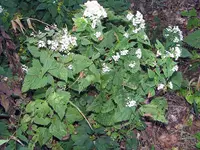
Leaf-litter mulching

In autumn, leave a light layer of shredded leaves around and between plants to mimic woodland duff, buffering soil temperature and moisture while still allowing the crowns to breathe.

Edge management

Install a shallow spade edge or a 5–7 cm deep barrier along beds to keep rhizomes from creeping into paths or lawns, checking once or twice a year and cutting back any advancing shoots cleanly.

Thoughtful companion planting

Pair this sedge with shallow-rooted woodland perennials rather than aggressive groundcovers so its fine roots are not outcompeted, and space companions so foliage just overlaps to create a stable, weed-suppressing canopy.

Wildlife-friendly handling

When cutting back old foliage, leave some standing stems and work carefully in early spring to protect overwintering insects and small wildlife, which also support natural pest control when growing Hitchcock's sedge.

Common Pests and Diseases

Rust

This disease causes small yellow to orange spots or pustules on leaves that can coalesce and lead to premature browning and dieback. Symptoms include reduced vigor, especially on clumps growing in crowded, humid, or poorly ventilated sites.

Solution

Remove and dispose of heavily infected leaves to reduce spore load, and thin surrounding vegetation to improve air circulation and faster leaf drying. Avoid overhead watering, especially late in the day, and if needed apply a sulfur or copper-based fungicide labeled for ornamental grasses according to label directions.

Leaf spot

This disease produces tan to dark brown spots or streaks on leaves, sometimes with a yellow halo, which can make the foliage look scorched or ragged. Symptoms include gradual thinning of the clump when stress from drought or nutrient-poor soil is present.

Solution

Prune out and discard affected foliage to reduce inoculum, and water at soil level rather than wetting the leaves. Maintain moderate, even soil moisture, avoid excess nitrogen fertilization, and consider a broad-spectrum fungicide labeled for leaf spots on ornamental grasses if the problem persists over multiple seasons.

Sedge billbug

This pest is a small snout beetle whose larvae feed inside stems and crowns, causing yellowing, wilting, and dead patches within clumps. Symptoms include hollowed stems that break easily and tufts of dead foliage among otherwise green growth.

Solution

Cut back and discard damaged shoots and thatch where larvae and pupae hide, then monitor for adults in late spring and early summer. If damage is recurring, use a targeted soil or crown drench with an insecticide labeled for billbugs on turf or ornamental grasses, applied according to timing and safety guidelines.

Sod webworm

These insects are caterpillars of small moths that feed at night on leaf blades near the base, creating chewed, ragged foliage and thin patches. Symptoms include small bare or thinned areas in plantings and the presence of fine silken tunnels or frass at the soil surface.

Solution

Encourage natural predators by avoiding broad-spectrum insecticides, and keep thatch and dead leaf buildup low by periodic grooming of clumps. For heavy infestations, apply a Bacillus thuringiensis (Bt) product or other caterpillar-specific insecticide in the evening when larvae are actively feeding, following label directions.

Aphids

These insects cluster on tender stems and leaf bases, sucking sap and causing curling, distortion, and sticky honeydew that can support sooty mold. This pest is usually more noticeable during soft new growth or when plants are stressed by drought or overcrowding.

Solution

Spray affected foliage with a strong stream of water to dislodge colonies, and remove heavily infested shoots if localized. For persistent populations, use insecticidal soap or a light horticultural oil applied thoroughly to the undersides and bases of leaves as part of broader Carex hitchcockiana care instructions.

Interesting Facts

Calciphile woodland specialist

This sedge is strongly associated with calcium-rich, mesic hardwood forests, often growing over limestone or dolostone where many other sedges are absent, making it a useful indicator of base-rich soils in the Great Lakes and upper Midwest.

Clumped, not forming mats

Unlike many Carex species that spread rapidly by rhizomes, this species typically forms tight, upright tussocks with only short rhizomes, so individual clumps stay relatively discrete in the forest understory.

Distinctive perigynia traits

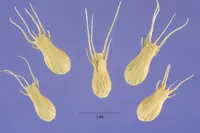
Taxonomically, it is recognized by its narrowly ovoid perigynia (the sac surrounding each fruit) that are strongly nerved and taper to a short beak, a combination that helps botanists separate it from similar woodland sedges in the Carex section Phyllostachyae.

FAQs about Hitchcock's sedge

This species forms clumps and spreads slowly by short rhizomes. It can gradually widen in suitable woodland or shaded garden conditions but is not typically considered aggressive or difficult to control in managed plantings.

Grow Healthy Plants with Botan Care

Keep your plants happy and healthy with plant identification, disease detection, and easy care guidance.


Botan plant care app — identify plants on mobile

Explore More Plants