Control stolon spread
Edge beds with a shallow spade cut once or twice a year to sever wandering stolons and keep the clump within its intended area without ripping out whole plants.

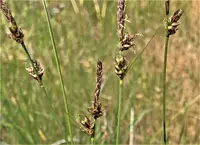
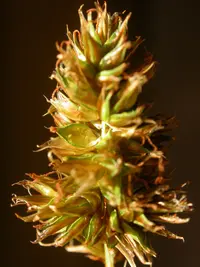
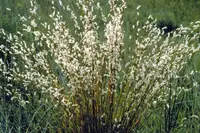
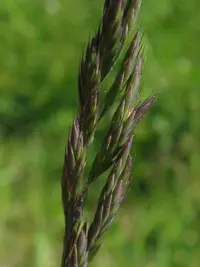
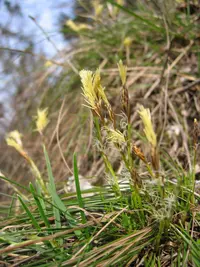
Long-stolon sedge (Carex inops) is a low, fine-textured grass-like perennial in the sedge family. It spreads by long, slender stolons that form loose, open patches. Leaves are narrow and often slightly arching, giving a soft, tufted look rather than a dense lawn appearance.
This species is native to western North America, where it grows in dry prairies, open woodlands, and sandy or rocky sites. It is generally tough and drought-tolerant once established, which makes care for long-stolon sedge relatively simple in well-drained soil with moderate light and occasional moisture.
In gardens and restoration projects, it is often used for naturalistic plantings, erosion control, and as a low-maintenance groundcover in appropriate climates.

Care Difficulty
Easy Care

Light Preference
Full Sun

Water Requirements
Moderate Water

Temperature Preference
Cold Hardy

Hardiness Zone
4–8

Soil Texture
Sandy, Loamy

Soil pH
Slightly acidic (6.5–7.0), Neutral (7.0)

Soil Drainage
Well-drained

Fertilization
Minimal (feed rarely)
Scan your plant to receive care tips personalized for your specific plant
Available on iOS and Android
This sedge thrives in sites with bright exposure but tolerates some shade, especially in hotter regions.
This species prefers evenly moist, well-drained soil and shows clear signs if watering is off balance.
This cool-season sedge handles a wide temperature range but grows best in moderate conditions.
This species is adapted to relatively dry air and usually does not need special humidity management.
Carex inops prefers lean, well-drained mineral soils that mimic open, sandy habitats.
This species can be grown in containers if the setup allows for its shallow, spreading root system.
Carex inops is a low-nutrient, native sedge that benefits from light feeding in lean soils only.
Pruning Carex inops is mainly cosmetic and helps maintain a tidy, dense clump.
This sedge is usually grown in the ground, so focus on dividing and transplanting clumps rather than frequent repotting.
Carex inops is most reliably propagated by division, with seed used mainly for larger restoration plantings.
This sedge is cold hardy in much of its native range and usually needs minimal winter care outdoors.

Plant Health Check
Not sure what's wrong with your plant? Check your plant's health inside the app.
This species is naturally common on sandy, well-drained soils in western North America, especially in open pine forests and dry prairies where many other sedges struggle to persist.
Carex inops extends long, slender stolons just below or along the soil surface, forming loose colonies that can quickly occupy disturbed or open ground without creating a dense, thatch-forming turf.
In some native grassland and open woodland communities, this sedge contributes to early-season ground cover and soil stabilization, helping reduce erosion on light, easily shifting soils.
This species spreads by surface stolons, forming low mats over time. It is usually moderate rather than invasive, but in loose, well-drained soil it can slowly colonize open patches, so edging or mowing boundaries helps contain it.
Keep your plants happy and healthy with plant identification, disease detection, and easy care guidance.