Plant Types

Discover key types of plants, from familiar shrubs and ferns to the less obvious cycads and carnivorous species. Learn what defines each and why these categories can overlap.

How to Identify Your Plant in 3 Simple Steps

Use the Botan app to identify any plant, get care tips, and avoid common mistakes-in seconds.

Take or upload a photo of your plant

Take or upload a photo of your plant

Access instant identification results

Access instant identification results

Get a detailed care & treatment plan

Get a detailed care & treatment plan

What a Plant Type Actually Means 

Plant classification can be scientific or general. The botanical one relies on species' genetics, evolutionary history, and reproductive structures. The general one defines the types based on different factors — how the plant grows, what it looks like, and how it functions.

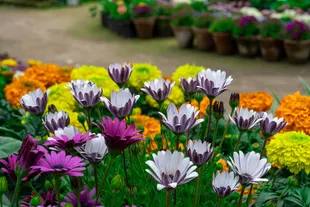
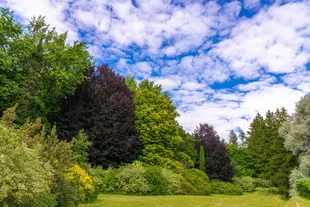
The key general types include flowers, trees, succulents, ferns, grasses, shrubs, vines, aquatics, carnivorous species, cycads, and mosses. For example, a tree is any plant with a single woody trunk that grows 16 feet (5 meters) tall, regardless of its family. 

Shrubs and vines are also defined by their physical structure. Succulents and aquatics are defined by the environments to which they are adapted. Ferns and mosses are classified based on their reproductive features, as they reproduce without flowers or seeds.

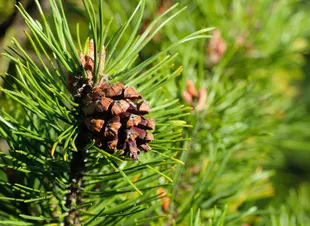
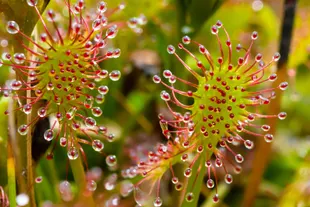
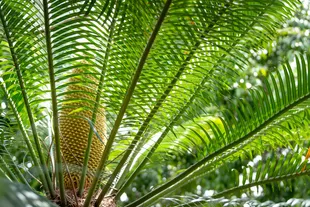
Cycads are defined by producing cones instead of flowers. Carnivorous species are characterized by their unique feeding habits.

Plant Species by the Numbers

All types of plants combined account for 374,000 known species. But that distribution isn’t even. 

Type

Approximate Number 

Examples

Flowering species

295K to 350K

White oak, Ghost orchid, sunflower, Sea rose, tulip

Trees

64,000

Oak, Vine maple, baobab, Ponderosa pine, eucalyptus

Grasses

11,500

Wheat, Sweet bamboo, sugarcane, ryegrass

Mosses

14,000

Sphagnum, haircap moss, cushion moss

Ferns

10,500

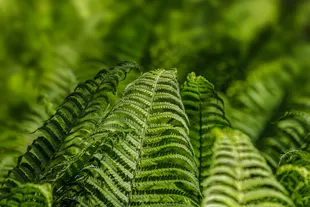
Bracken, Bird's nest fern, maidenhair fern

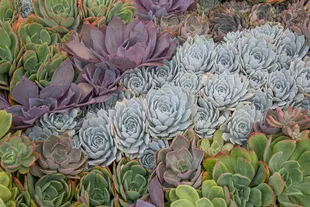
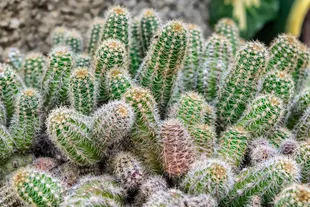
Succulents

10,000

Aloe, Red echeveria, Saguaro cactus

Aquatic 

2,600

Water lily, duckweed, cattail

Cycads

380

Sago palm, Cardboard palm, coontie

Carnivorous 

630

Venus flytrap, Forked sundew, Green Pitcher Plant

These numbers aren’t final. Professional and citizen scientists discover around 2,000 new species every year. 

Overlapping Types: Why a Single Plant Can Belong to Many Groups? 

A type can be defined by a structure, reproductive system, and growth form. A single species can meet the criteria of a few such types at the same time. 

For example, Giant Bamboo is a grass by its biology, but it can also be considered a tree by its structure. The Swamp Pitcher Plant is both a carnivorous species and a climbing vine. 

The Hiddenfruit Bladderwort belongs to the three categories at the same time — it’s a carnivorous, aquatic, and flowering species.  

The Age Gap Between Different Types of Plants

The main types have different evolutionary ages: 

  • Liverworts — the oldest type, emerged 470 million years ago and are still alive today.
  • Ferns — appeared in the late Devonian around 360 million years ago. 
  • Mosses — first unambiguous fossils emerged around 300 million years ago.
  • Cycads — appeared 280 million years ago before dinosaurs, dominated ecosystems during the Jurassic. 
  • Flowering species — appeared only 125-130 million years ago. 

Though the flowering group arrived last, they now make up roughly 80% of all known plants on Earth.


Thorny Plants: A Comprehensive Guide

10 min read · 25 Aug 2026

Thorny Plants: A Comprehensive Guide

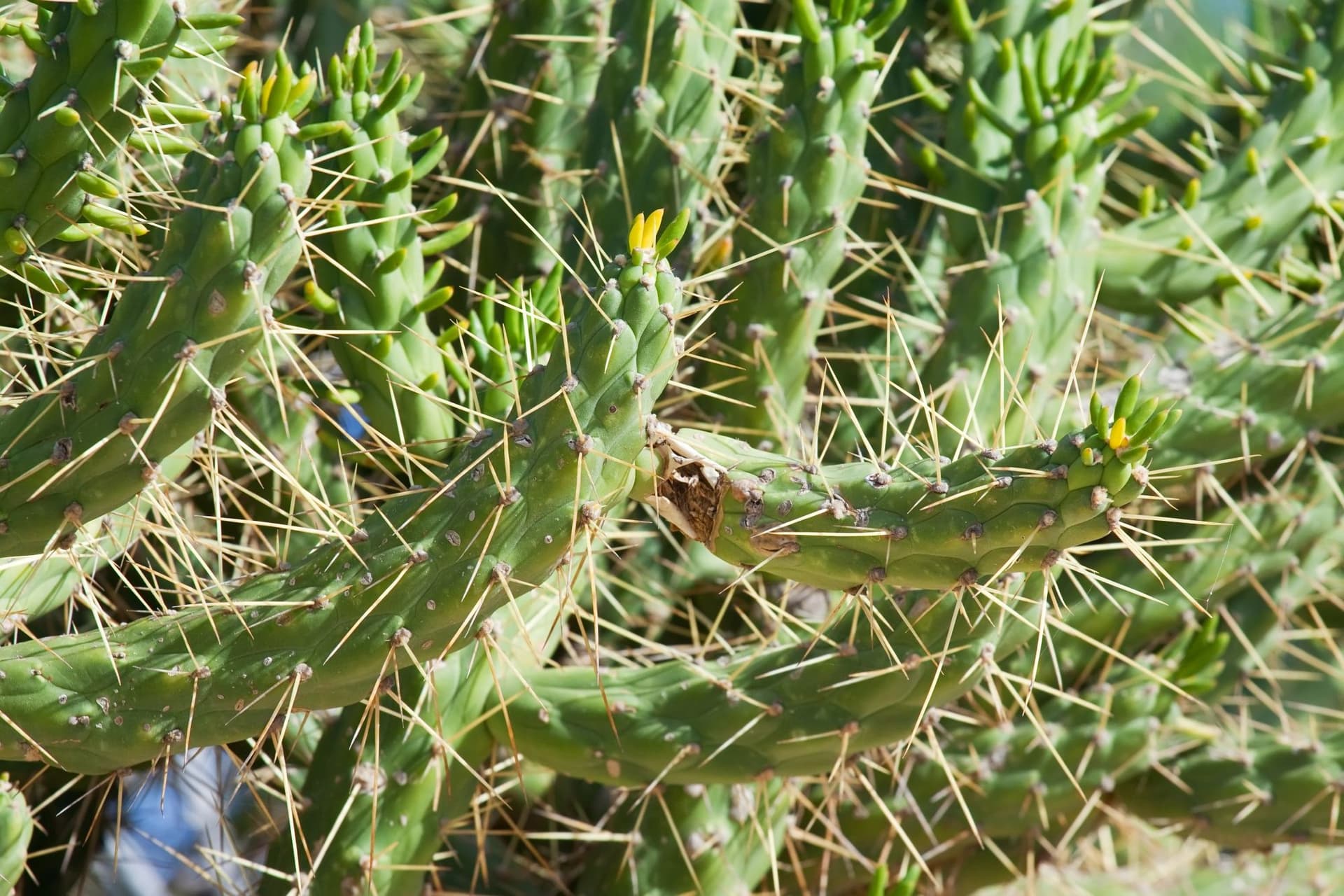
Many plants defend themselves with sharp thorns. This guide explores over 20 examples among flowers, shrubs, trees, and vines. You'll learn what each plant looks like, why it grows thorns, and how to quickly identify them.
Plant Recommendations
Thorny Plants: A Comprehensive Guide
Money Tree Root Rot: Signs, Causes, and How to Save Your Plant

7 min read · 3 Jul 2026

Money Tree Root Rot: Signs, Causes, and How to Save Your Plant

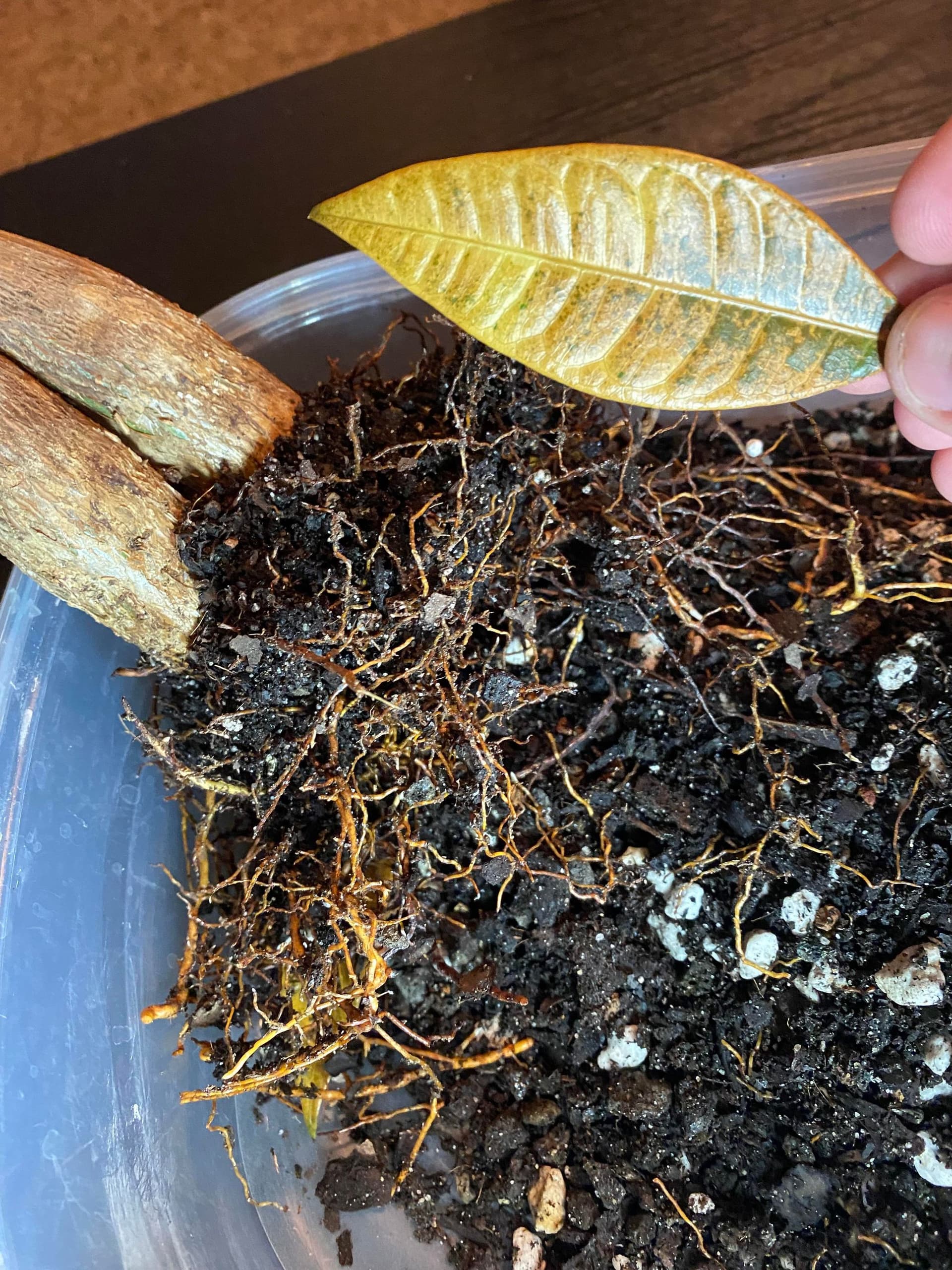
Root rot money tree trouble is one of the most common reasons a plant drops leaves and wilts fast. In this guide, you'll learn about the warning signs, causes, and an easy way to restore a sick Pachira.

Plant Problems
Money Tree Root Rot: Signs, Causes, and How to Save Your Plant
Why Rose Leaves Turn Yellow and How to Fix That

8 min read · 26 Jun 2026

Why Rose Leaves Turn Yellow and How to Fix That

Yellow leaves on roses can result from water stress, unfavorable environmental conditions, nutrient deficiencies, or infections. Learn what caused the symptom and adjust care with expert tips.

Plant Problems
Why Rose Leaves Turn Yellow and How to Fix That
How to Use a Plant Identifier App – Step-by-Step Guide

7 min read · 5 Aug 2026

How to Use a Plant Identifier App – Step-by-Step Guide

Learn how to get the most out of a plant identifier app. Here, you’ll find direct instructions on how to use the app and take the right photos, a list of common mistakes to avoid, and bonus tips for evaluating the app’s features.

Identification
How to Use a Plant Identifier App – Step-by-Step Guide
How Fast Does Bamboo Grow Per Day, Month, and Year

10 min read · 7 Jul 2026

How Fast Does Bamboo Grow Per Day, Month, and Year

Bamboo grows extremely fast: some species can reach 5-6 m in just 3-4 months under the right conditions. This guide explains how much bamboo can grow per day, week, and year, and what affects its growth rate.

Plant Recommendations
How Fast Does Bamboo Grow Per Day, Month, and Year
Is Sugar Water Good for Plants?

4 min read · 14 Sept 2026

Is Sugar Water Good for Plants?

Sugar water may sound like an easy boost, but most rooted plants do not need extra sucrose. This guide explains how green tissues produce carbohydrates, when a sweetened solution can be useful, and why too much can cause problems.

Plant Care
Is Sugar Water Good for Plants?