Plant Leaf Identification
Snap a Leaf and Discover the Plant
Botan is a specialized leaf identifier that recognizes plants in seconds. Identify a plant by leaf and learn how to care for it effectively with Botan.


Snap a Leaf and Discover the Plant
Botan is a specialized leaf identifier that recognizes plants in seconds. Identify a plant by leaf and learn how to care for it effectively with Botan.
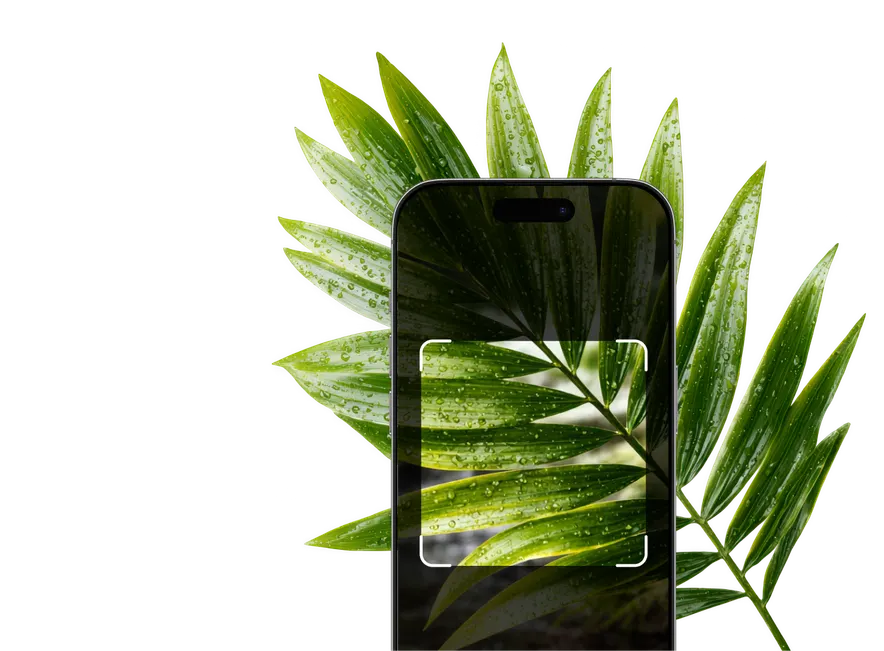

Plant Identifier Online for Free
Use easy-to-see images for the best plant ID results. Try not to take photos from very far away.
 POPULAR
Monstera
Monstera deliciosa
 POPULAR
Money Tree
Pachira aquatica
 POPULAR
Wandering Jew
Tradescantia zebrina
 POPULAR
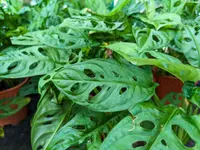
Swiss Cheese Vine
Monstera adansonii
 POPULAR
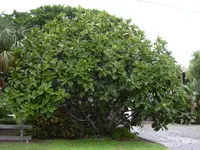
Fiddleleaf Fig
Ficus lyrata
 POPULAR
Polka Dot Begonia
Begonia maculata
 POPULAR
ZZ Plant
Zamioculcas zamiifolia
 POPULAR
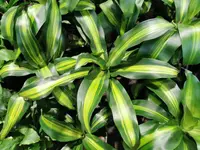
Corn Plant
Dracaena fragrans
 POPULAR
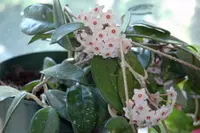
Wax Plant
Hoya carnosa
 POPULAR
King Begonia
Begonia rex
 POPULAR
Aloe
Aloe vera
 POPULAR
Baby Rubberplant
Peperomia obtusifolia
 POPULAR
Weeping Fig
Ficus benjamina
 POPULAR
Queen of The Night
Epiphyllum oxypetalum
 POPULAR
Purple Heart
Tradescantia pallida
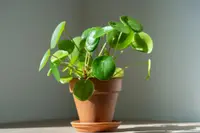 POPULAR
Chinese Money Plant
Pilea peperomioides
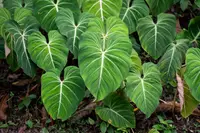 POPULAR
Philodendron gloriosum
Philodendron gloriosum
 POPULAR
Flaming Katy
Kalanchoe blossfeldiana
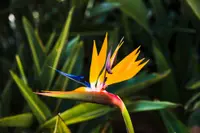 POPULAR
Giant White Bird of Paradise
Strelitzia nicolai
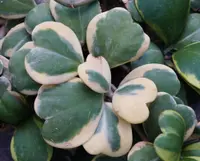 POPULAR
Hoya Hearts
Hoya kerrii
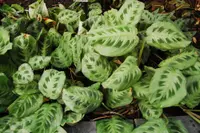 POPULAR
Prayerplant
Maranta leuconeura
 POPULAR
Lucky Bamboo
Dracaena sanderiana
 POPULAR
False Shamrock
Oxalis triangularis
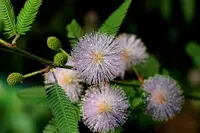 POPULAR
Sensitive Plant
Mimosa pudica
Botan plant leaf identification requires only 3 simple steps:
Botan is more than just a scanner. Each identified species will be saved to your virtual garden for instant, easy access to all tips and environmental tools.
Now you know how to identify plants by leaves in seconds with Botan. However, it doesn’t mean you can’t try to recognize them yourself.
In this case, there’ll be rules to follow. You’ll need to focus on specific leaf features: arrangement, shape, structure, texture, and color.
If you want to identify plant leaves correctly, start with the shape. In the foliage group, it can be:
Some shapes are less common and therefore more distinctive than others. For example, deeply lobed, perforated leaves often indicate Monstera, while strap leaves in a rosette often point to spider or dragon plants.
Other forms (oval, heart-shaped, etc.) can be seen in multiple species, which is why it’s important to consider other features, too.
There are 10+ leaf margin types in botany, but let’s focus on the 3 most common and widely seen ones:
Margins are the second but not the last filter to use. It works best when combined with other features, including surface and texture.
Take a close look at the leaf to see if it’s:
Ask yourself whether the leaf reflects light, has any hair on the surface, and is flat or thick and structured. That’s how you narrow the search step by step.
The next step in foliage recognition is color analysis. Here are a few main groups to focus on:
Though color can help with species ID, remember the limitations. It may change a lot depending on how much light the plant gets. Without proper lighting, leaves can lose contrast and look different from the pictures on the web.
Foliage identification may seem complex for several key reasons:
If you want to simplify the process, consider using the Botan identify-plant-by-leaf-picture app.
So, there’s always an alternative to manual research. With Botan, you can identify plants from a leaf image instantly and accurately, without stress or confusion.
Feature | Manual Identification | Botan Identification |
Comparison against lookalikes | Requires advanced, time-consuming research; accuracy not guaranteed | Focus on distinctive patterns, e.g., venation, arrangement, and attachment |
Distinguishing primary and secondary features | Focus on more attention-grabbing things like color | Strong hierarchy of analysis, primary focus on less obvious but more distinctive things |
Seasonal change evaluation | Difficult to match the leaves that have changed with photos from other seasons | Consideration of the time of the year and potential disease symptoms |
Recognizing variability within one species | Attempts to find an example of a species that matches the plant perfectly | Evaluation of age (juvenile vs. mature), health (healthy vs. damaged), and environmental conditions |
Yes. The Botan detector doesn’t focus only on color — it uses leaf arrangement, shape, structure, texture, venation patterns, and other features to identify the species correctly at any time of year.