Edible Plant Identification
Edible Plant Identification by Photo
Botan will analyze your plant photo to find a match among more than 30,000 species in its database. Note: Botan is designed to identify plant species, but it does not verify edibility.


Edible Plant Identification by Photo
Botan will analyze your plant photo to find a match among more than 30,000 species in its database. Note: Botan is designed to identify plant species, but it does not verify edibility.


Plant Identifier Online for Free
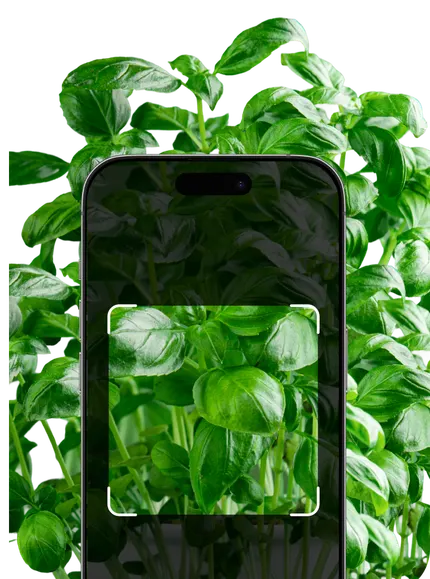
Use easy-to-see images for the best plant ID results. Try not to take photos from very far away.
 POPULAR
Monstera
Monstera deliciosa
 POPULAR
Money Tree
Pachira aquatica
 POPULAR
Aloe
Aloe vera
 POPULAR
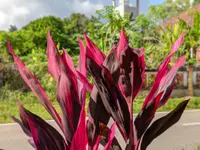
Ti Plant
Cordyline fruticosa
 POPULAR
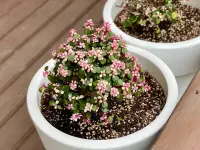
Elephant Bush
Portulacaria afra
 POPULAR
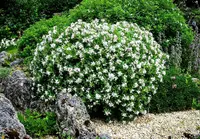
Cape jasmine
Gardenia jasminoides
 POPULAR
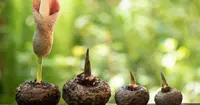
Devil's Tongue
Amorphophallus konjac
 POPULAR
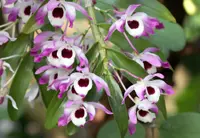
Noble Dendrobium
Dendrobium nobile
 POPULAR
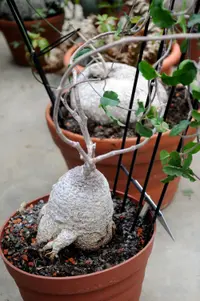
Hottentot Bread
Fockea edulis
 POPULAR
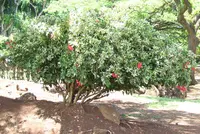
Chinese hibiscus
Hibiscus rosa-sinensis
 POPULAR
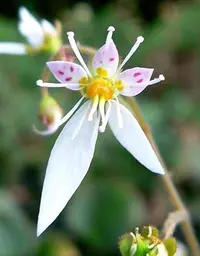
Strawberry saxifrage
Saxifraga stolonifera
 POPULAR
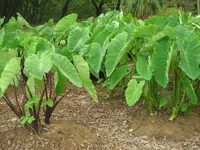
Taro
Colocasia esculenta
 POPULAR
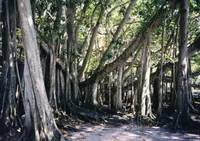
Cushion Aloe
Ficus benghalensis
 POPULAR
Cabbage tree
Cordyline australis
 POPULAR
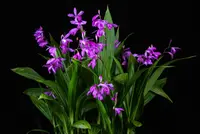
Chinese ground orchid
Bletilla striata
 POPULAR
Carnation
Dianthus caryophyllus
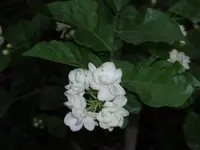
Arabian Jasmine
Jasminum sambac
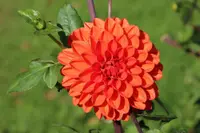
Garden Dahlia
Dahlia pinnata
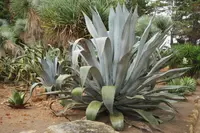
Century plant
Agave americana
 POPULAR
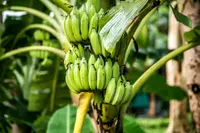
Japanese banana
Musa basjoo
 POPULAR
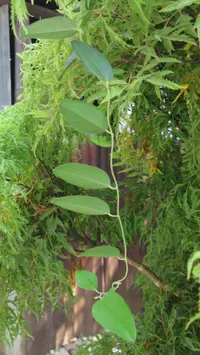
Ming aralia
Polyscias fruticosa
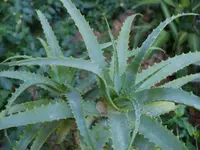
Candelabra aloe
Aloe arborescens
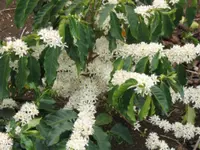
Arabica coffee
Coffea arabica
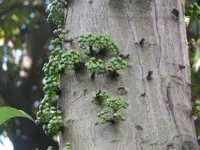
Common Red-stem Fig
Ficus variegata
It is impossible to identify edible plants as a separate group based on universal visual features, because they are too diverse in shape, structure, and habitat. A safer and more reliable approach is to recognize the characteristics of known poisonous types, which are described below.
Is this plant edible? This question is especially important for berries and fruits, as they often look appealing, yet they are responsible for the majority of poisoning incidents during foraging. The features listed below are common to many potentially dangerous species.
Visual inspection can reduce the risk, but it cannot remove it entirely. Accurate species ID requires the analysis of additional characteristics.
When identifying edible plants in the field, scent analysis requires no equipment and may provide useful information before a visual examination begins.
As the examples show, scent can sometimes be more misleading than helpful for identification. For this reason, it should never be used in isolation from visual recognition and other features.
As a rule, the stem is examined last, but it may contain reliable warning signs. Three stem characteristics deserve special attention.
These features serve as a primary filter before full species identification.
Many cases of poisoning result from the resemblance between edible and toxic species. In some cases, their external features can be so similar that visual and tactile inspection alone is often unreliable.
Edible Plant | Toxic Look-Alike | Key Differences |
Autumn Crocus | Wild garlic leaves smell strongly of garlic when crushed; autumn crocus leaves have no garlic scent. | |
Wild Carrot | Poison Hemlock | Poison hemlock has smooth hollow stems with purple blotches; wild carrot stems are hairy and lack purple markings. |
Water Parsnip | Cowbane | Cowbane grows in wet habitats and has thick chambered roots; water parsnip lacks these distinctive root structures. |
Blueberries | Herb-Paris | Blueberries grow on shrubs with multiple fruits; herb-paris typically produces a single dark berry above a whorl of four leaves. |
Red Elderberry | Black elderberries grow in flat-topped clusters, while red elderberries form dense cone-shaped clusters of red fruit. |
A reliable edible plant identifier should be able to distinguish both species and their dangerous look-alikes.
When dealing with edible plants, the cost of an error is greater than in almost any other area of species recognition. Botan reduces this risk through multi-stage AI image analysis and a database covering more than 30,000 species, while a typical edible plant identification app describes only a few hundred.
The result is sufficiently accurate and almost nearly instant, which makes our detector more reliable than any manual method when quick decisions are required.
Partially. Scent is a useful additional feature, but it should not be used as the sole identification method. Many toxic plants have no noticeable scent, while edible species may develop unusual odors depending on their growth stage.