Cactus Identification
Identify Cacti in Seconds With Botan
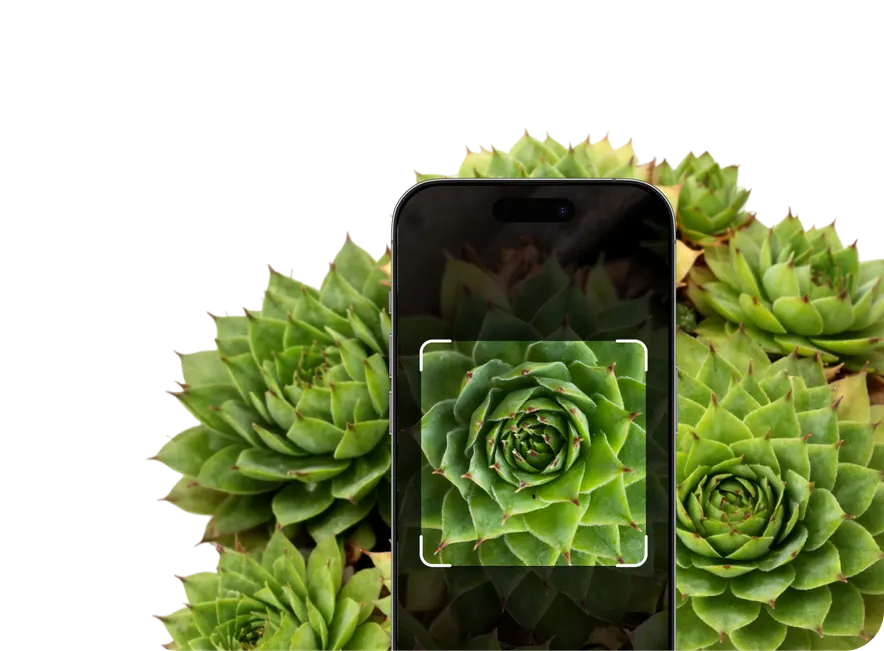
Botan is your instant cactus identifier. With our high-tech app, you can instantly recognize a desert plant or an indoor cactus from a nearby cafe, with 98% accuracy.


Identify Cacti in Seconds With Botan
Botan is your instant cactus identifier. With our high-tech app, you can instantly recognize a desert plant or an indoor cactus from a nearby cafe, with 98% accuracy.

Plant Identifier Online for Free
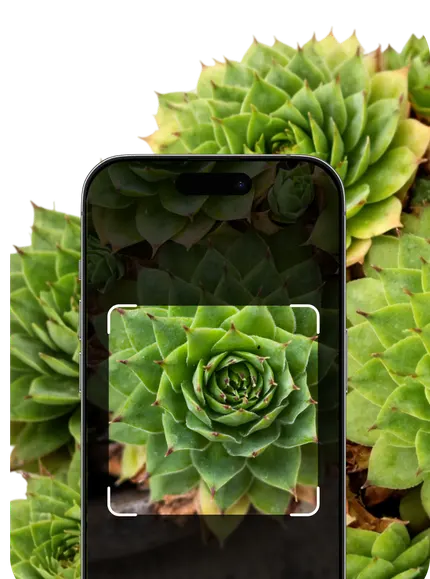
Use easy-to-see images for the best plant ID results. Try not to take photos from very far away.
 POPULAR
Queen of The Night
Epiphyllum oxypetalum
 POPULAR
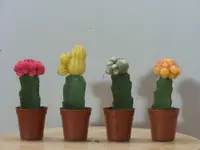
Moon Cactus
Gymnocalycium mihanovichii
 POPULAR
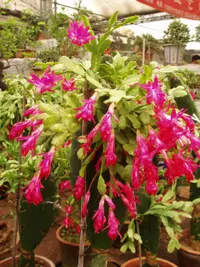
Thanksgiving Cactus
Schlumbergera truncata
 POPULAR
Mistletoe Cactus
Rhipsalis baccifera
 POPULAR
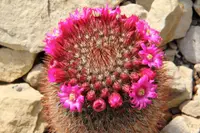
Spiny pincushion cactus
Mammillaria spinosissima
 POPULAR
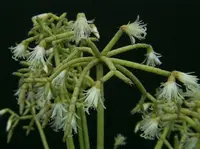
Rice cactus
Rhipsalis cereuscula
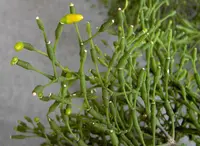
Dancing bones cactus
Hatiora salicornioides
 POPULAR
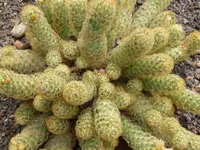
Ladyfinger Cactus
Mammillaria elongata
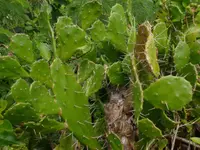
Common pricklypear
Opuntia monacantha
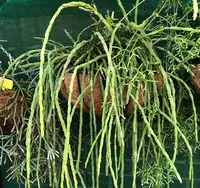
Chain Cactus
Rhipsalis paradoxa
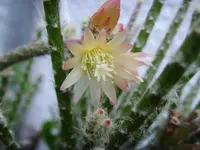
Hairy Stemmed Rhipsalis
Rhipsalis pilocarpa
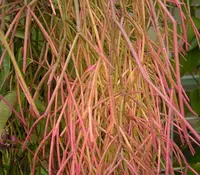
Rhipsalis burchellii
Rhipsalis burchellii
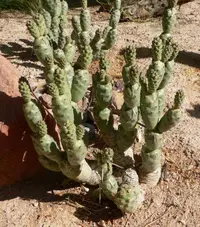
Pine Cone Cactus
Tephrocactus articulatus
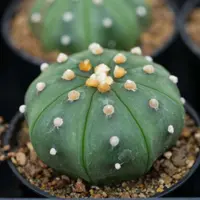
Star Cactus
Astrophytum asterias
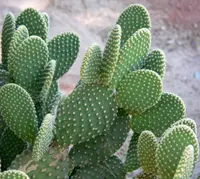
Bunny Ear Cactus
Opuntia microdasys

Feather Cactus
Mammillaria plumosa
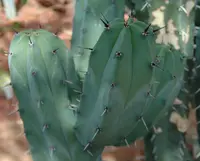
Bilberry Cactus
Myrtillocactus geometrizans
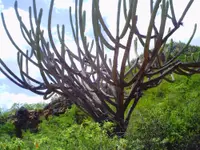
Pilosocereus pachycladus
Pilosocereus pachycladus
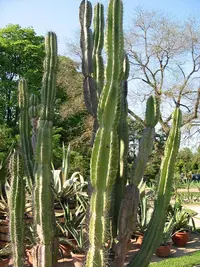
Cuddly cactus
Cereus jamacaru
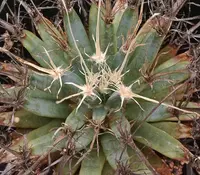
Agave cactus
Leuchtenbergia principis
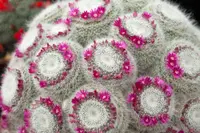
Old Lady Cactus
Mammillaria hahniana
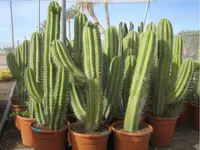
Chichituna
Polaskia chichipe
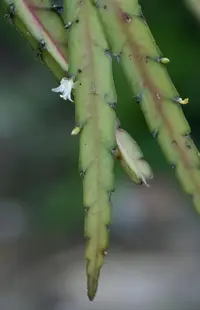
Hurricane Cactus
Lepismium cruciforme
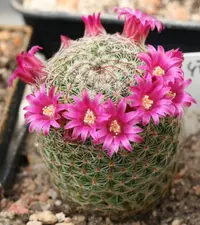
Thumb Cactus
Mammillaria matudae
You can identify a cactus in seconds using Botan. The entire process includes six stages, but you participate in only two: activating a scanner and receiving final results.
If you are not sure about the results, you can always use the retry feature and reupload a photo. The number of reuploads is unlimited.
With Botan, identification is automatic. But if you ask yourself, “What kind of cactus do I have?” and want to do your own research, you’ll need to consider specific features of the group.
These are the overall stem shape, rib structure, areole types, spine structure, and distinctive elements like flowers or hair. Here are a few examples of common and/or easily recognizable cacti and their key features.
What You See | Possible Types | Common Example |
Columnar, tall, with straight woody ribs | Giant desert species | |
Segmented, flat, oval pads with small fuzzy dots | Opuntioid | |
Perfectly spherical, with 20+ dense vertical ribs | Barrel | |
Flat, segmented, leaf-like stems, bright, tubular flowers | Jungle/orchid | |
Wavy, ridged structure, very crowded areoles | Crested |
Cactus species identification starts with stem shape analysis. The form reflects how the species or group of species adapted to the environment, which helps narrow the search quite easily. The most common types to spot are:
Also, consider the growth pattern. It can be a single stem, a clustering stem (many stems packed together from the base), or a branching one (secondary stems growing from an existing stem).
These are not primary ID factors, but they can help narrow the search after the shape is already determined.
For more accurate species ID, take a close look at the plant’s surface and ask yourself if it is:
Then, move on to the areoles (bumps from which clusters of spines can grow) to evaluate their:
Use the structure and areoles types as supporting features for identification.
Another helpful feature is spine structure, and the key characteristics to consider are:
You can also consider the spine length and color for identification, but remember these are weaker features, as they depend largely on age and the environment.
You can identify a cactus by picture quite easily with the Botan scanner, but independent research is a much more complex process. It’s normal to make mistakes, but if you want to avoid them, consider the most common pitfalls:
Remember that feature analysis has a hierarchy — go from obvious signs to non-obvious features, and you’ll be more likely to come to the right conclusions.
Now, you know how to identify a cactus with Botan. However, we offer more than just a standard detector, including:
So, you get it all: instant plant recognition, high accuracy due to the custom, specialized AI, and connection to the world’s largest database, and science-based care tips.
The app has a misidentification rate of less than 2%. However, mistakes can happen. If you believe that the system showed you the wrong species, please retry. If you still have doubts, feel free to contact our expert via live chat.