Annual Identification
Recognize Annual Plant by Photo
Not sure what plant is growing in your garden? Upload a photo to Botan, and let the scanner identify it within seconds.


Recognize Annual Plant by Photo
Not sure what plant is growing in your garden? Upload a photo to Botan, and let the scanner identify it within seconds.



Plant Identifier Online for Free
Use easy-to-see images for the best plant ID results. Try not to take photos from very far away.
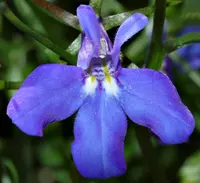
Trailing Lobelia
Lobelia erinus

Garden cosmos
Cosmos bipinnatus
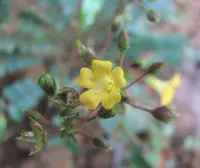
Little Tree Plant
Biophytum sensitivum

Floating fern
Salvinia natans
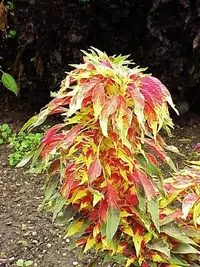
Joseph's-coat
Amaranthus tricolor
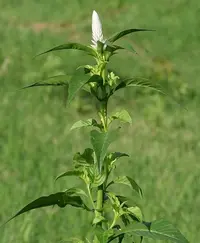
Cockscomb
Celosia argentea
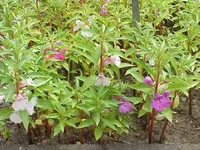
Garden balsam
Impatiens balsamina
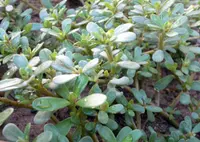
Purslane
Portulaca oleracea
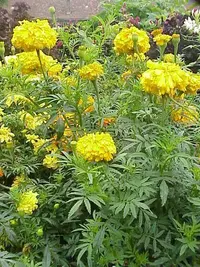
Mexican marigold
Tagetes erecta

Cape Bladderwort
Utricularia bisquamata

Pot marigold
Calendula officinalis

Plains coreopsis
Coreopsis tinctoria
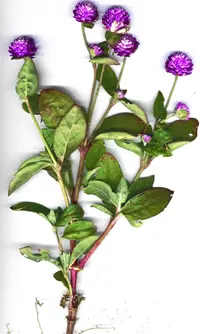
Globe amaranth
Gomphrena globosa
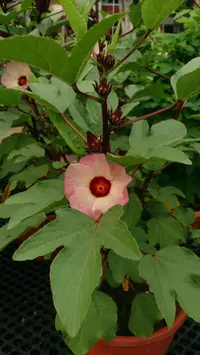
Roselle
Hibiscus sabdariffa

Common zinnia
Zinnia elegans
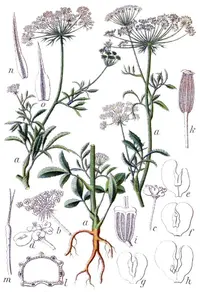
False Queen Anne's lace
Ammi majus

Sunflower
Helianthus annuus

narrowleaf zinnia
Zinnia angustifolia
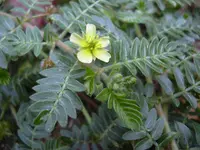
puncturevine
Tribulus terrestris

penis envy mushroom
Psilocybe cubensis
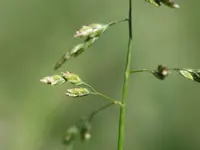
annual bluegrass
Poa annua
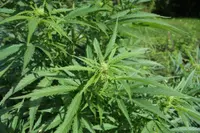
cannabis
Cannabis sativa
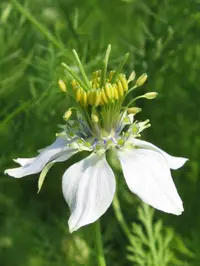
black cumin
Nigella sativa

blue meanies
Panaeolus cyanescens
Annual flower identification becomes easier when you know which features to examine first. Leaf structure can provide reliable clues regardless of the season, and flowers serve as an additional and the most accurate marker of the species.
This feature is especially useful because it helps distinguish similar species even before they bloom. Unlike perennials, annuals often develop their leaves quickly and reach their typical shape early in the growing season.
If visual analysis does not provide enough information for accurate recognition, examining additional features can help improve the result.
This characteristic is part of the core features used in annual identification. The variety of forms among annuals is large, but most species can be grouped into six stable categories.
Leaf shape rarely serves as the sole identification criterion, but when combined with leaf arrangement, it can help narrow down the result.
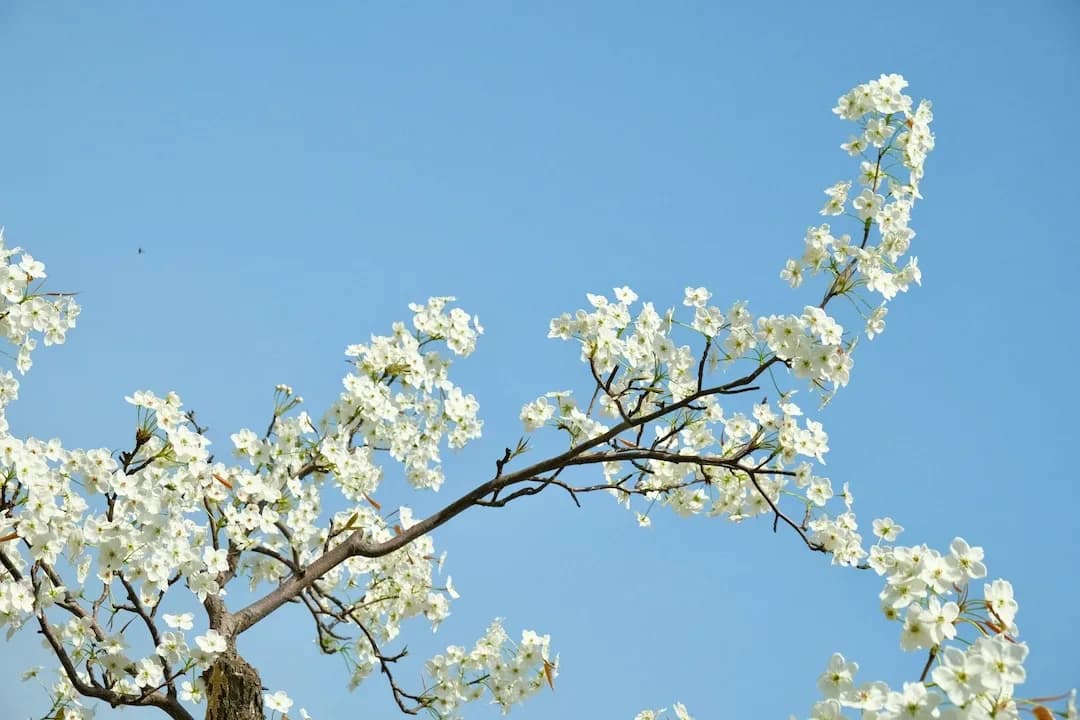
An annual plant blooms only once during its life cycle, making the flower the most informative feature for identification. Tubular and funnel-shaped flowers, common in petunia and morning glory, are formed from fused petals that create either a long tube or a broad funnel shape. In contrast, ray flowers, with flat petals surrounding a central disc, are found in some of the most common plants, such as sunflowers.
Star-shaped flowers, with petals radiating evenly from the center, are characteristic of borage and phlox. Another common form is the papilionaceous flower type, which features an asymmetrical standard, wings, and keel. It almost always indicates legumes such as Sweet Pea. Matching the flower type with other features significantly increases the likelihood of an accurate species ID.
Photo quality greatly affects the accuracy of the result, since the detector analyzes only the features visible in the image.
Common Photo Problem | Impact on Recognition | Pro Photography Tip |
Blurry image | Leaf and petal outlines are unclear, so plant features are unavailable for analysis | Keep the phone steady |
Shot taken from too far away | Details are lost against the overall plant shape | Move closer or use macro mode |
Leaves overlapping each other | Shapes and arrangements cannot be assessed as separate features | Gently move overlapping leaves aside |
Backlit photo | Overexposure hides texture, venation, and the true leaf color | The light source should be behind you |
A photo of the whole plant | Insufficient data for reliable identification | Add a close-up photo of a flower or a distinctive leaf |
Unlike perennials, annuals do not get a second chance, so mistakes made early on can result in the loss of the entire plant. Botan reduces this risk, as its identification accuracy reaches 98%. In addition to the plant name, users receive personalized guidance on watering, lighting, and disease diagnosis.
The best results can be obtained during the flowering period, when all visual features are visible. Nevertheless, Botan successfully identifies annuals by their leaves, even at early stages of growth.