Cape Bladderwort Care (Utricularia bisquamata)

Also known as: Weedy Bladderwort
Cape Bladderwort

About Cape Bladderwort

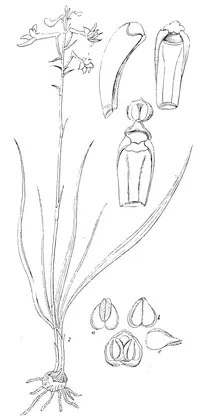
Cape bladderwort, Utricularia bisquamata, is a small, carnivorous plant that naturally grows in nutrient-poor, wet habitats. It traps tiny soil-dwelling organisms using microscopic bladder-like structures on its roots.

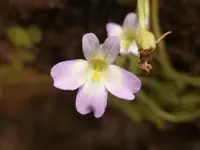
The plant forms low, delicate mats of fine foliage and produces many small, colorful flowers that resemble miniature orchids. It often behaves as a short-lived perennial or annual in cultivation.

Because it relies on moist, airy substrates and very clean, low-mineral water, it can be more demanding than typical houseplants. Understanding how to care for Cape Bladderwort mainly comes down to managing constant moisture, soft water, and bright but gentle light.

Main Plant Requirements

Care Difficulty

Moderate Care

Light Preference

Partial Sun

Water Requirements

Aquatic

Temperature Preference

Tropical / Frost Sensitive

Hardiness Zone

Unknown

Soil Texture

Sandy, Peaty, Organic-rich

Soil pH

Strongly acidic (4.5–5.5)

Soil Drainage

Waterlogged tolerant

Fertilization

Minimal (feed rarely)

Get Personalized Care Plan

Scan your plant to receive care tips personalized for your specific plant

Available on iOS and Android

How to Care for the Cape Bladderwort

This small carnivorous plant prefers bright, gentle light that mimics open, sunny bogs.

  • Provide 4–6 hours of bright indirect light or soft morning sun, avoiding harsh midday sun that can scorch the tiny leaves.
  • Allow light dappled shade in hot climates; morning sun with afternoon filtered light suits Cape Bladderwort well outdoors.
  • In winter, move plants to the brightest spot available to prevent weak, stretched growth, especially in higher latitudes.

This bog-dwelling species needs constantly moist to wet conditions without drying out.

  • Use low-mineral water (rain, distilled, or reverse-osmosis) and keep the soil saturated or standing in 0.5–1 cm of water.
  • Do not let the substrate dry; pale, wilting foliage and slow growth suggest underwatering, while sour odor or collapsing leaves suggest waterlogged, anaerobic conditions.
  • In cooler months slightly reduce the water level but maintain moist soil, as Utricularia bisquamata does not tolerate prolonged drying.

This species grows best in mild, frost-free conditions similar to a cool to warm temperate climate.

  • Aim for 65–80°F (18–27°C) for active growth; temperatures above this range are tolerated if humidity is moderate and roots stay cool.
  • Protect from frost; growth usually stops below 40°F (4°C), and repeated freezing can kill the plant or its fine roots.
  • In hot summers above 85°F (29°C), offer light shade and avoid overheated containers or trays, which can damage roots and traps.

This small carnivorous plant prefers moderate to high humidity but adapts to typical indoor levels if kept evenly moist.

  • Aim for 50–70% humidity, using a tray of water under the pot to raise moisture around the plant without submerging the crown.
  • Cape Bladderwort tolerates brief dips to 30–40% if the substrate never dries out completely.
  • Crisping leaf edges, stalled growth, and shrinking traps indicate humidity stress; use grouping or a small humidifier near the plant to improve conditions.

Utricularia bisquamata grows best in very soft, open, nutrient-poor media that stay consistently moist but never stagnant.

  • Use a mix of 1:1 peat moss and silica sand or fine perlite to create a loose, airy texture with no added fertilizer.
  • Keep the medium wet but not waterlogged by using a tray system where only the bottom 0.5–1 in of the pot stands in water.
  • Maintain slightly acidic conditions around pH 4.5–5.5, which matches the plant’s natural bog habitats and supports healthy trap function.
  • Avoid compost, standard potting mixes, or manures, which add excess nutrients and can burn the delicate roots and bladders.

This species is well suited to container growing, especially in shallow trays or pots that can hold consistently moist media.

  • Choose a wide, shallow container to support spreading growth and maintain an even water table across the surface.
  • Select plastic or glazed ceramic pots to reduce evaporation and keep moisture stable compared with porous terracotta.
  • Use a cache pot or watertight saucer sized to the container so the tray method maintains steady water depth without frequent refilling.

This small carnivorous species gains most nutrients from trapped prey, so Cape Bladderwort needs very little supplemental fertilizer.

Utricularia bisquamata needs only minimal pruning to stay tidy and healthy.

  • Trim spent flower stalks at the base during the growing season to encourage fresh blooms.
  • Pinch or snip off brown, algae-covered, or decomposing foliage to maintain good air movement and light penetration.
  • Use fine scissors or small snips, cutting gently to avoid disturbing the delicate root and stolon network.

This fine-rooted carnivorous plant prefers gentle handling when moved to a new container or tray.

  • Repot every 1–2 years or when growth becomes patchy, the medium compacts, or algae and moss heavily cover the surface.
  • Best timing is spring or early summer, when active growth helps the plant recover from disturbance.
  • Use a shallow pot with fresh, nutrient-poor mix such as 1:1 sphagnum peat and sand or perlite, kept constantly moist with low-mineral water.
  • Lift and transfer small sections of the mat with as much attached medium as possible to reduce root stress and shock.

This species is commonly multiplied for Utricularia bisquamata plant care and sharing.

  • Divide dense mats in spring or summer, gently tearing or cutting small clumps and replanting on fresh, wet carnivorous-plant mix.
  • Sow fine seeds on the surface of moist peat-sand mix, never burying them, and maintain high humidity with bright, indirect light.
  • Keep temperatures around 65–80°F and the medium consistently wet with low-mineral water to support division recovery and seed germination.

This subtropical carnivorous plant is not frost tolerant and needs protection in colder climates.

  • Move containers indoors before temperatures drop near 40°F, placing them in bright, cool windowsills or under grow lights.
  • Maintain wet, low-mineral substrate but slightly reduce water depth in trays to limit rot in low light.
  • Avoid exposure to freezing drafts or unheated windows where the potting mix can ice over.

Care Tips

Tray water management

Use a shallow tray 0.5–1 in deep and let it dry for 1–2 days between refills to mimic natural wet–dry cycles that keep roots oxygenated and reduce algae buildup.


Prevent moss smothering

If live moss or algae begins to overrun the pot surface, gently scrape off the top 2–3 mm of medium and top-dress with a fresh thin layer of clean sphagnum or peat to keep the tiny foliage from being shaded out.

Dense colony renewal

Every 8–12 months, divide and replant thick mats into several small pots to prevent overcrowding, which helps maintain flowering and reduces the risk of sudden dieback from stale, compacted substrate.

Seed collection routine

Place a clean paper envelope or small mesh bag over ripening seed pods and tap them regularly so that fine seeds are caught before they drop into neighboring pots and become weedy.

Outdoor insect control

When growing Cape Bladderwort outdoors in mild climates, position pots near areas with small insect activity such as compost bins or herb beds so the bladders receive a steady supply of natural prey without any need for fertilizer.

Common Pests and Diseases

Aphids

This pest commonly colonizes tender flower stems and leaf bases, sucking sap and weakening growth in humid, sheltered setups.

Solution

Rinse the plant gently with distilled or rainwater to dislodge colonies, then repeat every few days until numbers drop; for persistent infestations in Utricularia bisquamata care, use a low-dose insecticidal soap or neem oil spray on non-carnivorous surfaces, keeping chemicals away from the trapping bladders as much as possible.

Fungus gnats

These insects are attracted to the constantly wet substrate and their larvae can disturb fine roots and stolons in dense pots.

Solution

Allow the surface of the medium to dry slightly between waterings while keeping the pot standing in a shallow tray, use yellow sticky traps above the pot, and, if needed, apply a biological control such as Bacillus thuringiensis israelensis (BTI) to the water used for bottom watering.

Botrytis (gray mold)

This disease appears in overcrowded, cool, and poorly ventilated conditions, causing soft, brown patches on leaves and flowers that develop gray fuzzy growth.

Solution

Remove and discard all affected plant parts, improve airflow and reduce overhead watering, and if the problem repeats, thin the mat of growth and apply a mild fungicide suitable for carnivorous plants according to label directions.

Powdery mildew

This disease forms white, powder-like patches on leaves and flower stems when humidity is high but air movement is low, reducing photosynthesis and overall vigor.

Solution

Increase air circulation around the pot, avoid splashing foliage, remove heavily affected parts, and treat lightly with a sulfur-based or potassium bicarbonate product tested first on a small area to ensure the delicate foliage does not burn.

Interesting Facts

Sandstone seep specialist

This species is naturally restricted to seasonally wet sandstone seeps and rock faces in South Africa, where it grows in extremely nutrient-poor, often shallow substrates that many other plants cannot tolerate.

Minute suction traps

The plant uses microscopic bladder traps on its underground leaves to capture tiny aquatic or soil-dwelling organisms, with each trap actively generating negative pressure to suck in prey when trigger hairs are touched.

Highly variable flowers

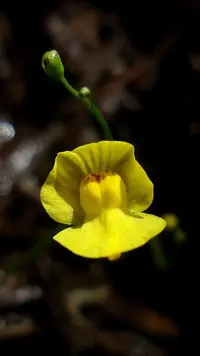
Wild populations show notable variation in flower size, shape, and color pattern, especially in the yellow throat markings, which has led to several horticultural forms being selected from the species.

Botan icon

Did you know?

In its native range, this plant often forms dense, moss-like mats that can completely carpet seepage areas and rock pockets, acting as an early colonizer of newly exposed wet rock surfaces and helping create microhabitats for other small plants and invertebrates.

FAQs about Cape Bladderwort

Insufficient light intensity, poor feeding on small aquatic or soil microfauna, or stress from recent repotting can reduce flowering. Stable, bright conditions and consistent moisture usually restore blooming once the plant rebuilds enough energy reserves.

Grow Healthy Plants with Botan Care

Keep your plants happy and healthy with plant identification, disease detection, and easy care guidance.


Botan plant care app — identify plants on mobile

Explore More Plants