Lichen Identification
Identify Lichen by Photo
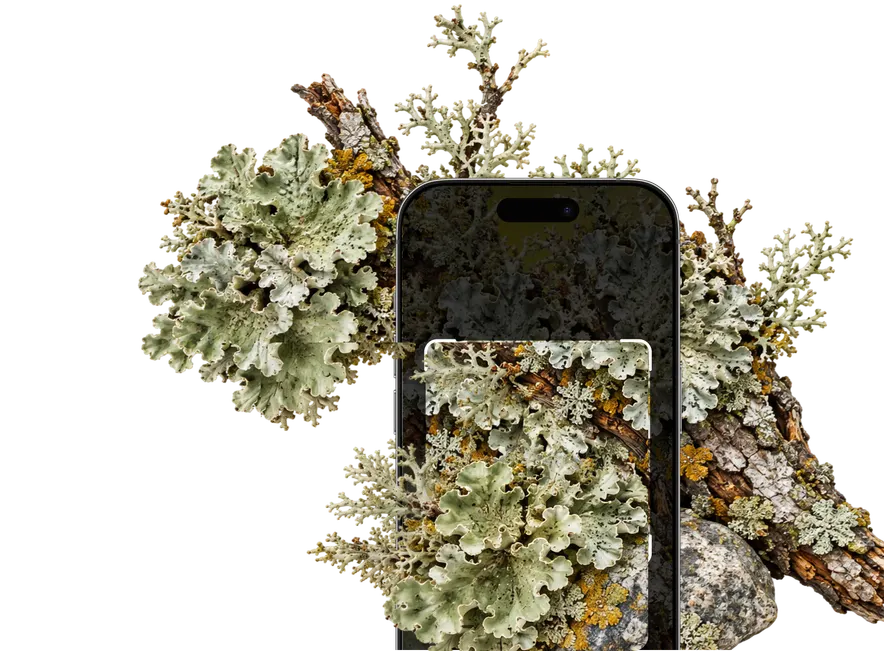
Use the Botan lichen identifier to find out what is growing on that tree or rock.


Identify Lichen by Photo
Use the Botan lichen identifier to find out what is growing on that tree or rock.

Plant Identifier Online for Free
Use easy-to-see images for the best plant ID results. Try not to take photos from very far away.
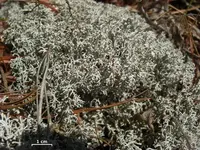
gray reindeer lichen
Cladonia rangiferina
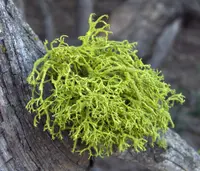
wolf lichen
Letharia vulpina
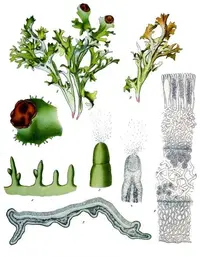
island cetraria lichen
Cetraria islandica
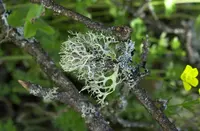
Oakmoss lichen
Evernia prunastri
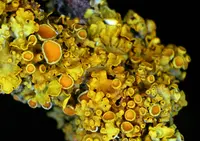
orange wall lichen
Xanthoria parietina
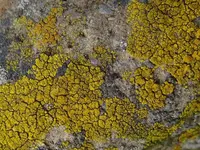
eggyolk lichen
Candelariella vitellina
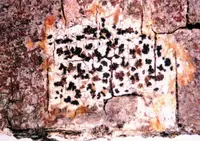
dot lichen
Arthonia radiata
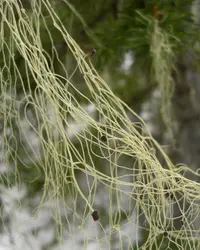
witch's hair lichen
Alectoria sarmentosa
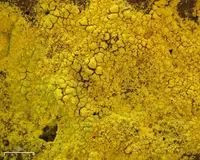
dust lichen
Chrysothrix candelaris
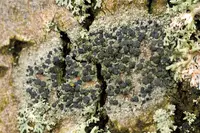
Tiny button lichen
Amandinea punctata
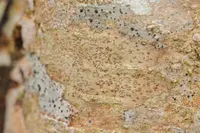
Coniocarpon cinnabarinum
Coniocarpon cinnabarinum
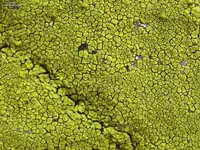
cracked lichen
Acarospora socialis
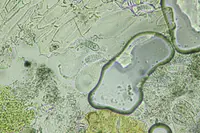
Arthonia ilicina
Arthonia ilicina
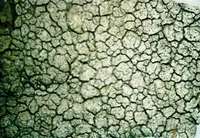
rimmed lichen
Aspicilia cinerea
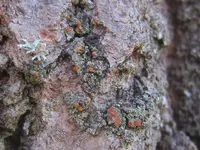
dotted lichen
Bacidia rubella
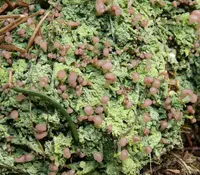
cap lichen
Baeomyces rufus
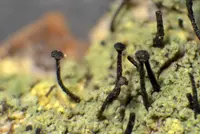
spike lichen
Calicium viride
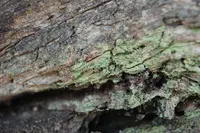
needle lichen
Chaenotheca chlorella
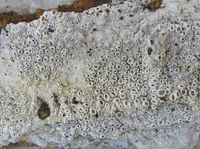
Bark barnacles
Thelotrema lepadinum
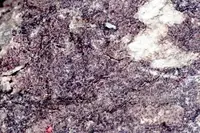
Brown cobblestone lichen
Acarospora fuscata
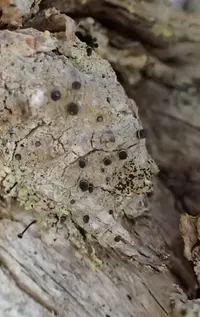
Acolium karelicum
Acolium karelicum
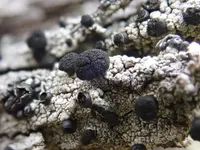
Cupped Soot Lichen
Acolium inquinans
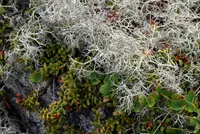
witch's hair lichen
Alectoria ochroleuca
Worm Lichen
Alyxoria culmigena
Want to know how to identify lichen from a photo? With Botan, you can do this in a few simple steps:
Clear and close-up shots that show the shape and surface texture work best for an accurate identification. It is also helpful to include a wider shot that shows the section of bark or rock where the organism is growing. Treat the result as a suggestion and be sure to compare it against the actual specimen.
You can classify them by their growth form. This is the first thing to keep in mind in lichen identification. There are three main types: crustose, foliose, and fruticose. The appearance of each type varies depending on the substrate — whether it is bark, rock, or soil.
Crustose types form a dense crust-like layer. They are firmly attached to their substrate, and in most cases, you cannot remove them without damaging the surface upon which they grow. They can be found on rocks, tree bark, and old walls. Their coloration ranges from gray and white to bright orange.
Specimens that consist of flat, leaf-like lobes are classified as foliose. Unlike crustose ones, you can usually lift the edges from the surface. The underside is often lighter in color than the top. Look for them on branches, trunks, and rocks.
In appearance, fruticose types resemble small shrubs, threads, or strands. They grow vertically upward or hang downward. Unlike the other two types, they do not lie flat against the surface but instead extend away from it.
Any reliable lichen identification guide is based on observable external features. Color, texture, shape, and habitat provide important clues. Together, these characteristics help narrow down the range of possible species.
Lichens can be gray, green, yellow, orange, white, or black. Their coloration may change depending on moisture levels: they often appear greener when wet and paler when dry.
Since color alone is not enough to accurately identify a species, be sure to examine the surface. Look for powdery patches, tiny cup-like structures, raised dots, or cracks. If possible, use a hand lens.
Growth form is the simplest way to begin classification. Crustose types adhere tightly to their substrate. Foliose species have lobes with free edges. Fruticose ones form tufts or strands, or resemble tiny shrubs.
Observe the form: does it lie flat against the surface, create folds, or grow vertically upward? Every detail helps to rule out incorrect options.
The surface on which a lichen grows provides additional clues. Some species are located on tree bark, rocks, soil, or weathered wood. For tree lichen identification, note the bark texture, the host tree, and the level of light exposure.
However, the surface alone is not enough to definitively identify a species. Always verify any identification hypothesis based on the growth substrate by examining the form and texture.
Lichens and mosses often share the same bark and stones. However, they are not related. The first one forms through a symbiosis between a fungus and a photosynthetic partner.
In this relationship, the fungus is the mycobiont, while the partner is the photobiont — typically a green alga or a cyanobacterium. Mosses, on the other hand, are true plants. Below are the major differences between them.
Feature | Lichens | Mosses |
Organism | Fungus plus alga or cyanobacteria | Plant |
Structure | Crust, lobes, or branches | Tiny stems and leaves |
Typical color | Gray, yellow, orange, or pale green | Mostly green |
Texture | Crusty, leathery, or powdery | Soft and cushion-like |
Anchoring | Attached directly to the surface | Thin rootlike rhizoids |
Lichen species identification requires patience, as even small errors can lead to an incorrect result. The three most common mistakes are:
Avoiding these mistakes will help you capture a clearer image and achieve a more accurate identification.
Botan helps you identify a lichen from a single photograph. It’s a handy tool to have along on any walk or hike. Here are a few good reasons to use this app:
Use the result as a starting point, then verify the key characteristics yourself.
Crustose types make up the largest group. They grow on rocks, tree bark, and walls in many different regions.