witch's hair lichen Care (Alectoria ochroleuca)

Also known as: Green Witch's Hair
witch's hair lichen

About witch's hair lichen

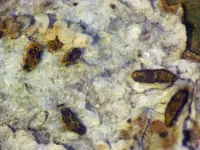
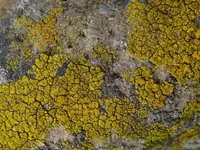
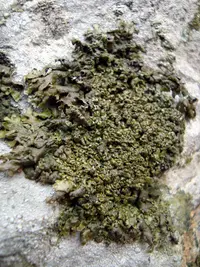
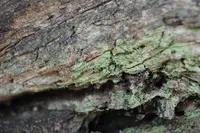
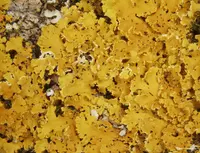
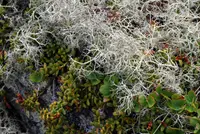
Witch's hair lichen (Alectoria ochroleuca) is a fruticose lichen, not a true plant, formed by a partnership between a fungus and an alga. It develops long, thin, hair-like strands that hang or drape over rocks, shrubs, and low trees, often giving a tangled, wiry look.

This species is native to cold, open habitats in arctic, subarctic, and high-altitude regions, where air is clean and conditions are harsh. Its slow growth, sensitivity to air pollution, and need for stable, cool, well-lit but not strongly shaded conditions make it challenging to care for witch's hair lichen in typical home settings.

Main Plant Requirements

Care Difficulty

Hard Care

Light Preference

Partial Shade

Water Requirements

Low Water

Temperature Preference

Cold Hardy

Hardiness Zone

1–6

Soil Texture

Rocky, Sandy

Soil pH

Strongly acidic (4.5–5.5)

Soil Drainage

Well-drained

Fertilization

Minimal (feed rarely)

Get Personalized Care Plan

Scan your plant to receive care tips personalized for your specific plant

Available on iOS and Android

How to Care for the witch's hair lichen

This lichen prefers bright, cool, open conditions that mimic rocky or tundra habitats.

  • Provide 4–8 hours of bright light daily, ideally with gentle morning sun and diffuse light the rest of the day.
  • It tolerates light to moderate partial shade, but dense shade for most of the day reduces growth and can thin witch's hair lichen over time.
  • Avoid strong, reflected afternoon sun or hot rock faces in summer, which can overheat and desiccate the thalli, especially in drier climates.

Water needs for this lichen focus on brief wetting and thorough drying rather than sustained moisture.

  • In the field or on outdoor mounts, aim for intermittent wetting from rain, mist, or light hand-spraying, allowing the surface to dry completely between events.
  • Choose very fast-draining, rocky or bark surfaces; avoid compact, water-holding substrates that stay damp for more than 12–24 hours.
  • Signs of excess moisture include soft, darkened, or slimy patches, while very brittle, pale fragments that crumble easily suggest Alectoria ochroleuca has stayed dry too long.

This species is naturally adapted to cool to cold climates with significant seasonal swings.

  • Optimal active growth occurs roughly around 35–60°F (2–16°C), with good tolerance of cooler, moist conditions common in northern and alpine areas.
  • It survives long periods well below 32°F (0°C), as freezing is normal in its range, but rapid freeze–thaw cycles combined with soaking wet conditions can damage tissue.
  • Sustained heat above 80–85°F (27–29°C), especially when combined with direct sun and low humidity, can desiccate thalli, so prioritize cooler, breezy, shaded exposures in hot seasons.

This lichen prefers cool, clean, very humid air and declines quickly in dry indoor conditions.

  • Aim for 70–100% relative humidity, similar to misty coastal or boreal forest air, for stable growth.
  • Dry air causes brittle, pale, and easily crumbling branches, indicating desiccation stress.
  • Increase humidity outdoors by placing it in foggy, sheltered microclimates; avoid indoor use unless you can maintain near-constant high humidity for witch's hair lichen.

Alectoria ochroleuca anchors to bark, rock, or rough inert substrates rather than growing in conventional soil.

  • Use a very coarse, well-aerated base such as rough bark pieces, lava rock, or unglazed stone with abundant air gaps.
  • Ensure rapid drainage so water runs off within seconds; the substrate should dry quickly and never stay soggy or compacted.
  • Maintain substrate in the slightly acidic range around pH 5.0–6.5 by avoiding lime-rich stones or alkaline dusts.
  • Keep surfaces free of dense moss, algae, or fine organic build-up that can trap prolonged moisture and smother the lichen.

This species is only loosely suited to container culture and is better mounted than potted in traditional media.

  • Use a wide, shallow, heavy container or tray to keep lightweight branches from blowing away while still exposing them fully to air movement.
  • Fill the container only with coarse, inert supports like large bark chunks or lava rock so the lichen rests on top rather than being buried.
  • Position the container where rain or mist can reach it but ensure water drains away instantly through ample side gaps or a mesh bottom.

This lichen does not benefit from conventional fertilizing and usually gains all needed nutrients from clean air, rain, and its substrate.

Alectoria ochroleuca needs almost no active pruning; only minimal cleaning helps maintain appearance and monitoring access to light and air.

  • Inspect strands in late winter or early spring, when growth is slow and structure is easy to see.
  • Gently remove only dead, discolored, or heavily damaged tufts by hand to avoid tearing healthy tissue.
  • Avoid cutting living strands; pruning changes natural form and can reduce surface area for photosynthesis.
  • Use clean, blunt tweezers or gloved fingers rather than blades to minimize mechanical damage.

This species is seldom kept in containers; management focuses on carefully moving small clumps rather than conventional repotting.

  • Transplant only if the original substrate is disturbed, polluted, or shaded, since frequent moves stress the thallus.
  • Choose cool, moist weather in spring or fall so clumps experience less drying and heat stress during establishment.
  • Attach fragments loosely to bark, rock, or wood using natural fiber ties or rough surfaces, keeping existing orientation.
  • Handle strands gently, avoid squeezing, and keep them slightly moist before and after transfer to limit desiccation damage.

Reproduction of Alectoria ochroleuca is usually left to natural fragmentation and spores, so intentional propagation is limited and slow.

This lichen is naturally cold hardy and usually needs no special winter care in outdoor conditions within its native range.

Care Tips

Air-circulation mounting

Attach the lichen loosely to rough, inert materials such as untreated twigs, bark slabs, or cork so that air can move freely around all sides of the thalli and prevent stagnant pockets that promote decay.

Salt and pollution check

If collected near roads or coastal spray zones, gently rinse briefly in distilled water and air-dry fully before display to reduce surface salts and pollutants that can damage tissues over time.

Light-rotation routine

Rotate hanging clusters every 1–2 weeks so different sides receive similar light exposure, which helps maintain even color and growth rather than bleaching only the sun-exposed surface.

Dry-handling only

Handle the lichen mainly when it is completely dry, supporting it from beneath instead of pulling individual strands, as hydrated tissues are more elastic and prone to tearing at attachment points.

Seasonal rest period

In late fall and winter, reduce disturbance and keep the lichen in a cooler, very airy spot to mimic its natural seasonal slowdown, which supports long-term stability when caring for witch's hair lichen.

Common Pests and Diseases

Air pollution injury

Symptoms include bleaching, loss of color intensity, and gradual thinning or fragmentation of the lichen thallus in areas exposed to polluted air. This damage develops slowly and is often most visible on portions nearest roads, industry, or dense urban activity.

Solution

Reduce exposure to vehicle exhaust and industrial emissions by collecting witch's hair lichen only from clean, remote areas and displaying it away from busy roads or indoor smoke sources. For display pieces, remove and discard heavily damaged segments and replace them with healthy material sourced from unpolluted habitats, following local foraging regulations and sustainable harvesting guidelines for Alectoria ochroleuca care instructions.

Sulfur dioxide sensitivity

This disease-like stress is caused by high levels of sulfur dioxide, leading to yellowing, surface pitting, and eventual death of sensitive lichen strands. Damage often appears on windward sides of trees or rocks facing emission sources.

Solution

Avoid placing or harvesting material from areas downwind of coal-burning facilities, smelters, or other sulfur-emitting sources. Long-term management relies on selecting only healthy, firmly attached, elastic thalli from clean-air sites and discarding any brittle, discolored, or heavily spotted portions.

Extreme desiccation damage

Symptoms include brittle, easily crumbling strands and permanent loss of flexibility after repeated cycles of severe drying without adequate natural rehydration. Color may shift to a dull, faded tone, and segments may snap off in wind or handling.

Solution

In dry storage or display, keep collected witch's hair lichen out of direct heat sources and strong, prolonged sun and allow occasional exposure to natural humidity or light misting, then thorough drying with good airflow. Remove and discard heavily fractured material and handle thalli gently to reduce mechanical breakage.

Soot and dust fouling

This contamination appears as dark, dirty coatings on the lichen surface, reducing photosynthesis and eventually weakening or killing the thallus if accumulation is heavy. Affected strands often look dull, greyed, or blackened rather than clean yellow-green.

Solution

Limit exposure to fireplaces, candles, road dust, and other particulate sources, and gently clean lightly soiled thalli by soft brushing or a brief rinse in clean, cool water followed by complete air-drying. Severely coated or clogged segments should be discarded, as deep deposits cannot be removed without damaging the lichen.

Interesting Facts

Arctic tundra specialist

This lichen is strongly associated with cold, open tundra and polar desert habitats, where it grows on soil, rocks, and plant debris, especially in high-latitude regions of the Northern Hemisphere.

Nitrogen-fixing partnership

It houses cyanobacteria (photosynthetic bacteria) that can fix atmospheric nitrogen into forms usable by plants and soil microbes, contributing to nutrient input in nutrient-poor Arctic ecosystems.

Cold and drought tolerant

Its fruticose, hair-like thallus can survive long dry or frozen periods in a dormant state, then rapidly resume photosynthesis when moistened by snowmelt or fog.

Botan icon

Did you know?

This species is often used as an indicator of relatively undisturbed Arctic environments, since it is slow-growing and sensitive to heavy physical disturbance and some forms of air pollution, so its presence can signal long-term habitat stability.

FAQs about witch's hair lichen

Growth is slow. In natural habitats it often adds only a few millimeters each year, sometimes up to 5–10 mm in good conditions. Air quality, humidity, and substrate stability strongly influence growth rate and overall vigor.

Grow Healthy Plants with Botan Care

Keep your plants happy and healthy with plant identification, disease detection, and easy care guidance.

Botan plant care app — identify plants on mobile

Explore More Plants