Worm Lichen Care (Alyxoria culmigena)

Worm Lichen

About Worm Lichen

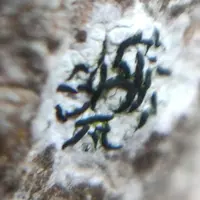
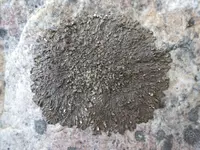
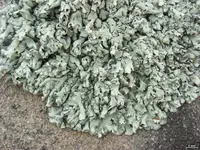
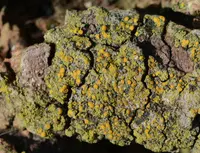
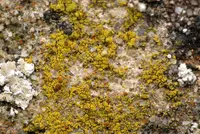
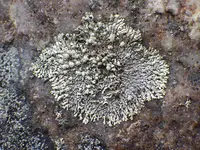
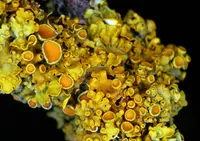
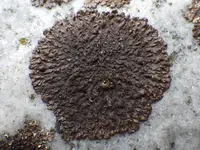
Worm lichen, Alyxoria culmigena, is a crustose lichen that grows tightly attached to surfaces rather than forming leafy or shrubby structures. It often appears as pale to gray patches with fine, elongated fruiting bodies that give a slightly worm-like texture.

This species is typically found on the bark of grasses and other small plants in temperate regions, especially in relatively undisturbed habitats. It relies on clean air and stable moisture, so it can be sensitive to pollution and environmental change, which affects how easy it is to maintain in cultivation.

For those who try to care for Worm Lichen, it generally prefers bright, indirect light, gentle airflow, and consistently cool, slightly moist conditions on a stable, non-fertilized substrate.


Main Plant Requirements

Care Difficulty

Moderate Care

Light Preference

Partial Shade

Water Requirements

Moderate Water

Temperature Preference

Cool Climate

Hardiness Zone

Unknown

Soil Texture

Rocky, Loamy

Soil pH

Slightly acidic (6.5–7.0)

Soil Drainage

Well-drained

Fertilization

Minimal (feed rarely)

Get Personalized Care Plan

Scan your plant to receive care tips personalized for your specific plant

Available on iOS and Android

How to Care for the Worm Lichen

This crustose lichen prefers stable, gentle light on its natural grass or sedge hosts.

  • Provide bright, indirect light or light dappled shade, roughly 2–4 hours of soft morning sun and filtered light the rest of the day.
  • Avoid harsh, direct midday sun, which can overheat and desiccate Worm Lichen, especially on exposed, dry sites.
  • In summer, increase shade slightly during hot, clear periods; in winter, allow more open exposure so surfaces receive low-angle sunlight.

This species relies on ambient moisture rather than direct watering of the lichen itself.

  • Focus on the surrounding habitat: maintain moist but not waterlogged conditions for the host stems, avoiding standing water around them.
  • Allow the top 2–3 cm of soil around supporting grasses or sedges to dry slightly between natural rain events or any supplemental irrigation.
  • Signs of excess moisture include persistently soggy soil and algae growth, while dull, brittle thalli suggest extended drought around Alyxoria culmigena.

This lichen tolerates a broad outdoor temperature range but thrives in cool to mild conditions.

  • Optimal growth occurs around 50–68°F (10–20°C), typical of temperate, humid climates with moderate seasonal shifts.
  • It usually tolerates short dips near 23–28°F (-5 to -2°C) on host stems, but prolonged hard frost and drying winds can damage exposed material.
  • Heat above 82–86°F (28–30°C) with low humidity stresses the lichen, so partial shade and stable moisture help buffer summer extremes.

This lichen tolerates a wide humidity range but grows best in consistently moist air.

  • Target 50–80% humidity, similar to sheltered outdoor microclimates, for steady growth of Worm Lichen.
  • It endures short dry spells but prolonged air below 40% can cause paling, brittleness, and reduced growth.
  • Increase humidity by positioning near other plants, using a pebble tray outdoors, or lightly misting surroundings without soaking the substrate.

Alyxoria culmigena is substrate-dependent rather than soil-rooted, so focus on a firm, well-aerated surface instead of conventional potting soil.

  • In cultivation, mount it on hard, slightly rough materials like bark, weathered wood, or unglazed stone rather than burying in a mix.
  • Keep any supporting medium free-draining and thin; avoid compact, waterlogged, or peat-heavy layers that stay wet for more than 24 hours.
  • Aim for slightly acidic to neutral conditions (pH 5.5–7.0), avoiding lime-rich dusts or additives that can alter lichen chemistry.
  • If a stabilizing layer is needed, use a very lean mix of coarse sand and fine grit to maintain aeration around the thallus surface.

This species is only loosely suitable for container culture and is best grown on mounted substrates placed within a shallow tray or pot.

  • Use a wide, low container to support the mount and keep the lichen close to moving air while limiting stagnant moisture pockets.
  • Secure the bark or stone mount firmly with inert ties or gravel so vibration or tipping does not shear the delicate thallus.
  • Choose heavier materials like ceramic trays with coarse grit to prevent light mounts from shifting during wind or watering.

Alyxoria culmigena is a crustose lichen that grows on grass culms and usually performs best without additional fertilizer.

Alyxoria culmigena does not require intentional pruning, as it naturally maintains its form on grass stems and other fine substrates.

This species is not suited to conventional repotting, as Alyxoria culmigena is a lichen specialized for growing on living or dead grass culms.

  • Avoid container culture; instead, allow it to develop on appropriate host grasses in the ground or naturalistic plantings.
  • Transplant only by moving host material, such as intact grass stems, rather than trying to detach and shift the lichen itself.
  • If host grasses are relocated, do this during mild, moist weather to reduce stress and desiccation of both host and lichen.
  • Handle supporting stems gently to keep the lichen crust intact and avoid rubbing, scraping, or prolonged drying winds.

Human propagation of Alyxoria culmigena is rarely attempted, since this lichen relies on slow natural colonization and symbiosis between fungus and alga.

In temperate climates this lichen is cold hardy and usually needs no special winter care beyond maintaining a stable grass habitat for Worm Lichen.

Care Tips

Avoid Substrate Fertilizers

Install this lichen only on nutrient-poor, unsealed woody surfaces and avoid any fertilizer, compost, or bark treatments nearby, since excess nutrients strongly disadvantage Alyxoria culmigena against faster-growing algae and mosses.

Minimize Physical Disturbance

Select mounting sites on branches, posts, or old woody stems that are unlikely to be brushed, handled, or pruned, because even light repeated contact can crush the thin thallus and prevent re-establishment.

Control Shading Overgrowth

Periodically thin surrounding twigs, ivy, or dense moss that begin to shade or overgrow the host surface, maintaining a stable, lightly open exposure that favors slow lichen expansion.

Maintain Stable Host Wood

Choose long-lived, slow-decaying woody substrates such as mature tree branches or untreated hardwood posts so the host remains structurally sound for many years, allowing consistent colonization and growth.

Monitor Air Quality

Site colonies away from busy roads, bonfire areas, and heavy pesticide use, and if possible track local air quality reports, since stable, clean air supports long-term success when growing Worm Lichen.

Common Pests and Diseases

Air pollution damage

Symptoms include bleaching, dull gray discoloration, or localized death of lichen patches on exposed culms, especially near roads or industrial areas. This stress weakens the thallus and can slow or stop growth.

Solution

Reduce exposure to exhaust and smoke by avoiding collection or placement of host grasses near busy roads, chimneys, or fire pits, and provide good air circulation around the substrate. Over time, relocate affected material to a cleaner-air site and avoid additional stress such as heavy handling or chemical sprays to support recovery when growing Worm Lichen in managed conditions.

Heavy metal toxicity

This disease causes darkening, crust breakdown, or patchy dieback where lichen grows on substrates contaminated with metals such as zinc, copper, or lead. This toxicity disrupts normal metabolism and can kill sensitive parts of the thallus.

Solution

Avoid using roadside, treated, or industrially exposed grasses as substrates and instead select culms from clean, unsprayed locations. If symptoms appear, replace the contaminated substrate with clean material and keep moisture and light levels stable to allow healthier fragments to re-establish.

Fungal overgrowth

This disease appears as a secondary mold or sooty growth that overlays the lichen surface, often in persistently wet, stagnant air conditions. This overgrowth can shade and smother the lichen, leading to loss of viable tissue.

Solution

Improve air movement and reduce prolonged surface wetness by spacing substrates, avoiding constant misting, and allowing surfaces to dry slightly between wetting events. Gently remove loose mold with a soft brush and, if needed, trim away heavily overgrown sections while maintaining stable light and humidity for the remaining healthy lichen.

Lichen-feeding mites

This pest causes fine pitting, roughened surfaces, and tiny fragmented areas where the cortex appears scraped or eroded. These arthropods feed on lichen tissues and can gradually thin or break up colonies in confined setups.

Solution

Inspect colonies with a hand lens and physically remove heavily infested fragments, then lightly rinse the substrate with clean water to dislodge remaining mites. In enclosed displays, briefly lowering humidity and increasing airflow can reduce mite populations, and introducing predatory mites sourced from biological-control suppliers may help in persistent cases.

Interesting Facts

Specialized grass-dweller

This lichen is almost exclusively found on the dead culms of grasses and sedges, especially in damp meadows and reedbeds, rather than on bark, rock, or soil like many other lichens.

Subtle spore prints

Its ascomata (spore-producing structures) are tiny, black, elongated dots that sit flush with the grass surface, releasing colorless, multi-septate spores that are best seen under a compound microscope.

Indicator of stable wetlands

Populations are typically associated with long-established, relatively undisturbed wet grasslands and fen-like habitats, so its presence can signal continuity of moist, unmanaged vegetation.

FAQs about Worm Lichen

This crustose lichen grows very slowly, often only fractions of a millimeter per year. Growth depends on clean air, stable humidity, and suitable bark or stem surfaces, so visible expansion may take many years.

Grow Healthy Plants with Botan Care

Keep your plants happy and healthy with plant identification, disease detection, and easy care guidance.

Botan plant care app — identify plants on mobile

Explore More Plants