

Warty Camouflage Lichen Care (Xanthoparmelia verruculifera)

Also known as: Carbuncular Rock-shield Lichen
Warty Camouflage Lichen

About Warty Camouflage Lichen

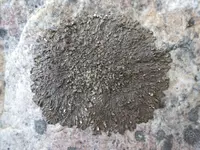
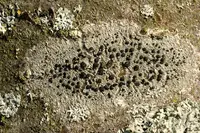
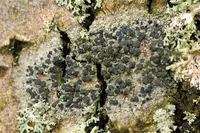
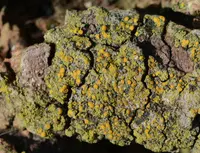
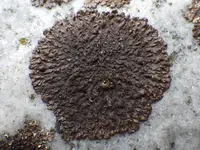
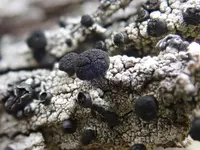
Warty camouflage lichen (Xanthoparmelia verruculifera) is a foliose lichen, not a true plant, formed by a partnership between a fungus and algae. It grows as flat, overlapping lobes with a warty, rough surface that often blends into the surrounding rock.

This species typically occurs on exposed rocks in dry, sunny regions, especially in open landscapes with clean air. It grows slowly and is sensitive to air pollution and physical disturbance, which makes it challenging to keep in cultivation.

Those who want to care for Warty Camouflage Lichen should provide bright light, good air movement, and intermittent moisture on a well-drained, mineral surface, closely mimicking its natural habitat.

Main Plant Requirements

Care Difficulty

Moderate Care

Light Preference

Full Sun

Water Requirements

Low Water

Temperature Preference

Cool Climate

Hardiness Zone

Unknown

Soil Texture

Rocky, Sandy

Soil pH

Strongly acidic (4.5–5.5), Acidic (5.5–6.5)

Soil Drainage

Well-drained

Fertilization

Minimal (feed rarely)

Get Personalized Care Plan

Scan your plant to receive care tips personalized for your specific plant

Available on iOS and Android

How to Care for the Warty Camouflage Lichen

This crustose lichen prefers bright, open conditions but tolerates some shade depending on local climate.

  • Provide 4–6 hours of direct sun in cool to mild climates; in hotter regions, favor morning sun with dappled or bright indirect light after midday.
  • Warty Camouflage Lichen growing on rock outcrops often handles full sun, but intense afternoon sun plus reflected heat can cause bleaching and drying stress.
  • In shaded sites, growth slows and thalli become thinner; if possible, increase light gradually during spring to avoid shock and monitor color changes as a guide.

Xanthoparmelia verruculifera is drought-tolerant and relies mainly on natural rainfall for moisture.

  • Allow the substrate or rock surface to dry completely between wetting; this lichen is adapted to brief wet periods followed by extended dryness.
  • If supplemental water is needed, mist or lightly sprinkle only when the thallus feels brittle and very dry, then let excess drain away quickly to avoid standing water.
  • Signs of overwatering include soft, discolored patches or algae growth around the thallus; excessive dryness shows as prolonged brittleness with little swelling after rain or misting.

This lichen is adapted to exposed habitats and tolerates a wide temperature range when airflow is good.

  • Optimal active growth occurs around 50–75°F (10–24°C), especially when moisture is available from rain, fog, or dew.
  • It survives brief cold down to about 10–15°F (-12 to -9°C) when dry, but repeated freeze–thaw cycles while wet can damage tissue.
  • Heat tolerance extends to about 90–95°F (32–35°C) if humidity is low and surfaces dry quickly; prolonged hotter conditions increase desiccation stress and can slow recovery.

This lichen favors cool, airy conditions with moderate, stable humidity rather than stagnant dampness.

  • Target 40–60% humidity, as Warty Camouflage Lichen adapts well to slightly dry, well-ventilated air.
  • Tolerates brief drier periods, but persistent very dry air causes brittling, fading color, and crumbling lobes.
  • Increase humidity locally with a nearby open tray of water and stones or by misting surroundings lightly, avoiding waterlogging the thallus.

Xanthoparmelia verruculifera normally grows on rock, so any artificial substrate should mimic firm, mineral, very fast-draining conditions.

  • Use a shallow layer of gritty, sandy material such as 2 parts coarse sand with 1 part fine gravel or crushed stone over a solid base.
  • Ensure extremely sharp drainage so water passes through in seconds and the surface dries quickly between wetting.
  • Keep pH near neutral to slightly alkaline by incorporating a small amount of crushed limestone or calcium-rich gravel if available.
  • Avoid organic-rich, loamy, or compact mixes, which hold moisture and promote rot, algae, and competing moss growth.

This species can be maintained in very shallow containers or trays that simulate exposed rocky surfaces.

  • Choose a wide, shallow, heavy container to keep the relatively flat, crusty growth stable and prevent tipping in wind or handling.
  • Provide several drainage holes and a coarse mineral base layer so any irrigation water drains off rapidly without pooling around the lichen.
  • Tilt the container slightly so water always runs off one edge, keeping the main lichen surface mostly dry between brief wettings.

This lichen derives nutrients from rain, dust, and its substrate, so additional fertilizer is usually unnecessary for healthy growth.

Xanthoparmelia verruculifera needs almost no pruning, as it naturally maintains a low, crusty form on rocks or bark.

In cultivation, Warty Camouflage Lichen is best managed by careful transplanting rather than frequent repotting.

  • Transplant only when a colony outgrows its rock or needs relocation, usually every several years at most.
  • Choose cool, mild weather to move fragments, avoiding heat waves or freezing conditions.
  • Gently lift and transfer thallus pieces with a thin blade, keeping attached substrate intact where possible.
  • Secure fragments onto a new rock with breathable, temporary ties or netting until they reattach naturally.

Propagation of this lichen is slow and specialized, so it is rarely attempted by home growers and best left to experts or conservation projects.

This rock-dwelling lichen is naturally cold hardy and generally needs no special winter care in outdoor settings.

Care Tips

Mimic Rock Substrate

Attach thalli to a flat, porous rock slab or unglazed tile rather than soil, using a few drops of non-toxic, waterproof adhesive only at the edges so the lichen can anchor naturally over time.

Use Clean Rainwater

Collect rainwater or use dechlorinated, low-mineral water in a fine mist to avoid salt buildup, which can damage the delicate symbiosis between fungus and alga in this lichen.

Provide Air Movement

Place the mounted lichen in a location with gentle, regular air movement from a fan or open window to reduce stagnation and lower the risk of mold development during damp periods.

Drying–Moistening Cycles

Encourage natural wet–dry cycles by allowing the lichen to fully dry between mistings, which supports normal metabolism and helps maintain stable long-term growth when growing Warty Camouflage Lichen.

Avoid Handling Surfaces

Handle only the edges of the rock or mount and avoid touching the lichen surface, as skin oils and repeated pressure can crush the structure and slow recovery after hydration cycles.

Common Pests and Diseases

Lichenicolous fungi

This disease involves specialized fungi that live on lichens and can cause discoloration, black spots, or localized tissue death in the thallus. Symptoms include patchy, darkened, or deformed areas that differ in texture from healthy tissue.

Solution

Remove heavily colonized pieces with clean scissors or by gently breaking them away, and discard them. Keep the lichen in a drier, well-ventilated spot and avoid persistent surface wetness, which favors fungal development.

Snail and slug grazing

These pests feed on moist lichen thalli, leaving ragged, scraped, or missing patches, especially along edges and on shaded, humid surfaces. This pest is most active in damp conditions or after rain or heavy misting.

Solution

Physically remove snails and slugs when seen, and reduce hiding places such as dense debris around the substrate. If damage is significant, use copper barriers or iron phosphate bait placed around, not directly on, the lichen habitat.

Mite infestations

These insects are microscopic arthropods that may tunnel into or scrape the lichen surface, causing a dusty, uneven texture and slow thinning of the thallus. Symptoms include tiny specks and a dull, patchy appearance on previously robust areas.

Solution

Gently rinse the lichen with clean water and allow it to dry thoroughly in moving air, which discourages many mites. In persistent cases, isolate the affected material and apply a very light mist of insecticidal soap around, not directly saturating, the thallus, then improve ventilation as part of Xanthoparmelia verruculifera care instructions.

Interesting Facts

Distinct warty surface

This lichen forms yellow‑green foliose thalli with conspicuous wart‑like outgrowths (verruculae) on the upper surface, a trait used by lichenologists to separate it from closely related Xanthoparmelia species.

Preference for siliceous rocks

It typically colonizes exposed, nutrient‑poor siliceous rocks such as granite and quartzite, where it tolerates high light, periodic desiccation, and large temperature swings.

Secondary chemical profile

Chemical tests show that it produces a characteristic suite of secondary metabolites, including usnic acid in the cortex and specific depsidones in the medulla, which aid in species identification by thin‑layer chromatography.

FAQs about Warty Camouflage Lichen

Growth is very slow. Thalli usually expand only a few millimeters per year, depending on light, moisture, and air quality. In stable, unpolluted sites, a colony may take decades to form a noticeable patch.

Grow Healthy Plants with Botan Care

Keep your plants happy and healthy with plant identification, disease detection, and easy care guidance.

Botan plant care app — identify plants on mobile

Explore More Plants