disc lichen Care (Buellia disciformis)

Also known as: Boreal button lichen; Disc lichen, Boreal Button Lichen
disc lichen

About disc lichen

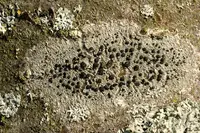
Disc lichen (Buellia disciformis) is a crustose lichen, not a true plant, forming thin, firmly attached patches on bark, wood, or rock. It often shows small, dark, disk-like fruiting bodies that give the species its name. This species is widespread across temperate regions, especially in Europe and North America, where air is reasonably clean. It grows slowly and is sensitive to heavy pollution or frequent surface disturbance. Because it relies on stable, undisturbed surfaces and clean air, it is not a beginner-friendly species to cultivate. Many enthusiasts simply observe it in nature rather than try to care for disc lichen at home.


Main Plant Requirements

Care Difficulty

Hard Care

Light Preference

Partial Shade

Water Requirements

Low Water

Temperature Preference

Cold Hardy

Hardiness Zone

Unknown

Soil Texture

Rocky, Sandy

Soil pH

Slightly acidic (6.5–7.0)

Soil Drainage

Well-drained

Fertilization

Minimal (feed rarely)

Get Personalized Care Plan

Scan your plant to receive care tips personalized for your specific plant

Available on iOS and Android

How to Care for the disc lichen

This crustose lichen prefers cool, stable light rather than intense, direct sun.

  • Provide bright, indirect light or light dappled shade, ideally 2–4 hours of gentle morning sun with protection from strong midday and afternoon sun.
  • Disc lichen tolerates deep shade for part of the day, but growth slows and thalli may become thinner or paler if light stays very low.
  • Avoid prolonged full sun, especially on exposed rocks or bark, since surfaces can overheat and desiccate the lichen, particularly in summer.

This lichen absorbs moisture from rain, dew, and humidity rather than from regular soil watering.

  • Allow the substrate to dry fully between natural wetting events; surfaces should feel dry to the touch for several days before the next soak from rain or misting.
  • In cultivation, lightly mist only when the lichen looks fully dry and brittle, then allow it to rehydrate and dry again; do not leave it standing in water.
  • Overwatering or constant saturation promotes algae and mold; signs include slimy patches, dark soft areas, or peeling from the substrate in Buellia disciformis.

This species is adapted to cool to temperate conditions with broad seasonal variation.

  • Optimal activity occurs around 50–70°F (10–21°C), with metabolism increasing during cool, moist periods and slowing in hotter or very dry conditions.
  • It tolerates winter cold well, often down to about 10–15°F (-12 to -9°C) if gradually acclimated, but sudden hard freezes after warm spells can damage hydrated tissues.
  • Heat above 85°F (29°C), especially on sun-exposed rock or bark, can cause rapid desiccation, so some shade and air movement help buffer extreme summer temperatures.

This crustose lichen tolerates a wide humidity range but benefits from mildly moist air.

  • Target 40–70% humidity, similar to shaded outdoor stone or bark surfaces where it naturally grows.
  • It copes with short dry spells, but prolonged very dry indoor air can slow growth and cause dull, brittle thalli.
  • Humidity stress appears as cracking, edge lifting, and persistent discoloration after rewetting.
  • Increase humidity locally by misting surrounding surfaces or placing shallow water trays nearby without wetting the lichen directly.

Buellia disciformis is a saxicolous lichen that normally grows on rock, so it does not need conventional soil but can be mounted or placed on mineral substrates.

  • Use a coarse, mineral-based medium such as 70–90% grit, sand, or fine gravel with only minimal organic matter.
  • Ensure extremely sharp drainage; water must pass through in seconds, leaving the substrate mostly dry between light rewetting.
  • Aim for neutral to slightly alkaline conditions (around pH 6.5–8) using limestone chips or crushed shells if necessary.
  • Avoid compact, peat-heavy, or water-retentive mixes, which restrict air flow and promote rot, algae, or competitive moss growth.

This lichen can be grown in shallow containers or trays mainly as a display for attached rocks or bark pieces.

  • Choose a wide, shallow dish that stabilizes the supporting rock while keeping the lichen itself above any standing water line.
  • Add a base layer of coarse gravel in the container so excess water drains away from the rock surface quickly.
  • Use heavier ceramic or stone containers outdoors to prevent tipping or shifting in wind, which can shear the lichen from its substrate.

This crustose lichen grows on bark or rock and does not benefit from conventional fertilization.

Buellia disciformis does not need true pruning, but limited cleaning helps keep host surfaces healthy.

  • Inspect bark or rock surfaces once or twice a year, ideally in late winter or early spring.
  • Gently remove only loose, dead substrate around the thallus using a soft brush, avoiding direct scraping of the lichen.
  • Do not cut, shear, or pick at the lichen body, as this damages slow-growing tissues.

This species is usually left in place on its natural substrate rather than transplanted or grown in pots.

  • Transplant only when a host tree or branch must be removed, and expect slow or uncertain re-establishment.
  • Work in cool, overcast weather to reduce desiccation stress during any relocation attempt.
  • Move small bark or rock pieces carrying the lichen intact instead of peeling the thallus off the surface.
  • Place the new substrate in similar light and moisture conditions to the original site for best survival chances.

Artificial propagation of Buellia disciformis is specialized and rarely attempted outside research settings.

This lichen is naturally cold hardy and needs no special winter care in outdoor conditions.

Care Tips

Use compatible substrates

Attach thallus fragments only to stable, non-porous or slightly porous substrates such as unglazed ceramic, natural stone, or aged bark that mimic the original surface the lichen came from, to improve attachment and long-term survival.

Minimize handling damage

Handle the lichen only by the underlying substrate or with soft, blunt tweezers, since repeated touching and flexing of the thallus edge can cause microscopic tearing that slows recovery and colonization.

Optimize airflow patterns

Position the culture where there is gentle, consistent air movement rather than still, enclosed corners, as steady airflow helps keep the surface dry between mistings and reduces fungal contamination on the thallus.

Seasonal moisture adjustment

Reduce misting frequency and duration in cooler, shorter-day periods and increase it slightly during brighter, longer days, matching the natural pattern that this species uses to balance hydration and gas exchange when growing disc lichen under controlled conditions.

Quarantine new material

Keep any newly collected or purchased lichen pieces in a separate tray or container for 3–4 weeks to monitor for mites, slugs, or fungal overgrowth before placing them near established colonies.

Common Pests and Diseases

Air pollution injury

Symptoms include bleaching, dark spots, or loss of the lichen thallus on surfaces exposed to polluted air, especially near roads or industrial areas. This condition reflects sensitivity to sulfur dioxide, nitrogen oxides, and other airborne contaminants.

Solution

Reduce exposure by locating collected specimens or displays away from busy roads, chimneys, or industrial exhaust, and avoid smoking or burning candles nearby in indoor setups. For outdoor conservation, prioritize cleaner-air sites such as protected woodlands and limit disturbance of healthy colonies while local air quality improves.

Substrate acidification

This disease-like stress appears when chemical changes in bark or rock surfaces, often from acid deposition, cause thinning, discoloration, and eventual loss of the lichen thallus. Symptoms include patchy dying edges and reduced reproductive discs on previously stable colonies.

Solution

Avoid mounting or keeping disc lichen on substrates exposed to strong acids, concrete runoff, or heavy fertilizer residue. For conservation or display, choose stable, naturally weathered bark or stone and keep water sources free of acidic or alkaline contamination to support long-term colony stability.

Overgrowth by mosses

This problem occurs when fast-growing mosses overtop and shade lichen colonies, leading to reduced light, trapped moisture, and gradual death of the lichen. Symptoms include lichen patches shrinking as moss cushions expand across the same bark or rock surface.

Solution

Gently peel back or trim away excess moss around lichen patches using tweezers, taking care not to scrape the lichen surface. Improve light and air movement by slightly opening the canopy or clearing immediate debris, while avoiding drastic habitat changes that would dry the substrate too quickly.

Fungal lichenicolous infection

This disease is caused by specialized fungi that live on lichens, forming dark spots, swellings, or distorted reproductive discs. Symptoms include localized blackened areas, roughened texture, and reduced spore production on affected thallus parts.

Solution

Carefully remove and discard heavily infected fragments using a clean blade, leaving healthy tissue intact. Maintain stable moisture and light conditions, avoid crowding multiple lichen species in tight containers, and use only clean, uncontaminated substrate pieces to reduce spread.

Lichen-feeding mites

This pest feeds on lichen tissues and reproductive structures, causing fine surface pitting, pale speckling, and slow thinning of the thallus. These pests are often invisible to the naked eye and are noticed mainly by gradual surface damage.

Solution

For disc lichen indoor care or in controlled displays, use a soft brush or air blower to dislodge mites and debris, and briefly increase airflow and reduce excessive humidity to make conditions less favorable. In valuable conservation setups, a targeted application of a low-toxicity miticide labeled for use around non-vascular plants may be used sparingly, avoiding direct saturation of the thallus.

Interesting Facts

Specialist on smooth bark

This crustose lichen most often colonizes smooth bark of broadleaf trees such as beech and maple, forming small gray patches dotted with black fruiting discs.

Tiny but long-lived

Although each thallus is only a few millimeters across, individuals can persist for many years on the same patch of bark if the substrate remains stable.

Indicator of stable woods

Its presence is associated with long-continuity woodlands and older trees in temperate Europe and parts of North America, so lichenologists sometimes use it as one of several clues for evaluating woodland ecological continuity.

FAQs about disc lichen

Growth is slow. The thallus usually enlarges only 0.5–2 mm per year, depending on moisture, light, and air quality. In stable, clean environments, it gradually forms small, crusty patches over many years.

Grow Healthy Plants with Botan Care

Keep your plants happy and healthy with plant identification, disease detection, and easy care guidance.

Botan plant care app — identify plants on mobile

Explore More Plants