Gasteroid Agaricus Care (Agaricus deserticola)

Gasteroid Agaricus

About Gasteroid Agaricus

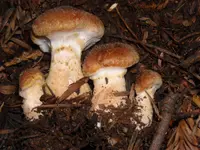
Gasteroid Agaricus (Agaricus deserticola) is a desert-dwelling gasteroid fungus, not a leafy houseplant. It produces rounded, partially underground fruiting bodies that resemble small puffballs rather than typical mushrooms. In nature, it occurs in arid and semi-arid regions of North America, often in sandy or disturbed desert soils. This species is specialized for dry habitats, which makes it challenging to maintain under typical indoor or garden conditions. Anyone wanting to care for Gasteroid Agaricus needs to understand its preference for very well-drained, low-organic, dry soils and minimal surface moisture.

Main Plant Requirements

Care Difficulty

Hard Care

Light Preference

Full Sun

Water Requirements

Low Water

Temperature Preference

Warm Climate

Hardiness Zone

8–11

Soil Texture

Sandy, Rocky, Organic-rich

Soil pH

Neutral (7.0), Slightly alkaline (7.0–7.5)

Soil Drainage

Well-drained

Fertilization

Minimal (feed rarely)

Get Personalized Care Plan

Scan your plant to receive care tips personalized for your specific plant

Available on iOS and Android

How to Care for the Gasteroid Agaricus

This desert-adapted fungus prefers strong light but needs protection from extreme afternoon exposure in hot climates.

  • Provide 6–8 hours of direct sun daily, ideally with full morning sun and light afternoon shade in very hot, low-humidity areas.
  • Site on open, exposed ground or sparse shrubland where it receives unfiltered sky light; partial shade from rocks or small shrubs is acceptable for a few hours.
  • Excessive, intense summer sun without soil moisture can scorch surrounding organic material, while deep shade reduces fruiting of Gasteroid Agaricus and leads to sparse growth.

Watering should imitate rare desert rains followed by dry periods in the upper soil layers.

  • Allow the top 5–8 cm of soil to dry completely before watering; brief, deep soaking events are better than frequent light sprinkling.
  • Use fast-draining, sandy or gravelly soil so water does not pool; persistent wetness or sour, swampy odor indicates harmful overwatering.
  • Reduce or stop watering during cooler dormant periods; shriveling or very brittle tissues suggest extended drought stress in Agaricus deserticola.

This species is adapted to warm, arid climates and handles heat better than cold or prolonged damp coolness.

  • Aim for active growth in 68–86°F (20–30°C), conditions that mimic warm desert seasons with low to moderate soil moisture.
  • Tolerates short spikes up to about 95°F (35°C) if soil is not waterlogged; above this, combined heat and wet soil increase rot risk.
  • Avoid temperatures below 32°F (0°C); repeated frosts and freeze–thaw cycles damage the mycelium, so protect from hard winter freezes where possible.

This desert fungus tolerates very low humidity and rarely needs humidity management in cultivation.

Agaricus deserticola prefers loose, well-aerated, sandy substrates that drain rapidly yet hold some organic matter for nutrition.

  • Use a mix of 60–70% coarse sand or sandy loam with 30–40% well-aged compost or manure-based substrate.
  • Aim for slightly alkaline conditions, around pH 7.5–8.5, by incorporating a small amount of crushed limestone if your base mix is acidic.
  • Ensure the substrate crumbles easily in the hand; break up clods and avoid compacted or sticky textures that restrict gas exchange.
  • Avoid peat-heavy, moisture-retentive, or clay-rich mixes that stay wet and exclude air, as these favor rot and competing fungi.

This species can be grown in shallow containers if they mimic its dry, free-draining native substrate.

  • Choose a wide, shallow tray or tub to provide a broad colonization surface while preventing deep, moisture-holding pockets.
  • Drill extra side holes a few centimeters above the base to allow rapid escape of excess water from both the bottom and lower edges.
  • Use rigid plastic or clay containers that resist warping so the substrate profile stays stable and does not crack or compress as it dries.

Agaricus deserticola usually needs minimal fertilization when grown in a well-prepared, organic-rich substrate.

  • For controlled cultivation, use a light application of well-aged compost or a low-rate balanced NPK fertilizer in the base substrate.
  • Apply nutrients only at the start of the active growth cycle; avoid repeated feeding during one flush.
  • Keep fertilizer strength weak, at roughly 25–50% of standard label rates, to prevent salt buildup around developing mycelium.
  • During cooler, semi-dormant periods, skip feeding entirely, as caring for Gasteroid Agaricus focuses on stable moisture and aeration rather than extra nutrients.

Pruning is not a standard practice for Agaricus deserticola because it is a fungus, not a leafy plant.

Transplanting Agaricus deserticola focuses on moving colonized substrate rather than handling roots like a typical plant.

  • Transplant only when mycelium has fully colonized the substrate and growth slows due to limited space or resources.
  • Best timing is during stable, mild conditions, avoiding temperature extremes that stress the mycelium.
  • Shift colonized blocks or trays gently into a fresh fruiting bed or container, keeping the substrate intact to reduce disturbance.
  • Limit how often substrate is moved; unnecessary handling can dry or break the mycelium and reduce future fruiting.

Propagation of Agaricus deserticola is usually done by spores or, more reliably, by mycelium cultures, which is technically demanding for home growers.

Agaricus deserticola is adapted to arid habitats and typically needs only basic winter management in cultivation.

  • In mild climates, outdoor beds usually cope with cool weather if the substrate drains well and does not stay waterlogged.
  • In colder regions, keep colonized substrate above freezing, around 40–50°F, to avoid mycelium damage.
  • Container setups are best moved into an unheated but frost-free shed or garage with stable, dry air circulation.

Care Tips

Substrate layering

Build a low-organic, sandy top layer (2–3 cm) over a slightly richer, well-pasteurized lower layer to mimic desert soil horizons and reduce contamination while still providing nutrients for the mycelium.


Moisture pulse scheduling

Irrigate in short, infrequent pulses that fully moisten the substrate, then allow it to nearly dry before the next watering to simulate sporadic desert rain events and encourage stronger, more resilient mycelial growth.

Heat and light shielding

Use a double barrier such as a rigid cover plus shade cloth above the tray when fruiting outdoors or in a greenhouse to prevent direct sun and rapid substrate overheating during hot, bright periods.

Controlled ventilation

Provide gentle cross-ventilation using small screened vents or a low-speed fan on a timer to flush out carbon dioxide without over-drying the substrate, especially after pins begin to form.

Harvest timing technique

Harvest mushrooms when caps are firm and before they visibly crack or overexpand, placing a clean hand under the base and twisting gently to remove the entire fruiting body while leaving mycelium and surrounding substrate as undisturbed as possible, which supports consistent results when growing Gasteroid Agaricus.

Common Pests and Diseases

Fungus gnat larvae

This pest lives in and feeds on the fungal tissue, especially in moist cultivation trays or collection boxes. Symptoms include tunneling in young fruiting bodies and reduced vigor of the mycelium mat.

Solution

Reduce excess moisture and improve drainage in the substrate so the surface can dry slightly between waterings, then use yellow sticky traps to monitor and reduce adult populations. For heavier infestations, apply a biological control such as Bacillus thuringiensis var. israelensis (Bti) or beneficial nematodes to the substrate according to label directions.

Mite infestations

These insects are tiny arthropods that feed on mycelium and developing fruiting bodies, leaving pitted, deformed, or stunted mushrooms. Symptoms include slow colonization of substrate and uneven or aborted fruiting.

Solution

Discard heavily infested substrates and start with fresh, clean material, then maintain strict hygiene by keeping tools, containers, and work surfaces clean and free of old fungal debris. In non-edible display cultures, horticultural oil or insecticidal soap can be used around but not directly on developing mushrooms, and physical barriers such as fine mesh can help exclude incoming mites.

Green mold (Trichoderma)

This disease is caused by competitor fungi that colonize the same substrate and outgrow the desired mycelium, forming dense white patches that quickly turn green with spores. Symptoms include stalled or patchy colonization and failure to produce normal fruiting bodies.

Solution

Immediately remove and discard contaminated trays or sections of substrate to prevent spore spread, and clean nearby surfaces with a dilute bleach solution. For future batches, use properly pasteurized or sterilized substrate, reduce handling, and maintain good airflow to avoid overly humid, stagnant conditions that favor competitor molds.

Bacterial blotch

This disease leads to greasy, discolored spots on the surface of fruiting bodies, often yellow to brown and sometimes slimy in texture. Symptoms include soft, water-soaked areas that can cause mushrooms to collapse early.

Solution

Lower surface moisture by avoiding direct overhead misting on developing mushrooms and instead humidify the surrounding air, and improve air movement so caps dry quickly after any wetting. Remove and discard affected fruiting bodies and clean growing containers; if recurring, reduce overall humidity slightly and ensure tools and hands are clean before handling the crop.

Interesting Facts

North American desert specialist

This species is native to arid regions of the southwestern United States and northern Mexico, where it grows in open desert habitats rather than in forests or grasslands typical for many other Agaricus species.

Affinity for rodent burrows

Field observations show that it often fruits near kangaroo rat mounds and other small mammal burrows, where disturbed, nutrient-enriched soil and organic debris create suitable conditions for its development.

Recently described species

Although used locally for some time, it was only formally described and named in the scientific literature in the late 20th century, reflecting how little was historically known about desert fungi in North America.

FAQs about Gasteroid Agaricus

Container culture is possible using a wide, shallow vessel with excellent drainage and a gritty, low-organic substrate that mimics sandy desert soil. Good airflow and careful moisture control are essential for successful growing Gasteroid Agaricus in pots.

Grow Healthy Plants with Botan Care

Keep your plants happy and healthy with plant identification, disease detection, and easy care guidance.

Botan plant care app — identify plants on mobile

Explore More Plants