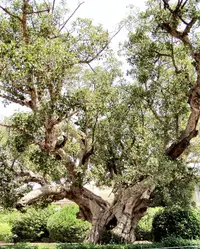
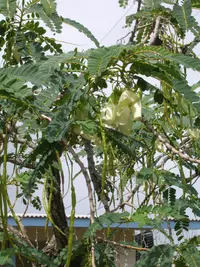
Camel's Thorn Care (Alhagi graecorum)

Camel's Thorn

About Camel's Thorn

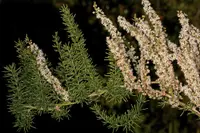
Camel's thorn (Alhagi graecorum) is a small, spiny shrub from arid and semi‑arid regions, especially the Middle East and parts of Central and South Asia. It forms dense, thorny thickets with small leaves and deep roots adapted to very dry, salty, or disturbed soils.

This species often appears in rangelands, roadsides, and dry fields, where it can be persistent and difficult to remove once established. It is drought tolerant and survives intense sun and poor, alkaline soils, but does not suit typical indoor conditions.

Gardeners who want to care for Camel's Thorn should understand that it behaves more like a hardy, drought shrub than a decorative houseplant, and it prefers open, sunny, dry sites with minimal extra watering.

Main Plant Requirements

Care Difficulty

Easy Care

Light Preference

Full Sun

Water Requirements

Low Water

Temperature Preference

Warm Climate

Hardiness Zone

7–10

Soil Texture

Sandy, Loamy, Rocky

Soil pH

Neutral (7.0), Slightly alkaline (7.0–7.5)

Soil Drainage

Well-drained

Fertilization

Minimal (feed rarely)

Get Personalized Care Plan

Scan your plant to receive care tips personalized for your specific plant

Available on iOS and Android

How to Care for the Camel's Thorn

This desert shrub thrives in strong sun and copes well with harsh, bright conditions.

  • Provide 6–10 hours of direct sun daily; it performs best in open, unshaded sites typical for Camel's Thorn.
  • It tolerates light partial shade, but prolonged shade reduces flowering, weakens stems, and produces sparse, leggy growth.
  • In very hot climates, intense late-afternoon sun combined with reflected heat can scorch young plants, so favor full morning sun with only moderate afternoon exposure.

This species is highly drought-tolerant and prefers dry, fast-draining conditions.

  • Allow the soil to dry completely between waterings; in the ground, only water after prolonged drought when leaves start to dull or slightly curl.
  • Use very well-drained, sandy or gravelly soil so excess water runs off quickly and roots are not submerged.
  • In cooler months reduce or stop supplemental watering to avoid root rot; yellowing, soft stems indicate overwatering, while crisp leaf tips suggest extended drought stress.

This desert-adapted plant prefers hot, dry climates and tolerates a wide temperature range once established.

  • Optimal growth occurs around 75–90°F (24–32°C), matching warm, arid seasons with intense sun and low humidity.
  • Mature plants can survive brief drops near 15–20°F (-9 to -6°C), but young Alhagi graecorum may be damaged below 25°F (-4°C).
  • It endures extreme summer heat up to about 105–110°F (41–43°C) if soil is dry and air is moving; prolonged cold, wet conditions reduce vigor and increase rot risk.

This desert shrub tolerates very low humidity and usually does not need special moisture control in homes or dry climates.

  • Best performance occurs in 20–40% relative humidity, similar to arid outdoor conditions.
  • Plants in very humid, stagnant air may show increased fungal spotting on stems and leaves.
  • If grown in an unusually humid area, improve air movement with spacing, a fan, or an open, breezy location to reduce disease risk.

This species prefers very lean, fast-draining, sandy soil that mimics arid, alkaline habitats.

  • Use a mix of 60–70% coarse sand or grit with 30–40% low-organic mineral topsoil to create a sparse, open structure.
  • Ensure rapid drainage; water should pass through within seconds and the top layer should dry fully between waterings.
  • Aim for slightly alkaline to alkaline pH (7.5–8.5), adding crushed limestone or dolomite if the native soil is acidic.
  • Avoid peat-heavy, compacted, or water-retentive mixes, which promote root rot and reduce aeration for Alhagi graecorum roots.

This deep-rooting desert shrub is generally unsuitable for long-term container growing, except for temporary cultivation or research.

  • Choose the deepest, heaviest container possible to accommodate the strong taproot and prevent tipping in wind.
  • Use a very coarse, gritty mix so water drains almost instantly, reducing the risk of root rot in confined roots.
  • Position the pot in full sun with space around it so the woody, spiny branches do not snag walkways or neighboring plants.

This desert legume usually needs little feeding, but light nutrition can support container-grown Camel's Thorn or poor soils.

  • Use a low-strength balanced fertilizer (around 10-10-10) at 1/4–1/2 label rate during the active growing season.
  • Apply once in late spring and, if growth is weak, once more in midsummer; avoid frequent feeding.
  • In containers, a small amount of slow-release fertilizer or well-rotted compost in spring is sufficient.
  • Stop feeding in fall and winter to avoid forcing soft, cold-vulnerable growth.

Pruning Alhagi graecorum is mainly done to control size and remove problem stems.

  • Carry out light pruning in late winter or early spring before strong new growth starts.
  • Remove dead, damaged, crossing, or very crowded branches using clean, sharp bypass pruners or loppers.
  • Shorten overly long shoots to maintain a manageable, compact form and to keep access clear around the plant.
  • Avoid heavy cutting into old wood in one season; instead, reduce size gradually over 2–3 years.

This deep-rooted desert shrub dislikes disturbance, so transplanting should be infrequent and carefully planned.

  • Transplant in late fall or early spring when growth is slow and temperatures are mild.
  • Look for roots circling the pot, frequent wilting, or very slow growth as signs a container plant needs more space.
  • Move into a container only 1–2 in wider or to an open, well-drained site to limit transplant shock.
  • Water thoroughly before and after moving, keep roots shaded, and avoid disturbing the root ball more than necessary.

Propagation of Alhagi graecorum is possible but can be invasive due to its strong root system.

  • Use seed in spring after a brief scarification, such as lightly nicking or soaking seeds to soften the coat.
  • Sow in a gritty, fast-draining mix and keep slightly moist in warm conditions (68–77°F) until germination.
  • Root suckers or small sections of the spreading root system may be lifted and replanted in early spring.
  • Site new plants where long-term spread is acceptable, as controlling established stands can be difficult.

This species is quite cold tolerant in dry climates and usually needs minimal winter care once established.

  • Mature plants in the ground often tolerate moderate frost, especially in well-drained soils.
  • In colder or wetter regions, add a 5–8 cm layer of dry mulch around the base to insulate roots.
  • Container plants are more vulnerable; place them in a sheltered, unheated area that stays mostly above freezing.
  • Reduce watering strongly in winter to prevent root rot in cold, wet substrates.

Care Tips

Root spread control

Install a 30–40 cm deep physical root barrier around planting beds to limit this plant’s creeping root system and make long‑term management easier when growing Camel's Thorn in open ground.

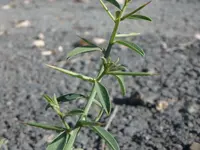
Seed pod management

Collect and remove mature pods before they shatter to reduce volunteer seedlings and keep the planting area easier to maintain over time.

Salt tolerance use

Site the plant in marginal or slightly saline soil areas where other species struggle, using its natural salt tolerance to stabilize poor, erosion‑prone ground.

Low‑input mulching

Apply a thin, coarse mineral mulch such as gravel or decomposed granite instead of organic bark mulch to suppress weeds while avoiding excess moisture retention around the crown.

Structural renewal cuts

Every 3–4 years, remove a few of the oldest, most woody stems at the base to encourage fresh, vigorous shoots and maintain a compact, manageable form.

Common Pests and Diseases

Leaf-mining moths

This pest feeds inside the leaf, creating pale winding tunnels that can cause partial leaf drying and reduced vigor in young shoots.

Solution

Prune and destroy mined leaves as soon as they are noticed, then encourage natural predators by avoiding broad-spectrum insecticides and, if needed, use targeted applications of Bacillus thuringiensis (Bt) on young larvae during active growth.

Pod-boring beetles

These insects attack developing seed pods, boring into them and feeding on seeds, which reduces seed production and can deform pods.

Solution

Collect and destroy infested pods before beetles complete their life cycle, and if the plant is grown for seed, use fine mesh barriers during flowering and early pod development to limit adult beetle access.

Rust

This disease produces orange to brown pustules on leaves and stems, sometimes causing premature leaf drop on stressed plants.

Solution

Remove and dispose of infected leaves and stems, avoid overhead watering, and if the plant repeatedly shows rust in cultivation, apply a sulfur or copper-based fungicide following label directions during the early stages of infection as part of Alhagi graecorum plant care.

Stem canker

This disease causes sunken, dark lesions on stems that can girdle young shoots and lead to dieback in stressed or mechanically damaged plants.

Solution

Cut out affected stem sections well below visible lesions with sterile tools, improve plant vigor with appropriate light and low to moderate watering, and avoid wounding stems to reduce future infection sites.

Interesting Facts

Deep desert roots

This species develops an unusually deep and wide root system in sandy and saline soils, allowing it to tap moisture and tolerate long dry periods in arid and semi-arid regions from North Africa to western Asia.

Salt-tolerant legume

It is a true legume that both fixes atmospheric nitrogen through root nodules and tolerates high soil salinity, so it often colonizes disturbed, salty habitats such as saline flats, coastal areas, and irrigated deserts.

Spiny shrub architecture

The plant forms a low, spiny shrub with rigid, thorn-tipped branches that reduce grazing and help shade the soil surface, which can slightly lower soil temperature and evaporation around its base.

Botan icon

Did you know?

This species produces a sweet exudate on stems and leaves that can crystallize into small sugary flakes, historically collected in some regions as a minor local sweet substance sometimes compared to manna in older texts.

FAQs about Camel's Thorn

This species spreads strongly through deep, creeping roots and abundant seed, especially in disturbed or irrigated sites. It can form dense thickets, so plan placement carefully and use root barriers or regular mechanical control where spread is unwanted.

Grow Healthy Plants with Botan Care

Keep your plants happy and healthy with plant identification, disease detection, and easy care guidance.

Botan plant care app — identify plants on mobile

Explore More Plants